Best Cameras for Vlogging and Pictures in 2026: Types Compared and How to Choose
Disclosure: We may earn a commission when you buy through links on this page, at no extra cost to you. As an Amazon Associate I earn from qualifying purchases. Learn more

Compare the best cameras for vlogging and pictures by type, ideal users and price range, with a clear checklist for choosing well.
Choosing one camera for video and stills can feel confusing, because a model that shines for photos may frustrate you on video, and a video focused model may give you plain stills. The best cameras for vlogging and pictures balance both jobs in one body, so you can record yourself and capture sharp photos on the same day. Use the comparison table below to match each type to your routine.
This guide compares camera types rather than naming models, showing who each type suits and which features change daily use. Start with how you shoot most often, then judge every feature in that light.







Who Should Choose a Camera for Both Vlogging and Pictures?
A dual purpose camera suits you if you publish video and still want photos you are proud to print or share. If you only do one of those jobs, a narrower tool may cost less and feel simpler.
Daily Vloggers Who Also Shoot Family Photos
You record yourself at home or at a desk, then take portraits and event photos on the weekend. You need a screen that turns to face you, autofocus that holds your eyes, and stills that stay sharp indoors. If video leads your work, see our guide to the best cameras for vlogging, then weigh the still quality points here.
Travel Creators Who Need One Light Kit
You shoot place tours, food clips and street photos while you walk all day, so every ounce matters. A compact body or a small mirrorless body with one zoom lens keeps your bag light. Weather sealing and a spare battery matter more than a second lens on long, wet days.
New Buyers Moving Beyond a Phone
You want better low light photos and cleaner video than your phone gives you, but you still want auto modes that work while you learn. Look for guided menus, a touch screen and quick transfer to your phone. If this is your first dedicated camera, see our guide to the best vlogging cameras for beginners.
Camera Types Compared for Vlogging and Pictures
Lists of the best cameras for vlogging and pictures often mix three very different types, and the right pick depends on how much gear you will carry and how much control you want.
Mirrorless Bodies When You Want Room to Grow
Mirrorless cameras use larger sensors and let you change lenses, so they give the strongest still quality and the most control over background blur. The trade off is size, weight and cost, because each added lens raises both. Choose this type if you plan to grow your skills over time.
Compact Cameras With a Fixed Zoom Lens
Compact cameras keep one zoom lens fixed to a small body, so the whole camera slips into a jacket pocket. Many use a one inch sensor that beats a phone in low light while staying easy to carry. You give up lens changes and some background blur, but you gain simple menus and fast setup. If stills lead your trips, see our guide to the best cameras for pictures.
Action Cameras and Pocket Gimbal Cameras
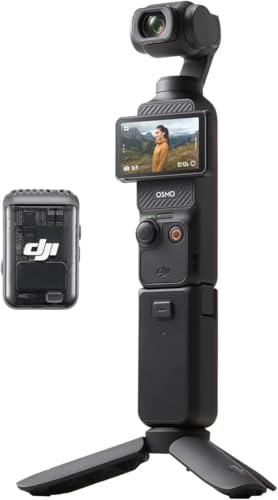
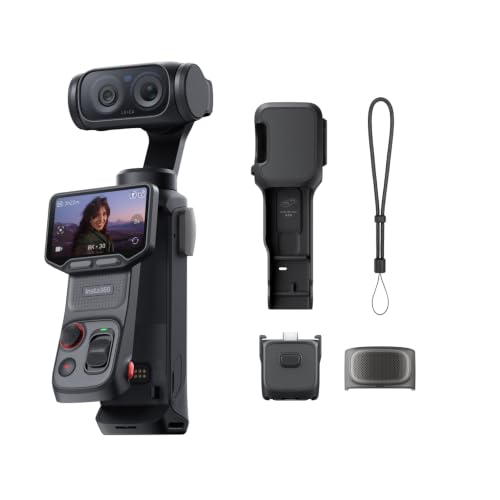
Action cameras and pocket gimbal cameras are tiny, rugged and built to steady moving footage on bikes, boats and walks. Their very wide view suits action and travel scenes, and most shrug off splashes that would stop a larger camera. Their small sensors limit still quality and background blur, so photos look plainer than those from the other types. Choose one as your only camera only if size and toughness outrank photo quality.
Key Features to Compare
Judge each camera on the same short list, so a low price cannot hide a weak screen or poor sound.
Sensor Size for Stills and Clips Alike
Sensor size shapes both your photos and your video. A one inch sensor suits travel compacts, an APS C sensor balances size and quality in most mirrorless bodies, and a full frame sensor gathers the most light for clean indoor shots and soft background blur. More megapixels alone do not promise sharper results, because lens quality and light matter just as much. Pick the smallest sensor that meets your low light needs, since larger sensors bring pricier lenses.
Focus That Holds While You Move
Good autofocus locks onto eyes and holds focus while you move, which keeps self recorded clips and portraits sharp without constant checking. Image stabilization steadies hand held walking footage and helps with slower shutter speeds for stills, whether it sits in the body, in the lens or in both. Note that stabilization cannot freeze a moving subject, so fast action stills still need a fast shutter speed.
Video Quality, Screen and Audio
4K video gives crisp detail and room to crop a clip later without it looking soft, while 60 frames per second suits sports and smooth slow motion. A screen that turns fully to face you lets you frame yourself and check focus while you talk. Sound deserves equal care, because built in microphones pick up room echo and wind noise. A microphone input lets you add an external microphone, which lifts speech clarity more than any video setting can.
Lens Choice for Arm Length Framing
Optical zoom changes your view with glass, so detail holds up, while digital zoom only crops the image and throws detail away. A common kit zoom of about 24 to 70 mm covers wide room shots, group photos and natural portraits. The wide end matters for vlogging, because you hold the camera at arm length and need your face and some background in frame. A lower f number means a brighter lens that gathers more light and blurs backgrounds more.
Size, Weight, Battery and Weather Sealing
The camera you carry is the camera you use, so weight and bulk decide how often it leaves home. Video drains batteries far faster than stills, so plan on a spare battery for a full day out. 4K clips also need fast, roomy memory cards, and WiFi transfer speeds up posting. Weather sealing helps in light rain and dust, and a weatherproof build suits travel, but sealing never makes a camera safe to dunk underwater.
Common Mistakes to Avoid
These errors are easy to make and hard to forgive in daily use.
- Buying on megapixels alone leaves you with noisy indoor photos and video despite the large number on the box.
- Choosing a camera with no microphone input leaves your vlogs with thin, echoing sound that viewers notice at once.
- Picking a heavy body and fast lenses for travel leaves the whole kit at home on the days you walk farthest.
- Ignoring screen direction means you cannot check framing while you record yourself, so small errors ruin whole takes.
- Using digital zoom instead of optical zoom throws away detail, so stills and clips look soft when viewed large.
Lens Care for Cameras That Travel Daily
Clean the front lens element with a soft lens cloth, never your shirt, because grit in fabric can scratch the coating. Use a hand blower to lift dust first, and keep lens caps on in a bag. Store the camera in a dry, padded bag away from steamy rooms, since trapped moisture can fog the lens and harm electronics.
Rotate two batteries so both stay in regular use, and charge them before they sit empty for months. Back up your cards, then format them in the camera so the folder setup stays correct. Update the camera software from the maker site when a new version appears, and check strap lugs for looseness before any trip where a drop would end the shoot.
Frequently Asked Questions
What features matter most in a camera used for both vlogging and pictures?
The trio of a turning screen, eye based autofocus and a microphone input matters most for dual use. Together they let you frame yourself, stay in focus and sound clear, while the sensor and lens handle photo quality. One point buyers miss is recording time, because some bodies stop a long clip when they grow warm. If you record talks, check the stated clip length first.
How much should I spend on a first camera for vlogging and pictures?
Most first time buyers do well at about $500 to $900 for a compact camera or an entry level mirrorless kit. Below that range, screens, autofocus and low light results drop fast, and above it you mostly pay for larger sensors and pro controls. Keep part of your budget aside for a fast memory card, a small microphone and a padded bag.
Is a smartphone enough instead of a dedicated camera for vlogging and pictures?
A smartphone is enough for casual clips and snapshots in good light, and it wins on sharing speed. It falls short on true optical zoom, indoor detail and clean speech audio, and calls can interrupt a recording. If those limits bother you, see our guide to the best digital cameras to judge what a dedicated body adds.
Which camera type is better for low light vlogging and pictures?
A mirrorless camera with an APS C or full frame sensor and a bright lens is better for low light work. The larger sensor gathers more light, so faces stay clean at higher sensitivity settings where small sensors turn grainy. At home, one simple light panel aimed at your face often improves a vlog more than a costlier body.
What specs matter most for beginners choosing a camera for vlogging and pictures?
Beginners should rank easy auto modes, a touch screen and light weight above raw spec numbers. A camera that feels good in your hands, with buttons you can reach while you look at the screen, gets used far more than a heavier body. If you can, hold a few bodies in a store and test the grip before you order.
The Bottom Line
Match the type to your routine first, then check the sensor and lens for image quality, and the screen, autofocus and audio for easy video. Size matters as much as specs, because a camera left at home takes no pictures at all. Use the product table above to compare types and prices.
When you compare best cameras for vlogging and pictures with those points in mind, the right choice is usually clear. Pick the simplest camera that covers both of your jobs well.