Best Cameras for Vlogging and Photography: Hybrid Styles Compared for 2026
Disclosure: We may earn a commission when you buy through links on this page, at no extra cost to you. As an Amazon Associate I earn from qualifying purchases. Learn more

Hybrid shooters can compare compact, mirrorless and pocket gimbal styles for the best cameras for vlogging and photography, plus kit costs and key features.
Hybrid shooting is the hardest job to buy for. A camera that records smooth, well framed video often has modest controls for photos, and a camera with a great viewfinder and fast dials can be awkward to hold at arm length for a vlog. The best cameras for vlogging and photography manage both jobs without a big compromise, so start by deciding which job pays your bills and which one is the bonus. The comparison table above lines up current options to check against that decision.
This guide compares the camera styles that handle both video and stills, then walks through the features that change real results, what a complete kit costs and the mistakes that send buyers back to the store.






Best Cameras for Vlogging and Photography by Style
Three styles cover almost every hybrid buyer. Each one leans toward video or toward stills, and knowing the lean saves you from paying for the wrong strength.
Compact Cameras With a One Inch Sensor
These pocket sized cameras pair a one inch sensor with a bright zoom lens, a screen that flips to face you and a microphone input on many models. They start quickly, hide in a coat pocket and give stills that clearly beat a phone in dim rooms. The lens is fixed, so you cannot change the look, and background blur is modest. Expect about $450 to $1,200. Choose this style if you film daily and want decent photos from the same small camera.
Entry Mirrorless Cameras for Growing Skills
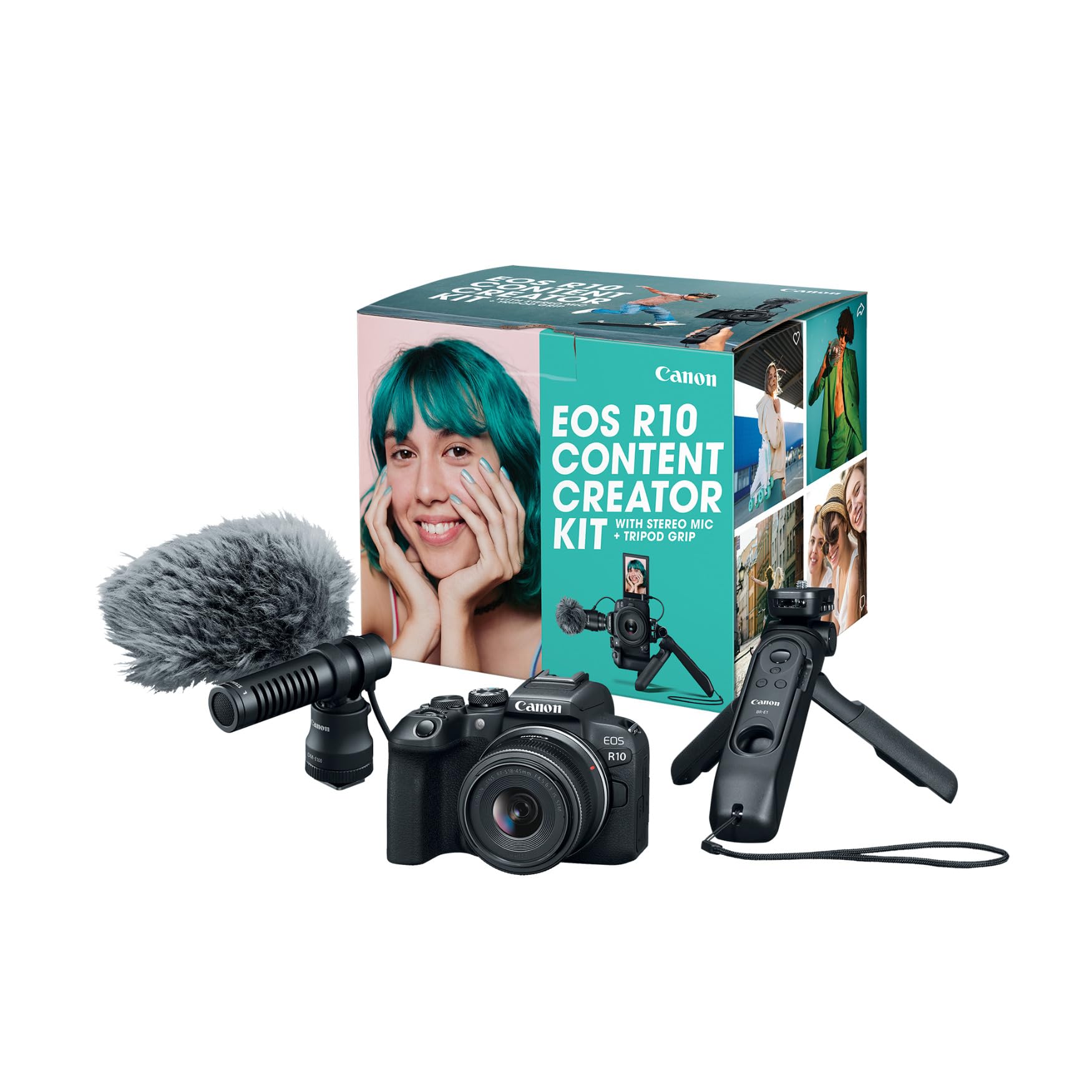
A mirrorless body with an APS C sensor and a kit lens gives the best image quality for the money. You get strong subject tracking, softer backgrounds and the option to add a bright prime lens or a longer zoom later. The price is size and complexity, since a body with a lens often costs $700 to $1,500 and the bag grows with every lens. Choose this style if photography matters as much as video, or if you want one system to last for years. For a wider look at stills first cameras, see our guide to the best cameras for photography.
Pocket Gimbal and Action Style Cameras
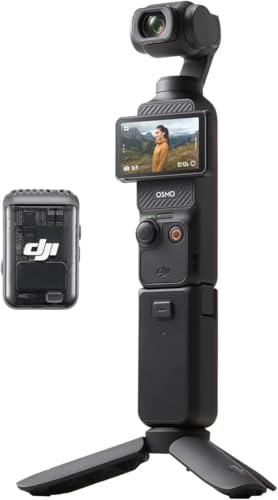
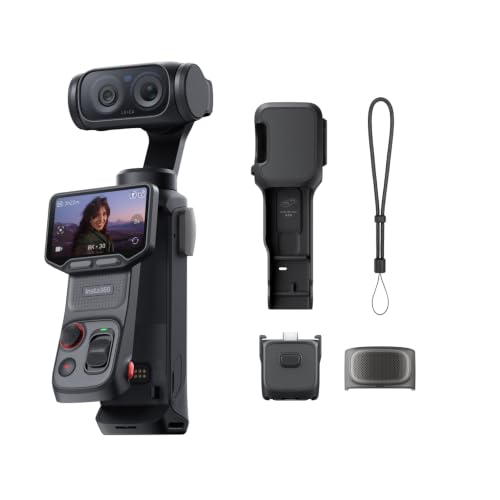
Tiny cameras with built in stabilization make walking video look smooth with almost no effort. Their small sensors and fixed lenses limit stills, and they struggle when the light drops. They suit creators who film on the move and take occasional snapshots, and they work well as a second camera beside a larger one.
Features That Change Your Results
When you compare the best cameras for vlogging and photography, judge each against the same short list, so a low price cannot hide a weak screen or a thin sound.
Sensor Size and Light
The sensor gathers the light that becomes both your photos and your clips. A larger sensor keeps skin tones clean in a dim kitchen and gives more background blur, while a small sensor looks fine in daylight and grainy at night. Megapixel counts matter far less than sensor area, because a 20 megapixel file on a larger sensor usually looks cleaner than a 40 megapixel file on a small one.
Autofocus for Faces and Moving Subjects
Face and eye detection keep you sharp while you talk and walk, and the same system helps with children and pets in photos. Look for tracking that holds a subject without pulsing, since pulsing focus is the flaw viewers notice first in video. A touch screen that lets you tap a product or a face to refocus is a small feature that saves many retakes.
Screen, Viewfinder and Grip
A fully articulating screen helps vloggers frame themselves, while an electronic viewfinder helps photographers shoot in bright sun when a screen washes out. Many bodies offer only one, so decide which matters more. Try the grip with the lens you plan to use, because a camera you can hold comfortably for an hour will be used far more often.
Sound and Stabilization
Built in microphones pick up wind and room echo, so a microphone input is worth real money if you talk to the camera. Stabilization comes from the lens, the body or software. Lens and body systems help both stills and clips, while software stabilization crops the frame slightly, which matters for wide shots at arm length.
Battery, Cards and Heat
Video drains a battery much faster than photos, so plan on a spare. Fast memory cards matter for 4K clips and burst photos, and some small bodies run warm and stop recording on hot days. Check the maker's recording time notes if you film long talking segments.
What a Complete Hybrid Kit Costs
The body is only part of the price. A compact camera kit with a fast card, a small tripod grip and a spare battery often lands around $550 to $1,350. A mirrorless kit with a kit lens, a microphone, a bag and cards usually runs $900 to $2,000, and a bright prime lens adds $150 to $500 later. Spend on sound and light before a second lens, because viewers forgive soft photos sooner than echoing audio. For a first system, our guide to the best beginning photography cameras shows how to keep the total sensible.
Matching the Camera to Your Routine
Travel Creators
You film hotel rooms, streets and food, then take photos in the evening. Weight and speed matter most, so a one inch compact or a small mirrorless body with one zoom lens suits you. See our guide to the best cameras for travel vlogging and photography for packing advice.
Family Documentarians
You record birthdays and weekends and want clear photos of the same moments. Fast autofocus on faces and a simple auto mode matter more than manual controls, and a camera that starts instantly will catch more moments.
Aspiring Photographers Who Also Post Video
Stills lead and video follows, so a mirrorless body with a good viewfinder and dials fits. Accept a slightly heavier vlogging rig, and add a lightweight microphone. If you are just starting, see our guide to the best cameras for starter photography.
Common Mistakes to Avoid
- Buying on megapixels alone and ending up with noisy indoor photos and clips.
- Choosing a camera with no microphone input, so every vlog carries thin, echoing sound.
- Picking a heavy body and bright lens for travel, then leaving the kit at the hotel.
- Ignoring screen direction, which makes framing yourself a guessing game.
- Relying on digital zoom instead of real optical zoom, which softens both photos and video.
Care Tips for a Camera You Use Daily
Clean the lens with a soft lens cloth, never your shirt, since grit in fabric scratches coatings. Rotate two batteries so both stay in use, store the camera in a dry padded bag and format cards in the camera after you copy files. Update the camera software when the maker releases a fix, because autofocus and heat handling often improve that way.
Questions Answered
What features matter most in cameras for vlogging and photography?
A turning screen, steady face autofocus and a microphone input matter most for video, while sensor size and lens quality decide photo results. Buy for the job that earns your money, then confirm the other job is acceptable.
Is a smartphone enough instead of a dedicated hybrid camera?
A smartphone is enough for casual clips and snapshots in good light. A dedicated camera adds optical zoom, cleaner indoor detail, a microphone input and files kept apart from calls and alerts, which helps once you publish weekly.
How much should I spend on my first hybrid camera?
Most first buyers do well at about $500 to $1,000 for the body, with a further $100 to $250 for a card, a spare battery and a small microphone.
Which camera type is better for low light?
A mirrorless camera with an APS C sensor and a bright lens is better in low light than a small sensor compact. A soft lamp near your face helps any camera more than a spec upgrade.
What specs matter most for beginners?
Easy auto modes, a touch screen and a body light enough to carry daily matter more than raw numbers. Hold a few models before you decide if you can.
The Bottom Line
Decide which job leads, pick the style that leans that way and confirm the screen, autofocus and sound before you order. Use the product table above to compare current options, and the best cameras for vlogging and photography will be the ones you carry every day.