Best Cameras for Urban Photography in 2026: Which One Fits the Way You Use It?
Disclosure: We may earn a commission when you buy through links on this page, at no extra cost to you. As an Amazon Associate I earn from qualifying purchases. Learn more

See which cameras for urban photography suit students, commuters, night shooters, and creators, with the features to prioritize and the extras to skip.
There is no single camera that suits every city routine, and that is good news, because it means your own streets can decide the shortlist. A camera for the city gets carried through crowds, pulled out fast, and used in light that swings from noon glare to a dim platform in one trip. When photographers compare the best cameras for urban photography, the honest differences are size, speed, and how the camera behaves after dark. The comparison table below groups the main classes by the way people actually shoot in a city.
Start with the carry, because the carry decides whether the camera comes at all. Pocket classes disappear into a jacket and suit spontaneous shooters. Strap classes hang ready at your side and suit walkers who shoot all day. Bag classes carry a body with spare lenses and suit planned routes with specific subjects.





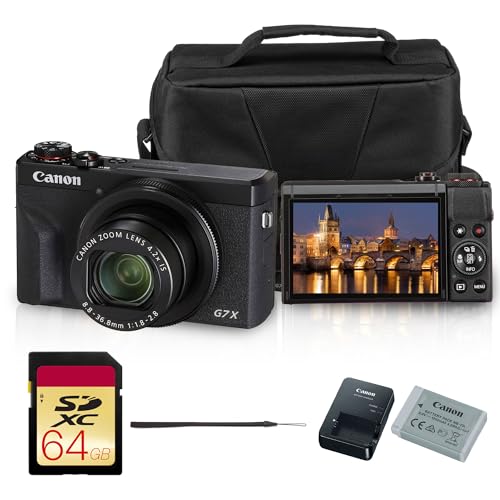
The sections below match each carry to the people, features, and budgets it serves, so you can choose by your routine rather than by a spec sheet.
Who Should Buy Which Cameras?
For Students and Everyday Users
Students and everyday users need a camera that is cheap to own, hard to break, and ready in seconds. An entry compact or a simple mirrorless class with one versatile zoom covers school projects, family city days, and social photos without a bag full of gear. Prioritize a good automatic mode, a screen you can read in sunlight, and running costs that stay low, because a cracked screen or a lost charger hurts a student budget more than a slightly smaller sensor does. Our guide to the best cameras for starter photography shows the classes most first kits are built from.
For Travelers and Commuters
Travelers and commuters live with the condition that defines this whole guide: everything is carried, every day, often in a crowd. Weight and bulk decide first, so compact classes and small mirrorless bodies with one short zoom earn their place. Weather sealing matters more here than in studio work, because platforms and pavements offer no shelter when rain starts.
Battery life should cover a full day out, and USB charging helps, because a commuter can top up from the same power bank that feeds a phone. Bump resistance and a wrist strap are worth more than a second lens.
For Night Shooters and Architecture Fans
Night shooters and architecture fans ask the most of a sensor. Straight lines, brick texture, and lit windows punish weak lenses and noisy files, so this group should favor larger sensor classes and bright lenses that keep shutter speeds honest after dark. A tilting screen helps for low angles on tall facades, and a tripod thread matters, because the best city light often arrives when a steady camera wins. This is the one group where spending more shows clearly in the files, provided the resulting kit still gets carried.
For Creators Who Film the City
Creators who film the city need a camera that treats video as a first class job. Look for clean 4K recording, a microphone input, and a screen that flips toward the lens for pieces to camera on location. Stabilization matters more here than for stills shooters, because walking shots are the grammar of city video.
Heat is the quiet limit: some compact classes stop recording on warm days, so creators who film long segments should check recording limits in the class description before buying. Sound gear will outgrow the camera budget quickly, so plan for it.
Key Features to Compare
Every camera in this guide belongs to one broad family, and it helps to name it. These are the best digital cameras adapted to city life, judged on how they carry, focus, and cope with mixed light rather than on studio manners.
Ease of Use for Your Skill Level
A city camera must be ready before the moment passes. Beginners should favor classes with a strong automatic mode, clear menus, and fast transfer to a phone for sharing. The roundup of the best beginning photography cameras collects classes built around that learning curve.
As skill grows, direct dials for aperture and shutter speed stop being decoration and start saving shots, because street light changes faster than menu dives allow. Match the controls to the photographer you are now, with one step of headroom, not three.
Sensor Size and Image Quality
Sensor size is the quiet spec behind most city image quality. Small sensors in pocket classes are fine at noon and struggle at dusk, when the camera raises sensitivity and fine detail in brick and foliage smears. The middle classes use larger sensors that hold cleaner files at night and give shallower depth of field for portraits against city blur.
The largest classes buy the cleanest night files and the most cropping room, at the cost of size and price. Megapixels matter less than sensor size at every level, because city light, not pixel count, is the usual limit.
Battery Life and Charging
Makers rate battery life in shots per charge under test conditions, and city days rarely match the test. Screens, cold mornings, and reviewing on the move all shorten the real figure. Treat the rating as a comparison between classes, not a promise for your Saturday.
USB charging is worth real money to urban shooters, because cafes, trains, and power banks become charging points. If your routine runs long, budget for a spare battery from the start, and remember that a camera with a dead battery is heavier than any camera that works.
Features That Matter for Urban Photography
Urban work rewards a specific bundle: fast and quiet autofocus for fleeting scenes, a lens range that covers wide streets and tighter details, and sealing against dust and drizzle. A silent shutter mode changes how a scene feels, because people relax when no click announces the camera. Readers weighing the wider field can start from the best cameras for photography and narrow by the city factors here. Film remains a deliberate side path, and the best film photography cameras suit shooters who want slowness itself as a discipline.
Size, Weight, and Ergonomics
Size decides use more honestly than any spec. A pocket class gets carried on days when no photo was planned, which is when cities offer their best scenes. A strap class adds controls and lenses at the cost of a visible camera that asks for care in crowds. Grip shape matters over a long walk: a small body with a poor grip tires the hand and invites drops.
Try the carry you intend, with the lens you intend, for the length of a real outing, because an hour in a shop hides what a day reveals.
What City Shooters Actually Spend
City camera budgets sort into three rough bands. Under about $300 buys a pocket compact or a phone class rival that handles daylight streets well and asks little of the owner. From about $300 to $800 sits the working heart of this guide, where small mirrorless classes with one good zoom cover commuting, travel, and most night streets. Above about $800 to $1,500 and beyond, the money buys larger sensors, brighter lenses, and weather sealing rather than a different kind of photography.
Whichever band fits, hold back part of the money for the kit around the camera. A fast card, a spare battery, and a strap or small bag you will actually carry decide more real outings than a small step up in sensor class. Lenses bought later should follow the subjects you kept missing, not a list written before your first month of shooting.
Common Mistakes to Avoid When Buying Cameras
Most city camera regrets trace back to a handful of buying habits.
- Judging by megapixels alone: in city light, sensor size and lens brightness decide the files you keep, not the pixel headline.
- Buying a kit too heavy to carry daily: a camera that stays home on weekdays loses to a smaller class every single week.
- Ignoring the night test: streets after dark expose weak sensors and slow lenses that daylight demos hide completely.
- Spending the whole budget on the body: cards, a spare battery, and a strap or small bag are part of the real purchase.
- Skipping the warranty and return terms: city gear gets knocked, so check coverage before the first crowded trip, not after.
How to Make Your Camera Last Longer
City use is hard on cameras, so habits matter. Wipe the lens with a lens cloth rather than your shirt, because grit on fabric scratches coatings. Carry a spare battery and rotate the pair, which spreads wear and saves the day a battery fades early.
Store the camera in a dry, padded bag, off the floor and away from radiators, and let a rain soaked camera dry slowly at room temperature before charging. Clean dust from the sensor area only with a blower, never with a cloth or a breath.
FAQs: Your Questions Answered
What features matter most in cameras for urban photography?
Fast autofocus, a lens range that suits your streets, and a body small enough to carry daily matter most. One feature buyers overlook is startup time: some classes wake instantly and others take seconds, and street scenes rarely wait. If your subjects are people and movement, treat wake speed and focus speed as headline specs. If your subjects are buildings, they matter far less, and lens quality should take the budget instead.
Is a smartphone enough for urban photography?
For daylight scenes and sharing online, a good smartphone is genuinely enough, and it is the camera most city shooters already carry. Its limits appear at night, at long distances, and when you want large prints, where small sensors and fixed lenses run out of room. A practical path is to shoot with the phone for a season, note the shots it failed, and buy the class that fixes those failures rather than a camera bought on hope.
How much should I spend on my first urban photography camera?
A sensible first budget runs from about $300 to $700 for a compact or entry mirrorless class with one lens, which covers most city routines well. Keep roughly a fifth of the budget outside the camera itself for a card, a spare battery, and a strap or small bag. Spending beyond that band buys night performance and lens choice, which only pay off once you know which subjects you chase. Buy for the routine you have, not the one you imagine.
What specs matter most for beginners in urban photography?
Beginners should read three specs: sensor size, the lens range in everyday terms, and shots per charge. Ignore long lists of video modes and scene presets until the basics feel automatic. One beginner specific check is the weight with the lens fitted, because makers often quote the body alone, and a kit that feels fine in the hand for a minute can tire the neck within an hour. Comfort on your own routes is a spec, even if it never appears on the box.
What lens range works well for urban photography?
A moderate wide to short telephoto range covers most city work, from facades across a plaza to details above a doorway. Wide views suit architecture and interiors, while the short telephoto end isolates signs, faces, and patterns without crossing the street. Prime lenses trade that flexibility for brightness and size, which night shooters value. One point to weigh is distortion: very wide lenses bend straight lines near the edges, and architecture fans notice it in every frame.
Wrapping Up
Choose by carry first, by night performance second, and by lens range third, and most city routines point at one clear class. Students and commuters should protect the budget and the weight. Night shooters should protect the sensor and the lens.
Creators should protect sound and recording limits. Chosen that way, the best cameras for urban photography stop being a ranking and become a fit, and the product table above shows how the classes line up on the specs that decide it.