Best Cameras for Teenage Photographers 2026: What Your Money Really Gets You
Disclosure: We may earn a commission when you buy through links on this page, at no extra cost to you. As an Amazon Associate I earn from qualifying purchases. Learn more

Compare the best cameras for teenage photographers by budget, sensor, video and ease of use, with costs for lenses, cards and bags explained simply.
Camera prices stretch from under $200 for a simple compact to well over $1,000. The best cameras for teenage photographers balance easy controls, strong image quality, and a size a teen will actually carry. This guide shows where extra money helps and where it adds little, so you can use the comparison table below with a clear budget in mind.
Start with how the camera will be used most weeks, not with the longest feature list. A teen who films friends needs different strengths than one who shoots sports or studies photography in class.





Who Should Buy Which Type of Camera for a Teenager
Teens Trying Photography for the First Time
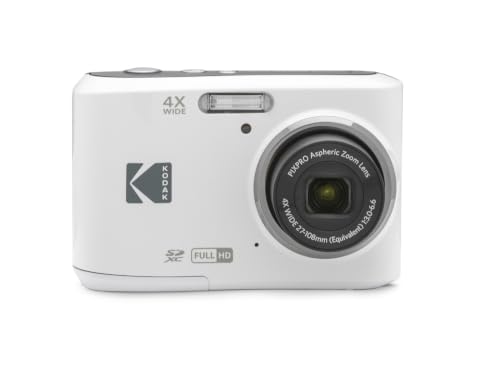
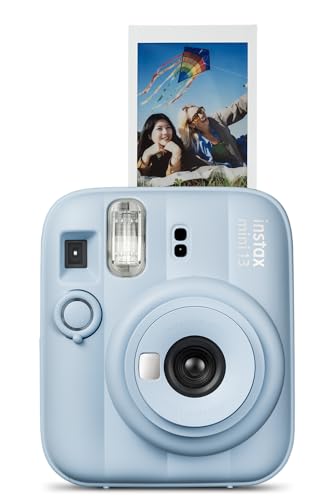
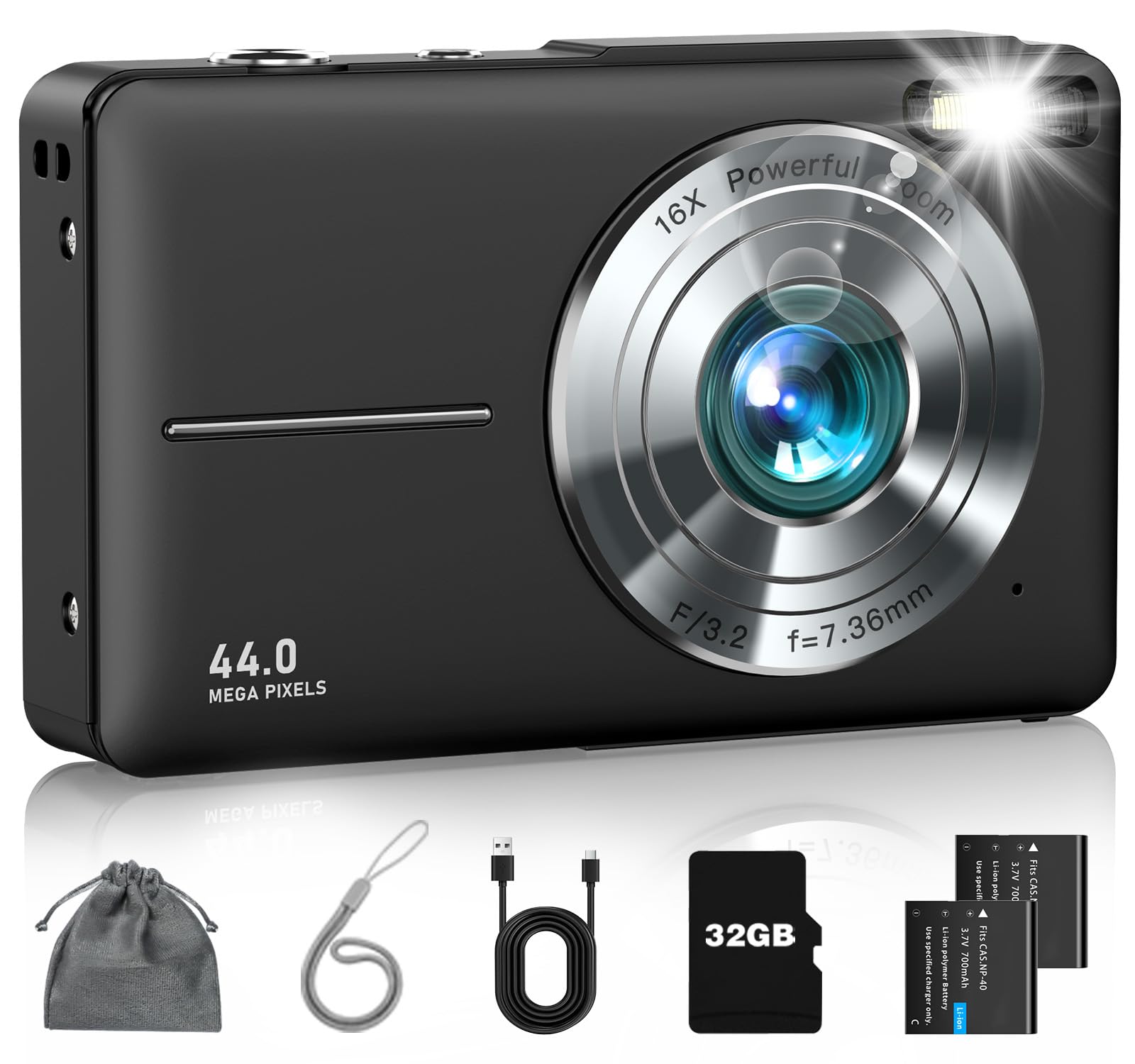
A compact camera with a fixed lens suits a teen who is curious but not yet committed. There is nothing extra to buy or carry, automatic modes handle most scenes, and optical zoom reaches subjects across a field or stage. For simple options, see our guide to the best digital cameras for everyday shooting.
Teens Learning Photography in Class or a Club
A mirrorless camera with manual controls suits a teen who wants to learn exposure, focus, and composition on purpose. Dials for aperture and shutter speed make cause and effect visible, and an interchangeable lens system lets skills grow without replacing the body. These cameras cost more and need more care in a school bag, so they fit a teen who already shoots often.
Teens Who Mostly Shoot Video and Post Online
A camera with strong video tools suits a teen who films skits, music, sports clips, or short documentaries. A screen that flips forward helps with framing while alone, a microphone input improves sound far more than most picture upgrades, and quick sharing to a phone keeps posting simple. Parents should agree on privacy and posting rules early.
Key Features to Compare
Sensor Size and Image Quality for Teenage Photographers
The sensor records light, and a larger sensor generally gathers more detail and handles dim rooms and evening games better. A 1 inch sensor in a compact already beats a phone in low light, while APS C sensors in mirrorless cameras give cleaner files and softer backgrounds for portraits. Megapixel counts matter less than sensor size past about 20 megapixels. Choose the larger sensor for indoor shooting.
Autofocus, Controls, and Learning Curve
Fast and simple autofocus keeps a teen from missing candid moments with friends, pets, and younger siblings. Look for face and eye detection that works in photos and video. A touch screen and a good automatic mode help in the first months, while two control dials and a manual mode reward a teen who wants to learn. Match the controls to current patience, not hoped for patience.
Video Tools, Screens, and Sound
Many teens judge a camera by its video first. 4K video gives crisp clips and room to crop later, but steady 1080p with good sound often looks better than shaky 4K with poor audio. A flip screen helps with solo filming and group shots, and a microphone input lets a simple external microphone lift sound quality a lot. Image stabilization also matters, since it smooths walking shots and handheld clips at games.
Battery Life and Charging on School Days
Battery ratings are given in shots per charge, and compact cameras often manage about 250 to 350 shots while mirrorless bodies vary widely. Video drains a battery far faster than photos, so a filming teen may need a spare on a trip day. Charging through USB C is a real advantage, since the camera can top up from the same power bank used for a phone.
Size, Weight, and Build for Daily Carrying
A camera only teaches photography if it gets carried, and weight decides that more than specs do. Compacts slip into a jacket pocket, small mirrorless cameras fit a school bag side pocket, and larger bodies with big lenses often stay home. Weather sealing helps on rainy hikes, but a padded case and a wrist strap prevent more damage than any body feature.
Lenses, Zoom, and Room to Grow
Fixed lens compacts cover everyday scenes with a built in zoom, and that simplicity is their strength. Interchangeable lens cameras start with a general purpose kit lens and can add a bright portrait lens or a longer sports lens later, which spreads cost over birthdays and holidays. That growth path is the main reason the best cameras for teenage photographers lists so often favor mirrorless systems for serious learners.
What Each Budget Step Adds for a Teen Shooter
Price tiers change sensor size, controls, and video tools in predictable steps, so spend to the step that matches the teen.
Entry Tier Around $200 to $400 for Casual Shooting
Cameras at around $200 to $400 are mostly compacts with 1 inch or smaller sensors, simple menus, and good automatic modes. They beat a phone on zoom and handling, travel easily, and keep the risk low if interest changes. This tier fits a younger teen or a first trip camera. See our guide to the best cameras for starting photographers for basic control layouts.
Growth Tier Around $500 to $800 for Serious Learners
Spending about $500 to $800 usually brings an APS C mirrorless body with a kit lens, real manual controls, and much better low light quality. Video improves too, often with 4K recording and a microphone input. This is where a photography class student gains tools that stay useful for years. The trade off is size and the start of lens spending.
Advanced Tier Around $900 and Up for Committed Teens
At around $900 and above, the gains become narrower. You pay for faster autofocus that tracks sports and animals, stronger weather sealing, better screens, and in some cases a full frame sensor with excellent low light results. These cameras reward a teen who shoots weekly or enters contests.
Running Costs After the First Purchase
The body price is only part of the total. Budget for a memory card or two, a padded bag, a spare battery, and a basic cleaning kit from day one. Mirrorless owners should expect later lens costs, and a single portrait or sports lens can cost about $150 to $400. A total budget that includes these items prevents a camera sitting at home waiting for parts.
Common Mistakes to Avoid
- Buying the largest sensor you can afford, so the camera stays home because it feels too big to carry.
- Chasing megapixel counts, so you pay for detail your prints will never show.
- Skipping the memory card and case, so the new camera rides loose in a school bag.
- Choosing a complex body for a casual teen, so confusing menus push the camera into a drawer.
- Ignoring sound quality for video, so clips look sharp but voices are hard to understand.
- Letting a teen post every clip at once, so rushed sharing creates problems later.
Care and Maintenance for a Teenager Camera
Keep the camera in a padded case inside the school bag rather than loose among books, and use a wrist or neck strap whenever it is out. Clean the lens with a soft microfiber cloth and a blower, never a shirt sleeve, since grit on fabric can scratch the coating. Store the camera in a dry place at home, and bring a cold camera indoors inside its closed bag so moisture forms on the bag instead of the lens.
FAQ
What features matter most in cameras for teenage photographers?
Easy autofocus, a sensor large enough for indoor light, and simple sharing to a phone matter most for teenage photographers. Those three decide whether shots come out sharp, whether evening events look clean, and whether photos actually get used. One fresh point is the print test. If the teen prints at 8 by 10 inches for class, almost any current camera has enough resolution, so spend on autofocus instead of extra megapixels.
How much should you spend on a first camera for a teenage photographer?
About $200 to $400 is enough for a first camera for a teenage photographer who is still deciding if photography sticks. Move to about $500 to $800 once the teen shoots weekly or joins a class. Hold back about 20 percent of the total for the card, case, and spare battery, since those items are needed in the first month and are easy to forget when comparing body prices.
Should a teenage photographer choose a mirrorless camera or a compact camera?
A compact camera suits a teenage photographer who wants simple, light, and ready in seconds, while a mirrorless camera suits one who wants to swap lenses and learn manual settings. Consider the school bag test. Our guide to the best cameras for novice photographers explains early control choices in more depth.
Is a smartphone enough instead of a camera for a teenage photographer?
A smartphone is enough for casual snaps, but a dedicated camera gives a teenage photographer real zoom, a better grip, and controls that teach how exposure works. Phones also tie shooting to notifications and battery worries during a school day. Many teens concentrate better with a single purpose device on photo walks, since the camera cannot open games or messages in the middle of a shoot.
How can a teenage photographer keep a camera safe at school and on trips?
A teenage photographer can keep a camera safe by using a padded case, a strap, and a labeled bag that stays zipped in lockers and on buses. Write a phone number inside the case so a lost camera can be returned, and back up photos to a computer or cloud folder each week. On trips, carry the camera in a personal bag that stays with the teen, not in checked luggage.
Wrapping Up
Match the camera type to how the teen actually shoots, favor autofocus and sensor size over megapixels, and keep the total budget honest by including cards, a case, and a spare battery. For most families, a growth tier mirrorless camera or a good 1 inch compact will serve for years. When you compare models side by side, the best cameras for teenage photographers for your budget will be clear in the product table above.