
Best Cameras for Surfing for 2026: A Complete Buying Guide
Disclosure: We may earn a commission when you buy through links on this page, at no extra cost to you. As an Amazon Associate I earn from qualifying purchases. Learn more

Compare the best cameras for surfing by waterproof depth, stabilization, lens reach and mounts, with clear budget guidance for beach and board shooting.
Salt spray, hard light, and a moving subject punish the wrong camera fast. A body that cannot seal out water dies in a season, and a lens that falls short turns clean waves into distant specks. Choosing the best cameras for surfing starts with where you stand: in the water, on the board, or on the sand.
This guide compares waterproof action bodies, mirrorless setups for shore work, and compact options by budget and shooting position. Use the comparison table below to set a price range, then read on for the depth ratings, mounts, and lens reach that matter at the beach.




Who Should Buy Which Camera for the Surf?
Surfers Filming Themselves and Friends
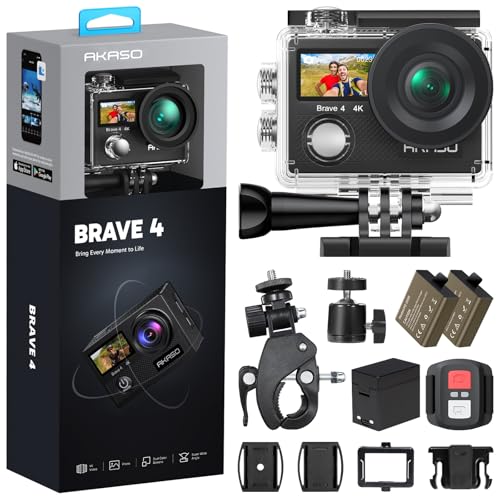
You want clips from the board and the lineup without thinking about the camera mid session. A small waterproof action body on a board mount or mouth mount fits, because it survives wipeouts and starts recording with one press. Image quality takes second place to toughness and simple controls you can work with wet hands. Most riders in this group spend about $200 to $450.
Beach Photographers Shooting from Shore
You stand on dry sand and shoot other surfers, so reach and autofocus tracking decide your results. A mirrorless body with a long telephoto lens freezes takeoffs from hundreds of feet away, and weather sealing guards against blowing spray. You trade swim proof toughness for far sharper stills. Serious shore shooters usually budget about $900 to $2,500 once the long lens is included.
Parents Recording Young Surfers from the Sand
You film lessons and first green waves from a safe spot on the beach, and you need gear that is simple enough to grab fast. A bridge style camera or an entry mirrorless body with a kit zoom covers the distance without lens swaps in the sand. Stay with your child between sessions, and never leave children unsupervised near water while you review footage. Budgets here run about $350 to $800.
How to Choose: Key Features to Compare
The most dependable best cameras for surfing setups survive salt, sun, and impact while keeping a fast moving rider sharp. Work through the six factors below before you compare megapixels, because environment kills more surf cameras than weak specs do.
Waterproof Depth and Housing Options
Depth ratings tell you how far a body can go without a housing, and most action cameras rate around 33 feet bare. That covers surface filming and duck dives, but shore break slams add pressure, so a housing earns its cost for repeated heavy use. Mirrorless and compact bodies need a housing for any in water work at all. Check that housing buttons stay usable with cold, wet fingers before you buy.
Stabilization and Frame Rates
Electronic stabilization smooths board mounted footage that would otherwise shake beyond watching. Higher frame rates such as 120 frames per second allow smooth slow motion of turns and airs, while 60 frames per second suits most session edits. Stabilization often crops the frame slightly, so a wider lens setting compensates. On shore bodies, in body stabilization helps at long focal lengths, but shutter speed still freezes the action itself.
Lens Reach for Shore Shooting
From the sand, focal length is the whole game. A lens reaching 300 mm on a full frame body frames a surfer loosely at typical break distances, while 400 mm to 600 mm fills the frame with room to crop. Built in zooms on bridge cameras reach similar angles at lower cost and lower sharpness. Judge sample images at full zoom, because that is where you will live.
Sensor Size and Bright Light Quality
Surf shooting happens in harsh sun, so dynamic range matters more than high ISO strength here. Larger sensors hold detail in white water and shaded faces at the same time, and they tolerate cropping from long distances. Smaller action camera sensors do fine for video in full sun but show their limits in stills and shade. Megapixels help shore shooters crop, yet lens quality decides how much of that resolution is real.
Mounts, Floats, and Leashes
How the camera attaches decides whether it comes home with you. Board mounts need strong adhesive pads and a safety tether, and any camera used in the water should have a bright float so it bobs within sight after a knock loose. Wrist leashes suit handheld in water shooting. Buy mounts rated for impact, because flat water demos never match the force of a shore break tumble.
Battery Life and Spare Power
Action cameras often record for about one to two hours per battery, and cold morning water shortens that span. Shore bodies last longer per charge but drain faster when driving long lenses and tracking focus all day. Carry spares in a sealed dry bag, and rotate them so one warm battery is always ready. Solar chargers help on long beach days, yet a simple second battery solves more problems.
Choosing Cameras for Your Situation
Best Action Cameras for Surfing
The best action cameras for surfing trade sensor size for survival. Prioritize a bare body depth rating, glove friendly controls, and stabilization that holds a horizon line while the board pitches. Voice control helps when your hands stay on the board, and a front screen helps frame self shots in the lineup. Accept softer stills as the price of a camera that treats wipeouts as routine.
Best Cameras for Surfing Photography
Shore based stills setups live by different rules, and image quality outranks waterproofing. Fast burst rates around 10 frames per second or more, reliable subject tracking, and a long sharp telephoto lens matter more than waterproofing. Raw files hold highlight detail in white water that compressed files lose. If stills are your main goal, put most of the budget into the lens and treat the body as the second purchase.
Types of Cameras at the Beach
Most buyers comparing best digital cameras for beach use end up choosing among the four types below. Each type wins in one shooting position and gives something up in the others, so match the type to your spot first.
Action Cameras
Action cameras are the default in water choice: tiny, sealed, and mountable almost anywhere. Video quality in bright sun is strong, and modern stabilization makes board footage watchable. Stills and zoom reach are weak, and tiny screens frustrate menu changes. Choose one if the camera will get wet every session.
Mirrorless Cameras
Mirrorless bodies with telephoto lenses produce the sharpest surf stills and the most flexible video from shore. They cost the most, demand care around sand, and need a housing before touching the water. Autofocus tracking on better bodies follows a rider across the wave face with ease. Choose one if image quality outranks simplicity in your budget.
Compact Waterproof Cameras
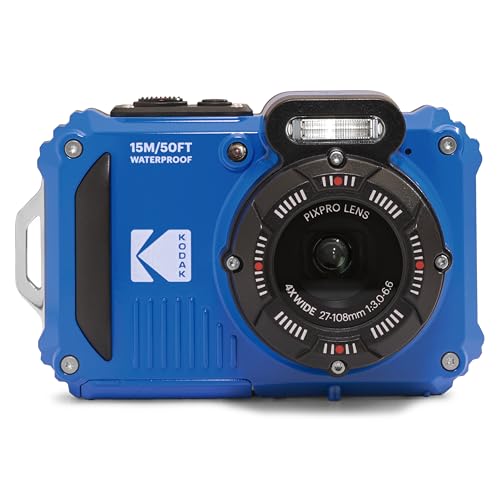
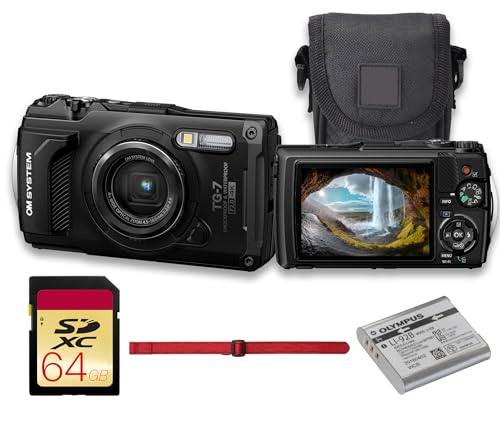
Rugged compacts split the difference, surviving swims and drops while offering a real zoom for shore shots. Image quality trails mirrorless gear, and controls stay simple by design. They suit families and travelers who want one camera for the whole beach trip. Prices run about $300 to $550, and no extra housing is needed for surface swimming.
Bridge Cameras
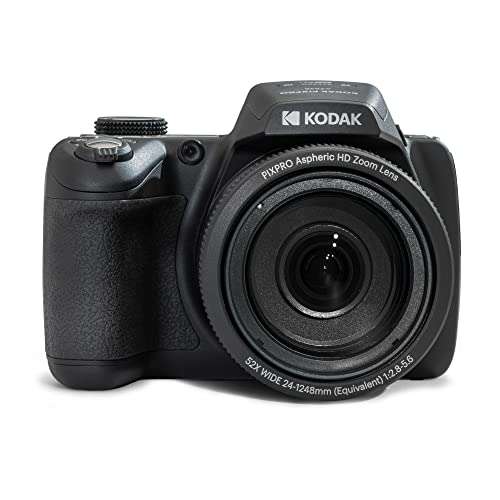
Bridge cameras pair a fixed superzoom lens with a body that handles like a small DSLR. That huge reach at modest cost is exactly what shore filming on a budget needs. Small sensors soften fine detail and struggle as light fades, and the body is not waterproof. Choose one when distance matters more than ultimate sharpness.
Common Mistakes to Avoid
- Trusting a splash proof rating for full swims, because spray resistance and a true depth rating are different promises.
- Shooting in the water without a float and tether, because one wipeout can sink an unmarked camera beyond recovery.
- Buying reach for the board, because long zooms belong on shore and only add shake and bulk in the water.
- Opening battery doors on the beach with sandy hands, because a few grains in the seal can let water past it later.
- Judging surf cameras by studio specs alone, a habit that readers comparing the best quality cameras for general use also have to unlearn at the beach.
How to Make Your Camera Last Longer
- Rinse the closed body or housing in fresh water after every salt session, because dried salt crystals creep into seals and scratch ports.
- Dry the camera fully before opening any door, and open doors face down so trapped drops fall away from the compartment.
- Inspect housing seals for sand and hair before each swim, and replace worn seals at the first sign of flattening.
- Store the kit in a padded dry bag out of direct sun, because heat inside a parked car ages batteries and fogs housings later.
- Update firmware when makers release it, because stabilization and autofocus gains for action shooting often arrive as free updates.
- Never look at the sun through an optical or electronic viewfinder while framing, because concentrated light can damage both the sensor and your eyes.
Surf Camera Questions Answered
How fast a memory card do surfing cameras need?
Surfing cameras recording 4K video need a card rated for sustained video writing, marked V30 or faster. Slow cards stop recordings mid wave and corrupt files, which costs you the one clip you waited an hour to catch. Buy two mid size cards rather than one huge card, so a failure never ends the day. Format cards in the camera before a session, and offload footage the same evening.
How much should a first surfing camera cost?
A first surfing camera should cost about $250 to $500 if it will go in the water, which covers a capable action body, a float, and a mount. Shore shooters working from the sand should plan about $600 to $1,000 for a bridge camera or an entry body with a longer lens. Our guide to the best starter cameras covers general first purchases, but salt duty always adds the cost of floats, tethers, and spare seals to any budget.
Why does surfing footage fog inside the housing?
Fog forms when warm moist air trapped in the housing meets the cooler front port in the water. Small anti fog inserts absorb that moisture and clear most cases within a few minutes. Load the camera into the housing in dry indoor air rather than humid beach air, and avoid opening the housing between sessions. If fog appears mid swim, rest the camera in shade and let temperatures equalize before filming again.
Can a surfing camera film well on overcast days?
Yes, a surfing camera films well on overcast days, and many shooters prefer that soft light. Cloud cover removes harsh contrast, so faces and board colors record more evenly than at noon. The trade is slower shutter speeds, which soften fast turns, so raise ISO moderately and accept slight grain. Action bodies handle dull light worst, while larger sensor shore cameras keep their advantage on grey mornings.
Is a drone better than a camera for surfing footage?
A drone gives a striking overhead angle, but it does not replace a camera for most surf filming. Wind limits flight near the water, battery time runs short, and many beaches restrict drones near crowds and wildlife. A drone also cannot capture the in water view that action cameras deliver. Treat a drone as a second angle for experienced operators, and master the water and shore positions first.
Final Thoughts
Pick your shooting position first, then let depth rating, lens reach, and mounts narrow the field. In water riders need sealed action bodies with floats and tethers, while shore shooters gain more from reach and tracking focus than from waterproofing. The product table above gathers current options across those budgets. Choose the best cameras for surfing for the spot you shoot from most, and rinse the salt off after every session.
