Best Cameras for Sunsets by Budget: Smart Picks for 2026
Disclosure: We may earn a commission when you buy through links on this page, at no extra cost to you. As an Amazon Associate I earn from qualifying purchases. Learn more

Compare the best cameras for sunsets by budget, sensor size, and low light strength, and learn which features matter most for rich golden hour color.
Sunset light changes fast, and it asks a lot of any camera. The sky can be bright while the ground sits in deep shadow, and colors shift from gold to pink in minutes. Choosing best cameras for sunsets really means choosing how much control, dynamic range, and low light strength you want to pay for.
Prices stretch from simple compacts at around $200 to advanced interchangeable lens models at about $1500 to $3000, and spending more helps only when the upgrade solves a problem you actually have. This guide walks through each budget level, the features that earn their cost, and the extras you can skip. Use the comparison table below to line up options against your budget before you read on.


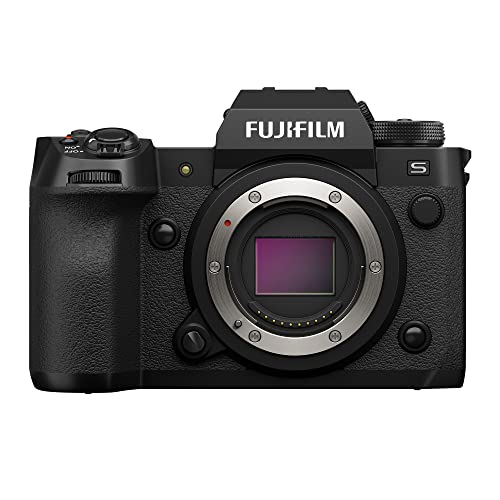
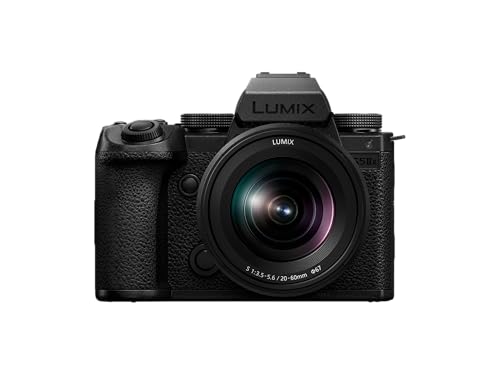


How to Choose by Budget Without Overspending
Start by naming how you shoot most evenings. If you mostly photograph family and travel scenes at the beach or a lookout, ease of use and a reliable automatic mode matter more than a long list of manual controls. If you already adjust exposure on purpose and edit your files later, you will feel the limits of a basic model much sooner, so let your habits set your budget.
Travelers and Casual Shooters on a Tight Budget
You want a step up from a phone without a steep learning curve or a heavy bag. Point and shoot compacts suit you well because they start fast, fit in a jacket pocket, and handle exposure decisions while you watch the light. Look for a 1 inch sensor if you can, since it holds shadow detail better than the tiny sensors in the cheapest compacts. You accept less depth of field control and a fixed lens, but for shared photos and modest prints those limits rarely ruin an evening.
Enthusiasts Who Shoot Sunsets Often
You plan outings around the light, return to favorite spots in different seasons, and notice when a sky looks washed out. A midrange interchangeable lens camera gives you manual exposure, raw files, and a choice of lenses, and those three things change sunset results more than extra megapixels. A good tripod starts to matter as much as the body at this level.
Budget for the system, not just the body. A versatile zoom covering wide scenes and tighter details serves most locations, and you can add a fast prime lens later for dusk portraits. If you want a broader view while you plan, see our guide to the best cameras for photography for how these models fit into everyday shooting.
Serious Shooters Who Want Maximum Control
You shoot in manual mode by habit, bracket exposures when sky and foreground differ sharply, and print large or license your work. A premium full frame body earns its price through wider dynamic range, cleaner high ISO files, and stronger color depth in the gradient tones of a fading sky. Dual card slots and solid weatherproof sealing also help on coastal shoots.
What Your Money Gets You at Each Price Tier
Each step up in price normally buys a larger sensor, better handling in dim light, and more direct controls, while the jump in final image quality gets smaller each time. Knowing what each level includes helps you spot a fair deal and ignore a weak one. Use the product table above as a quick reference while you compare the tiers below.
Budget Tier: What to Expect
Budget models at around $200 to $500 are mostly fixed lens compacts and older entry level interchangeable lens cameras. Expect a smaller sensor, a useful optical zoom on compacts, simple menus, and basic video on many models. Sunset results can still look lovely when the light is even and you expose for the sky rather than the shadows, though autofocus slows and shadows turn noisy as light falls.
Midrange Tier: The Sweet Spot for Most Buyers
Midrange cameras at about $600 to $1200 usually bring APS C sensors, interchangeable lenses, raw capture, and better screens and viewfinders. Exposure tools such as highlight warnings and live histograms become common here, and they help you protect a bright sky in the moment instead of fixing it later. Many models also add solid 4K video for short clips of the changing light.
For weekly sunset shooters, this tier offers the best balance of cost and capability in bodies light enough for a long walk. Shoppers comparing general options may also want to see our guide to the best digital cameras for a wider look at formats and sizes.
Premium Tier: When Spending More Pays Off
Premium bodies at about $1500 to $3000 add full frame sensors, faster processors, and the strongest low light performance in this guide. You gain cleaner images at the high ISO settings dusk demands, smoother color transitions in the sky, and faster autofocus on moving subjects such as birds crossing the light. Build quality improves too, with sealing that shrugs off sea spray and dust. This tier pays off most for large prints and paid work, and far less for screen sharing.
Features Worth Paying For and Ones to Skip
Listings list dozens of features, but only a handful change sunset results in a visible way. When you compare the best cameras for sunsets side by side, judge each model on the points below rather than on the length of its feature list. Each point explains the sunset specific reason behind the call.
Battery Life and Charging
Sunset shoots are short but intense, and a cold evening wind drains batteries faster than a mild afternoon. Look for a rating of at least 300 shots per charge, and treat it as optimistic because heavy screen use for reviewing the sky cuts it down. USB C charging is worth paying for because you can top up from a power bank in the car on the way to a location. Carry a spare battery too, since a missed sunset cannot be repeated the next day with the same clouds.
Features That Matter for Sunsets
Dynamic range tops the list because a sunset scene holds bright sky and dark land in one frame. A camera with strong dynamic range keeps cloud detail while still showing foreground texture, and raw capture gives you the most room to balance the two in editing. Exposure bracketing helps too, since you can blend frames when one exposure cannot hold both ends of the scene.
Image stabilization matters once the light drops and shutter speeds fall, because it lets you handhold at slower speeds and keep ISO lower. A tilting screen earns its keep at crowded viewpoints and low angles. If you focus mainly on this kind of scene, see our guide to the best cameras for sunset photography for a closer look at technique driven needs.
Low Light Performance
The minutes after the sun sets are often the most colorful, and they are also the darkest. Low light performance depends mainly on sensor size and on how cleanly the camera handles high ISO settings. A model that stays clean at ISO 1600 or ISO 3200 lets you keep a safe shutter speed for people and moving water without turning the sky grainy. Judge this by dusk sample images rather than a maximum ISO number, and remember that a fast lens helps by gathering more light.
Sensor Size and Image Quality
Sensor size shapes almost everything else in this guide. A 1 inch sensor in a good compact beats a phone and handles most travel sunsets well. An APS C sensor gathers more light and gives shallower depth of field for portraits against the sky, while a full frame sensor offers the widest dynamic range and the cleanest dusk files of the three.
Around 20 to 26 megapixels is plenty for large prints, so spend on sensor size and lens quality before resolution. Readers who care most about fine detail can also see our guide to the best quality cameras for more on overall image quality.
Features You Can Safely Skip
Very high burst rates, extreme video frame rates, and huge megapixel counts add cost that sunset shooting rarely repays. The light changes over minutes, not milliseconds, so a modest burst speed is enough for birds or waves. Built in novelty filters and scene modes add little too, because raw files and simple editing give you the same looks with more control. Put the savings toward a better lens or a sturdy tripod instead.
Long Term Costs to Factor In
The body price is only the first payment. Lenses are the largest ongoing cost for interchangeable lens systems, and a second lens often costs about $200 to $600 depending on speed and range. Memory cards, a protective bag, and a tripod add smaller but real amounts, and coastal shooters should add a simple cleaning kit for salt spray on glass and contacts.
Plan for replacement parts as well. Batteries lose capacity over a few years of regular use, and heavily used bodies eventually need sensor cleaning or shutter service. Warranty length varies by maker, so check what is covered before you buy. If you shoot both ends of the day, see our guide to the best cameras for sunrise and sunset for cost notes that apply to early starts as well.
Frequently Asked Questions
What features matter most in a camera for sunsets?
Dynamic range matters most in a camera for sunsets because the sky and the land differ so much in brightness. Raw capture, exposure bracketing, and a live histogram help you protect highlights while keeping shadow detail. Good color handling matters too, since sunset tones shift quickly and a camera that records subtle gradients avoids banding in the sky. A larger sensor supports all of these points at once.
What specs should beginners look for in a camera for sunsets?
Beginners should look for a camera for sunsets with a 1 inch or APS C sensor, simple exposure controls, and a clear live histogram. A tilting screen helps with low viewpoints, and a lens with optical zoom from wide to short telephoto handles most scenes. One beginner friendly extra is a built in level, which keeps horizons straight over water. Avoid judging by megapixels alone, since sensor size shapes results far more.
Is a smartphone enough instead of a dedicated camera for sunsets?
A smartphone is enough for casual sunset photos shared on a screen, and modern phones handle exposure blending automatically. A dedicated camera pulls ahead when you zoom in, print large, or edit the file with care, because its larger sensor holds cleaner shadows and finer sky detail. Physical dials also make quick exposure changes easier in fading light than tapping through a phone menu while the color peaks.
Does optical zoom matter in a camera for sunsets?
Optical zoom matters in a camera for sunsets when you want to compress the scene and make the sun appear larger against buildings, hills, or a lighthouse. A range reaching about 70 mm to 200 mm in full frame terms gives that compressed look, while wide settings suit broad skies. Unlike digital zoom, optical zoom keeps full resolution. It matters less if you always shoot wide landscapes from open viewpoints.
How much should I spend on a first camera for sunsets?
Spend about $300 to $700 on a first camera for sunsets if you want a clear step up from a phone without overcommitting. That range covers strong compacts and entry level interchangeable lens models, with room left for a tripod and spare battery. Spending more mainly helps once you know you will shoot weekly and edit raw files, so let your habits, not launch deals, set the number.
Final Thoughts
Match the camera to your evenings, not to a listing. Dynamic range, sensor size, and honest battery life decide most sunset results, and each price tier above serves a different kind of shooter well. Budget buyers get real quality from a good compact, enthusiasts gain the most from the midrange step, and premium bodies reward only those who use their extra room in editing.
Arrive early, expose for the sky, and stay a little after the sun drops, because the quiet colors that follow are often the finest of the day. With those habits in mind, the best cameras for sunsets are simply the ones you will carry gladly to the next clear evening, so compare the options in the comparison table above and pick the fit that matches your budget and your routine.