
Best Cameras for Stock Photography Made Simple: A Clear Buying Guide for 2026
Disclosure: We may earn a commission when you buy through links on this page, at no extra cost to you. As an Amazon Associate I earn from qualifying purchases. Learn more

Shopping for the best cameras for stock photography for the first time? Learn the terms, compare options, and avoid rookie mistakes with this easy guide.
Stock photography is a patient business. You shoot everyday scenes, people, food, and workplaces, then buyers license the images that fit their projects. Choosing the best cameras for stock photography as a first time buyer feels hard because listings mix vital numbers with marketing filler. This guide starts with the basics and explains each key term plainly.
Your camera has to do more than take a pleasant photo. Agencies check files for sharpness, noise, and clean detail, and buyers often crop images to fit layouts. A camera that leaves room to crop and focuses reliably will serve you far longer than a flashy feature list. Scan the comparison table below, then judge which type matches the subjects you plan to sell.


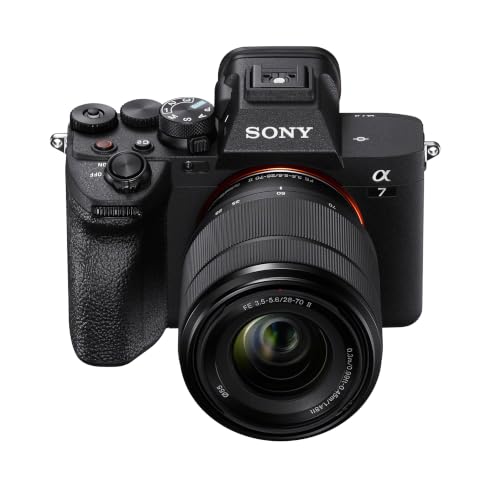

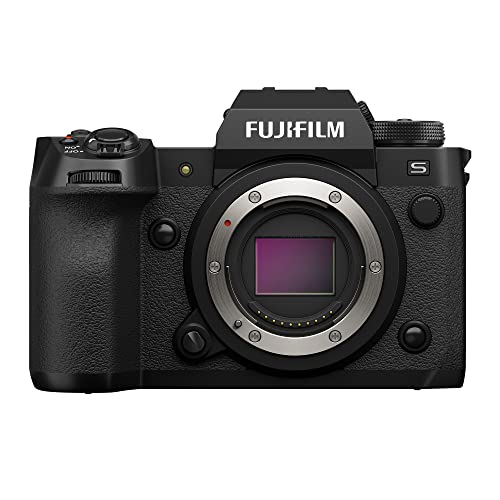


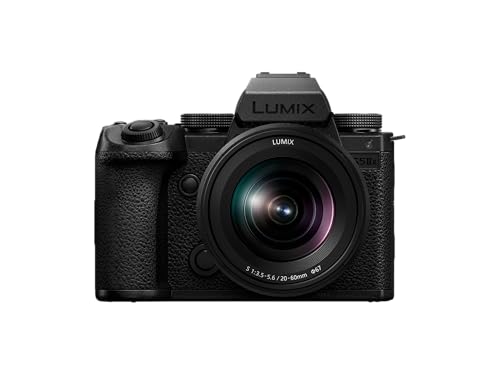

Cameras 101: The Basics for Stock Work
A digital camera records light through a lens onto a sensor, then saves the image as a file you can edit and upload. Two file types matter most. JPEG files are finished in the camera and small, while RAW files keep more original data, so you can adjust exposure and color later with less damage. RAW shooting is close to essential, because a careful edit can rescue a dark frame an agency might otherwise reject.
Most stock sales come from digital files, and our guide to the best digital cameras shows how broad that family has become. A smaller group still shoots film and scans negatives, a slower path covered in the guide to the best film photography cameras. Either way: clean light, a sharp lens, and a file that holds up when cropped.
Numbers That Change Your Finished Files
Listings reward readers who know which numbers change the finished file. The six factors below shape image quality and editing room.
Features That Matter for Stock Photography
Stock files face checks that casual snapshots never meet. Reviewers zoom in at full size and look for soft focus, noise, and purple fringing along edges. Sharp lenses, honest detail, and a sensor that holds up when you crop matter more than dramatic filters or huge zoom claims. Look for RAW capture and common, affordable memory cards.
Sensor Size and Clean Files at Full Zoom
Sensor size describes the physical area that gathers light. A 1 inch sensor sits in many advanced compacts, APS C sensors power most starter interchangeable lens cameras, and full frame sensors are the largest common option. Bigger sensors gather light more cleanly and give shallower depth of field, which helps portraits stand out. About 20 to 24 megapixels already gives buyers room to crop. Lens sharpness and good light matter more than a bigger megapixel number.
Controls You Can Learn While You Earn
A camera you understand gets used daily, and stock income rewards consistency. Clear menus, a touch screen that sets the focus point, and guided auto modes help new buyers get clean results while they learn manual controls. WiFi transfer to a phone app speeds up uploads and location notes. If you are still learning exposure, our guide to the best beginning photography cameras explains starter friendly layouts in more depth.
Low Light Performance for Indoor and Evening Shoots
Low light performance decides whether cafes, offices, and evening streets stay usable or turn grainy. Two things drive it: how cleanly the sensor handles high ISO settings and how much light the lens lets in, shown by its smallest f number. A lens marked f1.8 or f2.8 gathers far more light than a kit lens at f5.6, so ISO and noise stay lower. Judge sample files at ISO 3200 at full size, because agencies view files that way.
Durability and Weather Sealing
Stock subjects often live outdoors: markets, farms, building sites, and city weather all sell well. Weather sealing uses gaskets around doors, dials, and the lens mount to slow dust and light rain from getting inside. It is protection, not permission to soak the camera, and the lens must be sealed too. Add a padded strap and a rain cover, and your gear will survive seasons outdoors.
Video Capabilities for Stock Clips
Many contributors sell short video clips alongside stills, and one camera can often record both. Look for 4K video if clips are part of your plan, because buyers favor the larger frame for cropping to vertical or wide formats. A microphone input records cleaner sound than the built in mic, and a flip forward screen helps when you film yourself. Image stabilization smooths handheld clips of walking and cooking. Treat video as a bonus skill, not a reason to overspend.
Best Cameras for Specific Stock Needs
Match the camera to your main niche first, because a portrait kit and a travel kit spend money in different places.
Compact Cameras for Stock Photography
Compact fixed lens cameras suit buyers who want one small camera that is always in a pocket or day bag. Judge them on three points: a sensor of 1 inch where possible, because tiny sensors struggle in dim rooms; a zoom range covering wide scenes and moderate portraits without extremes; and RAW capture, which many simple compacts skip. They fit travel details, food, and street scenes, but the fixed lens limits growth.
Cameras for Portrait and Lifestyle Contributors
People pictures are the heart of many stock portfolios, covering families, couples, workers, and small business scenes. An interchangeable lens camera with reliable eye detection autofocus keeps faces sharp while subjects move and talk naturally. Pair it with a moderate prime lens around 35 mm or 50 mm in full frame terms, and backgrounds soften in a way buyers love. Budget for a reflector or a small flash before a second lens.
Cameras for Travel and Landscape Contributors
Travel contributors walk all day, so weight shapes every choice. A mirrorless APS C kit with one versatile zoom covers cities, markets, and mountain views without filling a backpack. Strong dynamic range helps here, because bright skies and shaded streets can sit in one frame, and a flexible RAW file lets you balance both in editing. Our broader guide to the best cameras for photography compares this route with heavier full frame kits.
Rookie Mistakes to Avoid
Most first camera regrets come from spending on the wrong part of the kit.
- Buying the highest megapixel count you can find, because a soft lens wastes that detail and agencies reject the files anyway.
- Spending the whole budget on the body, because no money remains for a sharp lens, cards, and a spare battery.
- Shooting only JPEG files, because baked in settings leave too little room to fix exposure and color later.
- Ignoring agency file rules before a big shoot, because undersized or heavily filtered images get refused at review.
- Choosing a huge zoom range over lens quality, because extreme zooms often soften at the ends.
- Skipping a grip and menu test in store, because an awkward camera stays home instead of earning.
First Day Setup for Agency Ready Files
Unbox slowly and charge the battery fully before the first shoot. Set the clock and date, because agencies and your records rely on accurate file data. Format the memory card in the camera, choose RAW plus JPEG, and turn on the grid overlay to keep horizons level. Take test shots at home at several ISO settings and zoom in to learn how files look at full size. Always carry a spare battery on paid outings.
Care and Maintenance for Stock Cameras
Clean files start with clean gear. Use a lens cloth, not your shirt, to wipe the front glass, because shirt fabric can drag grit across the coating. Blow dust off with a hand blower before wiping. Keep the camera in a dry bag with a silica gel pack. Check the sensor for dust by photographing a plain bright wall at a small aperture; spots in the same place on every frame mean the sensor needs a careful clean or a service visit.
Frequently Asked Questions
What features matter most in cameras for stock photography?
Sharp lenses, clean high ISO files, and RAW capture matter most for stock photography. Agencies inspect files at full size, so honest detail beats flashy effects. One factor new buyers often miss is service support: a camera with a common mount and an active repair network protects a working contributor from long breaks when something wears out. Start there, then add features for your niche.
How much should a first time buyer spend on a stock photography camera?
A sensible first kit often lands at about $500 to $1,200, with the lens taking a real share of that budget. Spending less usually means a tiny sensor that limits indoor work, while spending far more rarely doubles sales. Set money aside for cards, a spare battery, and editing software. A modest camera used five days a week builds a portfolio faster than a costly one saved for weekends.
Is a smartphone enough for stock photography submissions?
A recent smartphone can pass agency checks for bright outdoor scenes, food in good light, and simple everyday moments. Its limits show up indoors, at night, and whenever you crop, because the small sensor holds less detail. Some agencies run separate mobile collections with their own rules, so read the submission terms before a big upload. Many contributors start with a phone, then buy a dedicated camera once sales show which subjects deserve better files.
Which camera traits help most with low light stock photography?
A wide aperture lens and clean files at ISO 3200 help most with low light stock photography. Together they let you shoot cafes, homes, and evening streets without a flash changing the mood of the scene. One extra aid is a fast autofocus system that locks onto faces in dim rooms, since missed focus cannot be fixed in editing. Tripods help for still scenes, but people and events call for faster settings.
Our Verdict
For a first time buyer, the formula is simple: a sensor large enough to stay clean indoors, RAW files that forgive small exposure errors, and a lens sharp enough to survive a close review. Compact models suit travelers, while interchangeable lens cameras grow with portrait work. Compare your shortlist against the product table above, and choose the best cameras for stock photography kit that fits the subjects you will shoot every week.


