
Best Cameras for Sports Action Shots: A First Time Buyer's Guide for 2026
Disclosure: We may earn a commission when you buy through links on this page, at no extra cost to you. As an Amazon Associate I earn from qualifying purchases. Learn more

A plain English first time buyer guide to the best cameras for sports action shots, covering burst rate, autofocus tracking, lenses, and shutter speed.
Your first sports camera purchase gets much easier once you know which numbers actually matter. The best cameras for sports action shots are not the ones with the most megapixels; they are the ones that focus fast, shoot in quick bursts, and keep up with a subject that refuses to stay still. This guide explains each term in plain English before you spend anything.
We start with the basics, then walk through the specs one by one. The comparison table below places the main camera classes side by side, and the mistakes section later will save you the errors most new buyers make.

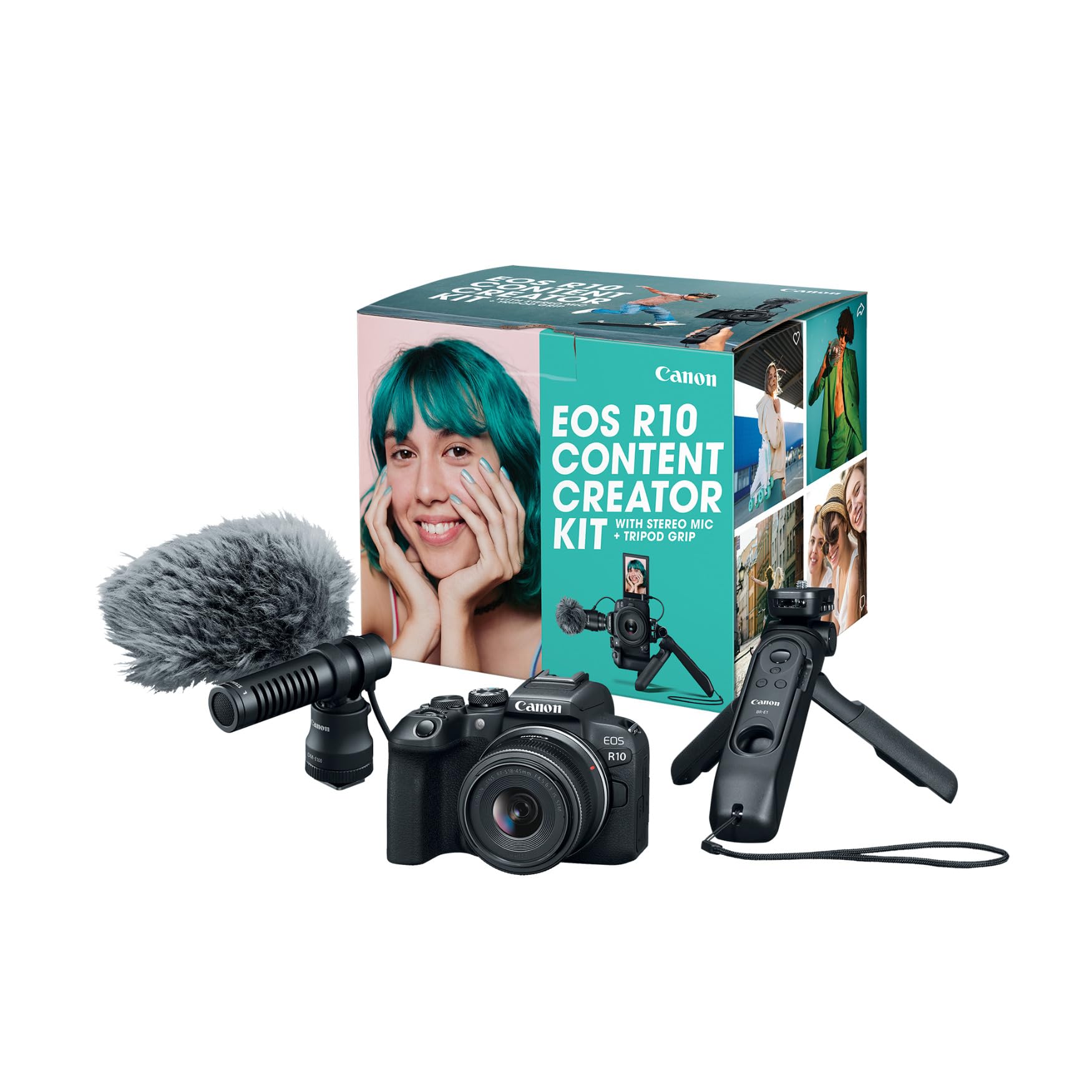


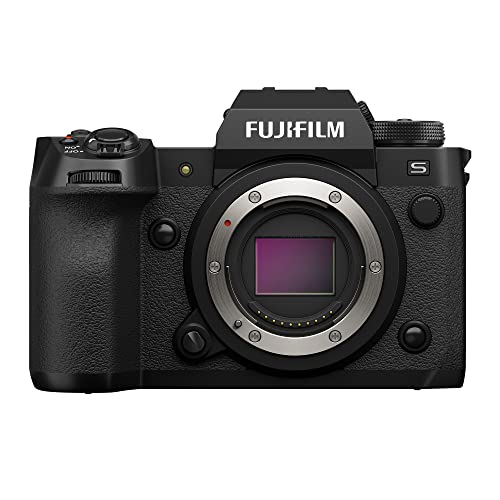
Cameras 101: The Basics
The best cameras for sports action shots share one job: freeze a subject that will not stay still. Three parts share that job. The sensor turns light into the picture, the lens gathers the light and sets how close the subject appears, and the autofocus system locks onto the subject and follows it.
When any one of the three is weak, fast games and races turn into soft, blurred frames. Everything in this guide connects back to those three parts.
Key Specs Explained in Plain English
Burst Rate and Focus Come First
Action work is a burst and focus class. Burst rate says how many frames the camera fires each second while you hold the button down, and focus tracking says how many of those frames stay sharp. The keeper rate decides the purchase: ten frames per second means little if only two of them are in focus.
Maker burst figures are lab figures, measured in ideal light with the fastest card fitted, so treat them as a ceiling rather than a promise. For school and club sports, look for tracking that holds a running player and a burst of about ten frames per second or more.
Where You Sit Decides the Lens
Your seat decides the lens class. From the sideline of a small field, a mid range zoom covers the play comfortably. From high stands or across a large field, you need real reach, and reach costs money and weight.
Parents filming from the bleachers should budget for the lens before the body, since a modest body behind the right lens beats a flagship body behind a short one. Our guide to the best cameras for sports action compares lens classes by venue size.
Shutter Speed: Freezing the Subject
Shutter speed is how long the sensor gathers light for one frame, written as a fraction such as 1/2000. Fast speeds freeze motion: about 1/1000 stills a runner, and 1/2000 or faster stills a swinging bat or a ball in flight. The price of freezing is light, since a fast shutter admits very little, so the camera raises sensitivity and the picture grows noisier.
Bright fields hide this trade. Dim gyms expose it, which is why lens aperture matters as much as the shutter range.
Sensor Size and Image Quality
Sensors come in classes from small one inch chips through APS C to full frame. Bigger sensors collect more light per frame, so action shots stay cleaner when the light drops late in the day. Megapixels matter less than sellers claim: 20 megapixels is plenty for prints and crops at school sports level.
What you feel in use is cleaner high sensitivity files from the larger classes, which pair well with the fast shutter speeds action demands. The guide to the best digital cameras for action shots compares sensor classes across budgets.
Battery Life and Charging
Action days are long, and burst shooting drains batteries far faster than casual photography does. Ratings in shots per charge assume gentle use, so plan on a spare battery for tournaments and double headers. Cameras that charge over USB C can top up from a power bank between games, a real comfort at all day events. Cold weather shortens battery life further, so keep the spare in an inside pocket where your body keeps it warm.
Size, Weight, and Handling
You will hold this camera at eye level for whole games, so weight is a spec, not a detail. Large bodies balance long lenses better but tire shoulders by the second half. Deep grips, a clear button layout, and a viewfinder you can use with glasses all matter more than a long feature list. If you shoot youth sports from a folding chair, a lighter kit you actually bring beats a heavy kit left at home.
Rookie Mistakes to Avoid
- Chasing megapixels while ignoring autofocus tracking and burst rate.
- Buying the body first and leaving nothing for the lens your seat requires.
- Trusting digital zoom numbers, since only optical zoom keeps detail at distance.
- Shooting every play on full auto and never learning shutter priority mode.
- Fitting a slow memory card that chokes burst shooting and makes you wait.
Getting Started: Setup and First Use
Charge both batteries and format the card in the camera before the first game. Set shutter priority with a floor of 1/1000, auto sensitivity, and continuous autofocus with subject tracking, then shoot a practice scrimmage before anything that counts. Use a lens cloth, not your shirt, to clear spray and dust from the front element. The companion guide to the best cameras for taking action shots walks through practice drills for your first month.
Frequently Asked Questions
What features matter most in cameras for sports action shots?
Tracking autofocus, burst rate, and lens reach matter most, in that order. One point new buyers overlook is the silent electronic shutter: at golf, tennis, and indoor meets, a clicking mechanical shutter can draw complaints from officials and players. A camera that offers a quiet mode keeps you welcome at more venues, which matters as much as raw speed over a full season of shooting.
How much should I spend on my first sports action camera?
Most first buyers comparing best action shot cameras for sports land between about $500 and $1,200 for a body and lens together. Below that range, tracking quality drops sharply. Above it, gains come in smaller steps. Keep a small reserve for a monopod as well: it steadies a long lens through a full game and costs less than the shoulder pain of hand holding one for three hours.
What specs matter most for beginners in sports photography?
Beginners should rank simple menus and a sensible auto sensitivity ceiling above exotic features. A camera that lets you cap how high sensitivity climbs keeps files clean while you learn. Back button focus and custom control layouts can wait a season. What cannot wait is a viewfinder you can read in bright sun, since the rear screen washes out exactly when outdoor games get interesting.
Is a smartphone enough for sports action shots?
A smartphone is enough for close range action, such as playground games and pets in the yard. It falls short at distance, because phones crop digitally instead of zooming optically, and distant players turn small and soft. Processing also smooths fast motion in ways that look waxy on a big screen. For stands and sidelines beyond a few yards, a dedicated camera with a real zoom lens is the honest answer.
Which is better for low light sports, a bigger sensor or a faster lens?
A faster lens usually wins per dollar spent in school gyms and evening fields. Moving from a slow kit zoom to a lens that opens to f/2.8 gathers about four times the light, which directly buys faster shutter speeds.
A bigger sensor helps too, but it multiplies the price of every lens you own. Buy the fast lens first, then judge whether the body still limits you.
Can a camera for sports action shots also shoot good video?
Yes, most action stills cameras record capable video, and many offer high frame rates. Recording at 120 frames per second lets you play a dive, a swing, or a finish line moment back in smooth slow motion, which stills cannot show. Buyers who lean toward clips over stills can compare the best video cameras for action sports for classes built around recording first.
Final Thoughts
Focus on three things and the choice makes itself: tracking focus, a lens matched to your seat, and shutter speeds fast enough for your light. The best cameras for sports action shots for a first buyer are the ones whose settings you understand before the first whistle. Keep the product table above handy while you compare classes, charge both batteries, and shoot a practice game before the one that counts.


