Best Cameras for Space Photography: Every Type Explained Side by Side for 2026
Disclosure: We may earn a commission when you buy through links on this page, at no extra cost to you. As an Amazon Associate I earn from qualifying purchases. Learn more

Best cameras for space photography compared by type, with plain guidance on sensors, lenses, low light results, and video for night sky shooting.
Shooting the Moon, the Milky Way, and bright planets looks simple in shared photos, yet the camera behind each shot matters a great deal. If you are sorting through the best cameras for space photography, the confusion usually comes from type, not from a single spec. A small action camera, a mirrorless body, and a compact with a long zoom all promise night results, but they gather light in very different ways.
This guide compares each type in plain terms so you can match a camera to the subjects you love and the places you shoot from. You will see how sensor size, lens reach, and manual control change what ends up in your frame. Start with the comparison table below, then read the sections that fit your goals.
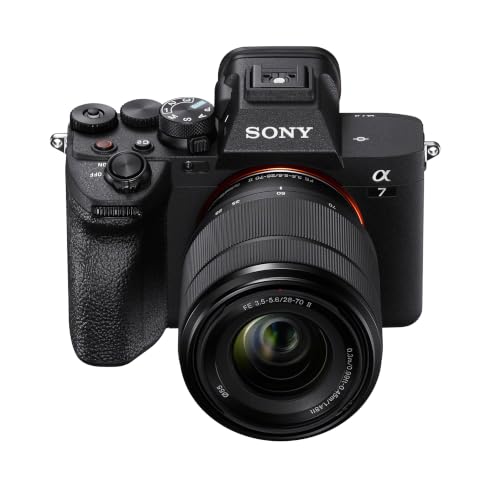

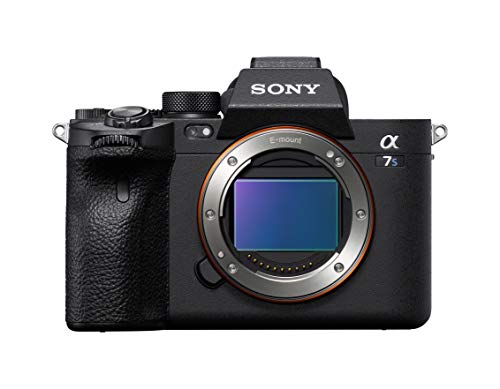


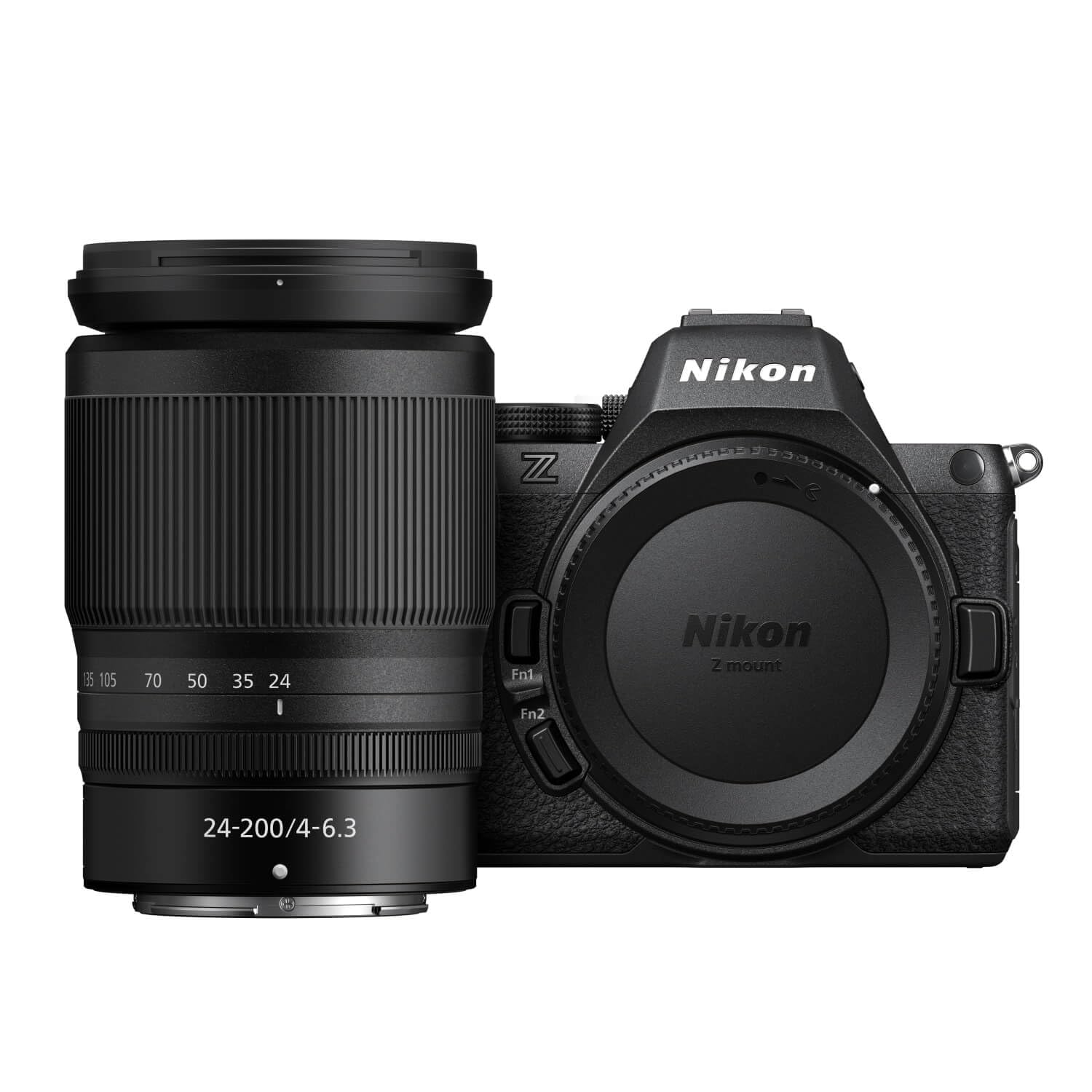


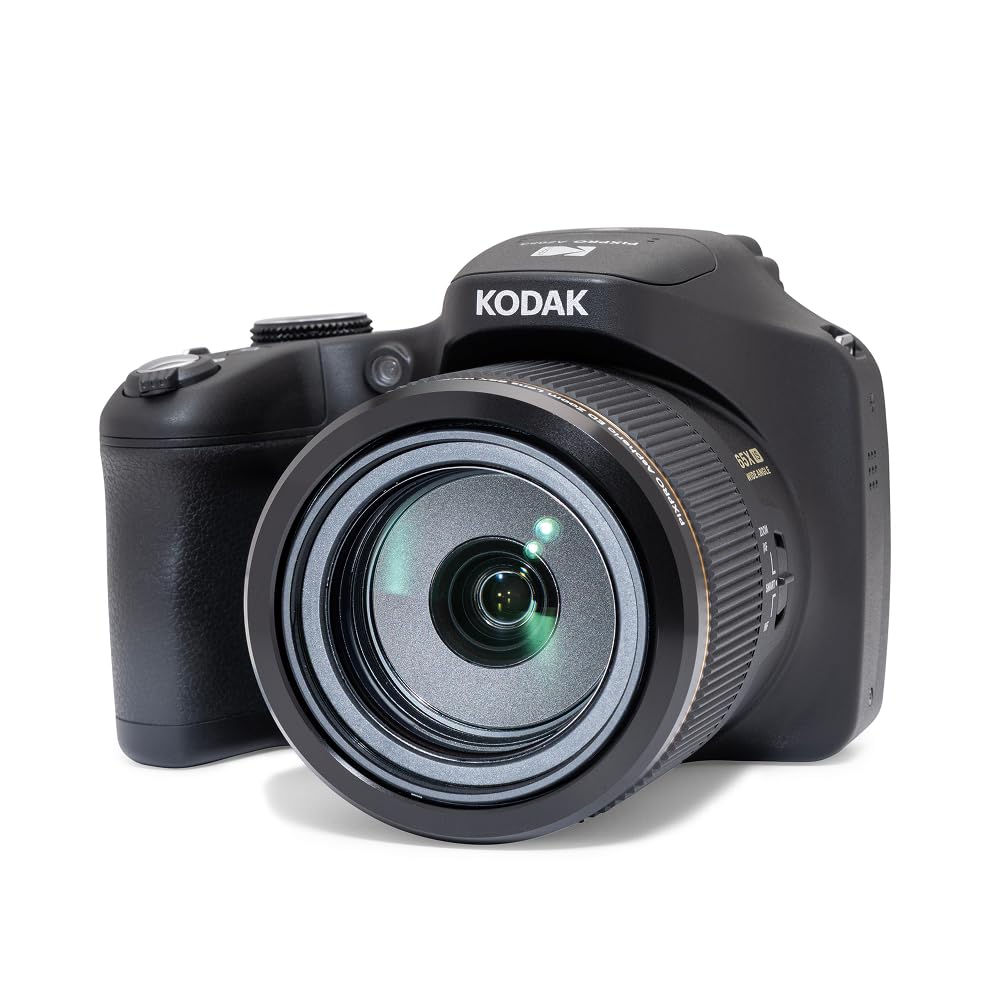
Types of Cameras Compared
Space subjects fall into three broad groups, and each camera type suits a different group. Wide views of the Milky Way need a fast wide lens and strong low light results. The Moon and planets need magnification and steady support, while meteors and the aurora need patience, timing, and a camera that can shoot again and again without fuss. The product table above gives a quick view of price and format, and the notes below explain how each type behaves under a dark sky.
Most options in this guide are digital models with instant review. If you want a broader view of formats first, see our guide to the best digital cameras for how sensors and lens mounts differ across the market.
Vlogging Cameras
Vlogging cameras are compact bodies built around video, with a screen that flips out for framing and strong autofocus that locks onto faces in daylight. For space work, that design helps when you want to record yourself under the stars or film the Moon with narration. Their small sensors and modest lenses limit faint star detail, though bright subjects like the Moon and Venus can still look sharp.
Choose this type if video storytelling matters as much as still photos and you shoot mostly bright targets. Look for manual exposure in video mode and a mic input, since automatic settings often brighten the sky too much and wash out stars. A tripod thread and a remote or phone app for starting clips also help on cold nights.
Action Cameras
Action cameras are tiny, rugged, and weatherproof, with a very wide objective lens that takes in a huge sweep of sky at once. That wide view suits meteors, the aurora, and time lapse sequences of stars crossing the sky. Image stabilization helps with handheld clips, but for still night shots you will still mount the camera and keep it perfectly still.
The trade offs are small sensors, limited optical zoom, and simple controls tucked into menus. Faint galaxies and small planets stay out of reach, and digital zoom only crops the image rather than adding detail. Pick an action camera if you travel light, shoot outdoors in rough weather, and value a wide dramatic view over close detail.
Mirrorless Cameras
Mirrorless cameras use interchangeable lenses and larger sensors, and they give you full manual control over shutter time, aperture, and ISO. That control is why they suit serious space photography, from Milky Way landscapes to deep views of nebulae through a telescope adapter. A fast wide lens gathers light quickly, while a telephoto lens brings the Moon and planets much closer.
Autofocus matters less at night because most space subjects sit at infinity focus, so many shooters focus manually with screen magnification. These bodies cost more and need more learning, but they reward you with cleaner files and room to add better lenses and trackers. If you plan to grow your skills, this type offers the longest useful life.
For daylight shooting too, see our guide to the best cameras for photography for a wider look at lens systems.
Point and Shoot Compacts
Point and shoot compacts carry a fixed lens in a small body that slips into a jacket pocket. Better models offer optical zoom that can fill the frame with the Moon, plus manual modes that let you set a longer shutter time for stars. Their convenience is real, since a camera you carry often beats a larger kit left at home.
Sensor size is the main limit, because most compacts use sensors far smaller than mirrorless models. Faint stars can look soft or noisy, and a slow lens at full zoom needs a very steady tripod. Choose a compact if you want simple Moon shots, eclipses, and bright planets without changing lenses or carrying a bag.
Vlogging Cameras vs Action Cameras: Which Should You Choose?
These two types overlap in size and price, so the choice comes down to how you shoot. Vlogging cameras give you a larger sensor in most cases, a screen you can turn toward yourself, and better sound options for spoken segments. Action cameras give you tougher sealing, a wider fixed view, and mounts for helmets, bikes, and boat rails.
For space subjects, pick the vlogging type if you film the Moon, record your observing sessions, or explain what you are seeing while you shoot. Pick the action type if you want wide sky time lapse clips in rain or dust. Neither type replaces a mirrorless body for faint detail, but both handle bright subjects well with careful settings.
How to Choose the Right Camera
Choosing among the best cameras for space photography starts with your subjects, your sky, and how much control you want while you learn. A bright Moon from a city garden asks far less of a camera than a faint nebula from a dark rural field. The four factors below decide most of your results, so weigh them before you look at price or extra modes.
Film bodies can record bright Moon scenes, but instant review and stacking make digital far easier, so see our guide to the best film photography cameras only if film appeals to you for daylight work.
Features That Matter for Space Photography
Manual control sits at the top of the list, since space work needs shutter times of several seconds and focus set at infinity. Look for a true manual mode, a tripod socket, and a way to delay the shutter or trigger it remotely so your touch does not shake the frame. Raw file support also matters, because raw files hold faint detail that you can draw out later on a computer.
Video Capabilities
Many space shooters also record video, because the Moon and planets often look steadier in short clips that software can stack into one sharp still. Look for 4K video at a clean frame rate, manual exposure during recording, and focus that stays locked once you set it. Autofocus that hunts in darkness can ruin a clip, so a focus lock or full manual focus in video mode is worth seeking.
Low Light Performance
Low light performance decides how much star detail and color you keep before noise takes over. A larger sensor and a fast lens, such as one that opens to f2.8 or wider, gather more light in the same time. High ISO settings help you frame and focus, but the cleanest results usually come from moderate ISO values paired with longer exposures on a tripod.
Sensor Size and Image Quality
Sensor size shapes image quality more than megapixel count alone. A 1 inch sensor in a premium compact beats a tiny phone sensor at night, an APS C sensor in a mirrorless body gathers still more light, and a full frame sensor offers the cleanest files for wide Milky Way scenes. More megapixels help you crop a small planet or print large, but only when the lens and the air are sharp enough to feed that detail.
Setup and Care Tips
Set up on the firmest ground you can find and extend the tripod legs as little as the shot allows, since a shorter tripod sways less in wind. Turn image stabilization off while the camera sits on a tripod, because the system can drift when there is no hand shake to correct. Use a lens cloth, not your shirt, to clear dew or dust from the glass.
Carry a spare battery, because long exposures and cold air drain power faster than daylight shooting does. Store the camera in a dry padded bag with the lens cap on, and let cold gear warm up inside a sealed bag after a night outside so moisture forms on the bag rather than on the lens. Check screws and mount plates before each session so nothing loosens mid shoot.
Space Photography Cameras: Your Questions Answered
What features matter most in cameras for space photography?
Manual exposure, a fast lens, and a solid tripod mount matter most in cameras for space photography. An interval timer in the body is the extra feature many buyers miss, because it lets the camera shoot frame after frame while you watch the sky with your own eyes. That steady sequence turns a meteor watch into a finished time lapse without constant button presses.
Which camera type is better for low light space photography?
A mirrorless camera with a large sensor is better for low light space photography than compact or action models. Site choice matters just as much, since a darker field or beach can improve your files more than one step of ISO ever will. Plan faint targets for nights near new Moon, when moonlight is absent and dim stars and nebulae stand out against a truly dark sky.
What specs matter most for beginners buying a space photography camera?
Beginners should prize simple manual controls, a kit lens that opens wide, and a clear menu over raw megapixel counts. A lighter body also helps, because lighter gear gets used more often. If you are also learning daylight basics, see our guide to the best beginning photography cameras for the wider skills that support night work.
How much should you spend on your first space photography camera?
Most new shooters should plan on around $500 for a capable first body and lens. Reserve part of your budget for a sturdy tripod and a spare battery, since weak support ruins more night photos than a modest sensor does. For a broader starting path, see our guide to the best cameras for starter photography and compare total kit cost, not the body alone.
Is a smartphone enough instead of a dedicated space photography camera?
A smartphone is enough for bright Moon shots, wide star fields, and casual aurora photos, especially with its night mode stacking frames for you. Its tiny lens still limits planets and faint nebulae, and that gap is why the best cameras for space results still come from dedicated bodies with larger sensors. A small phone tripod mount closes part of the gap for very little money.
Wrapping Up
Match the camera type to your subjects first, then weigh sensor size and lens speed, and only then compare price and video extras. Mirrorless bodies reward patience and learning, compacts and action models reward travel and simplicity, and vlogging models suit nights built around video. Whichever route you take, the best cameras for space photography are the ones you will set up often under real skies.
Look back at the comparison table above before you order, and check that your choice includes manual control and a tripod mount. A modest camera used on many clear nights will teach you more than a costly body that stays indoors.