
Best Cameras for Soccer Games: A 2026 Checklist
Disclosure: We may earn a commission when you buy through links on this page, at no extra cost to you. As an Amazon Associate I earn from qualifying purchases. Learn more
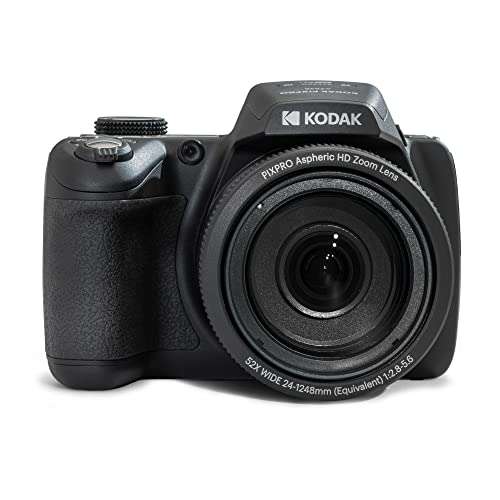
Find the right camera for soccer games, from sideline zoom and focus tracking to evening light performance, battery stamina, and venue rules.
A soccer match is a long, wide, and fast moving subject, and a camera built for holidays or portraits can struggle to keep up. This guide to the best cameras for soccer games explains the features that matter on the sideline, from following play across a full pitch to filming clearly under evening lights. Use the comparison table below to shortlist options, then run each one against the checklist before you buy.
Soccer filming has its own rhythm. Play swings from one end to the other, players bunch together and then spread out, and a goal can arrive with no warning. Parents, coaches, and club volunteers usually film from a fixed spot on the touchline, so zoom reach, steady framing, and stamina matter more than exotic features. The sections below are written for that sideline reality, with practical guidance for best cameras to record soccer games from youth matches to adult leagues.


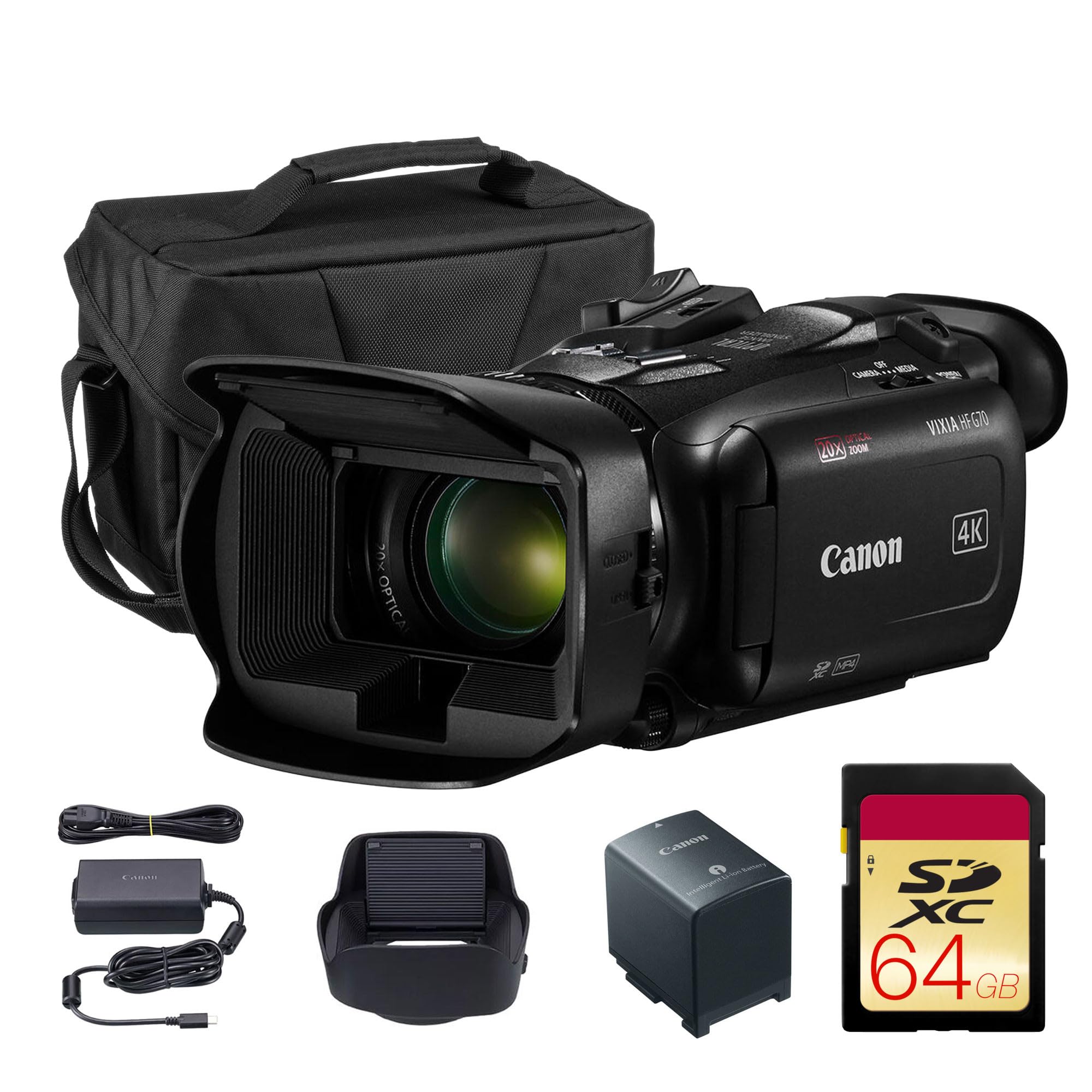
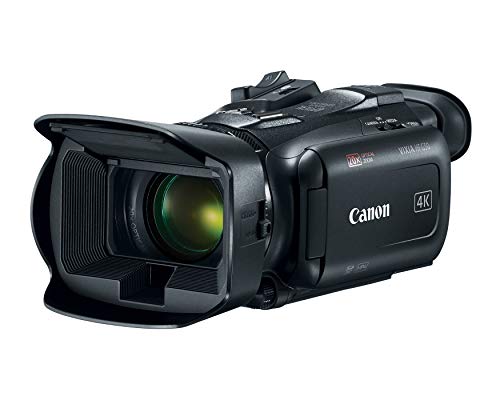

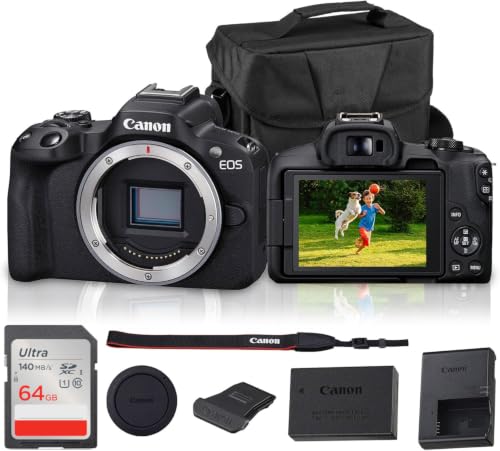


What Makes a Soccer Game Camera Different
Soccer asks a camera to do several hard jobs at once. It must follow a ball and twenty two moving players, hold focus as play switches ends, and cope with bright sun on one half of the pitch and shade on the other. A camera that excels at still photos may still fail here, because video focus tracking, zoom control, and heat management matter more than a single sharp frame. The checklist below separates the features that genuinely help on a soccer sideline from the ones that only look good on a specification sheet.
Features That Matter for Soccer Games
For soccer, focus tracking is the single most important feature, since the ball and the key player change constantly. Look for a system that can follow a chosen player across the frame and recover quickly when another player crosses in front. Smooth zoom control matters too, because jerky zooms distract viewers more than a slightly wider shot. A camera that records a full match without overheating, and that keeps its exposure steady as clouds pass over, will produce far more watchable footage than a more powerful camera that stops or flickers.
Sensor Size and Image Quality
Sensor size shapes how clean your footage looks, particularly for evening games under floodlights. Larger sensors generally handle low light better, while smaller sensors keep cameras lighter and more affordable. Do not choose on megapixels alone, since video uses only part of the sensor and processing plays a large role. For soccer, clean footage at moderate sensitivity is more valuable than extreme resolution, because most match video is watched on phones, laptops, or club screens rather than projected at cinema size.
Ease of Use for Your Skill Level
Most soccer filming is done by volunteers, parents, or coaches who also have other jobs on match day. Reliable automatic modes, a clear record button, and simple exposure lock are therefore worth more than deep manual menus. App transfer helps when highlights must go out quickly after the final whistle, but test the app before match day so a failed transfer does not delay the team video. A camera that a helper can pick up and run confidently is a real asset for a club.
Lens and Zoom Range
From the touchline, you need enough zoom to show the far side of the pitch without losing detail, and a wide enough view to follow play near your own position. Optical zoom is the figure that counts, since digital zoom crops the image and softens it. A zoom that reaches the equivalent of about 200 mm or more suits full sized pitches, while smaller youth pitches need less reach. Practice zooming smoothly during a training session, since a practiced hand produces steadier footage than any stabilization system alone.
Low Light Performance
Evening and winter matches test a camera hardest. Floodlights look bright to the eye but are often uneven, with dark corners and bright patches that confuse automatic exposure. A camera with good high sensitivity performance and a lens that gathers plenty of light will keep players visible in the shadows without turning the footage grainy.
Manual exposure lock helps here, since it stops the picture brightening and darkening as play moves between lit and shaded areas. Test any camera at a real evening game before relying on it for an important fixture.
Size, Weight, and Ergonomics
A soccer camera may be handheld for ninety minutes or mounted on a tripod for the whole match, so comfort and balance matter. A heavy body with a long lens strains arms quickly, while a tiny body can be hard to hold steady in wind. Check the grip, the tripod socket position, and whether the screen stays visible in sunlight. If you travel to away grounds, think about the whole kit, including tripod, spare batteries, and rain cover, and choose a bag that keeps it organized and protected.
Battery Life and Charging
A full soccer match, plus warm up and extra time, can run well past ninety minutes, so battery stamina is a deciding factor. Compare video recording times rather than still photo ratings, and remember that cold evenings, 4K recording, and constant autofocus all shorten run time. A camera that charges over USB C can be topped up from a power bank at halftime. Always carry a spare battery and a spare memory card, and test your real world run time at a friendly match before a cup game.
Spending Bands for Sideline Filmmakers
Thinking in spending bands helps you match a camera to how often you film and how seriously the footage will be used. The bands below describe what each level typically offers for soccer, without naming individual products.
The Family and Volunteer Band
This band suits parents and volunteers filming youth games a few times a month. Expect dependable autofocus, usable 4K video, and a zoom range that covers small and mid sized pitches, with some compromise under floodlights. The money saved can go toward a tripod, a spare battery, and a fast memory card, which improve match footage more than a small step up in camera body alone. This is a sensible starting point for most families.
The Regular Club Filmmaker Band
Filming weekly for a club, or producing edited highlights, justifies a step up. This band usually brings faster and stickier focus tracking, longer zoom reach, better low light video, and stronger weather sealing for wet match days. If your footage is shared with players, coaches, or a league channel, the improvement in consistency across a whole season is easy to see. A sturdy tripod and a rain cover are worth adding at this level too.
The Dedicated Analyst and Creator Band
The highest band serves coaches who analyze tactics, creators who publish polished match content, and clubs that film several teams every week. It offers the fastest focus systems, the longest lenses, the cleanest evening footage, and bodies built for heavy use in all weather. Before spending here, check that your editing computer and storage can handle large 4K files comfortably, since the best footage is only useful if you can edit and share it without long delays.
Quick Buyer Checklist
Ask these questions before you buy:
- Can the autofocus track a player across the full width of the pitch?
- Does the zoom reach the far touchline from your usual filming spot?
- Will the battery last a full match plus extra time?
- Does evening footage stay clean under floodlights?
- Is the camera steady on a tripod in wind, and comfortable handheld?
- Can you lock exposure so the picture does not flicker as clouds pass?
- Does the venue allow filming, tripods, and your chosen filming position?
- Can you transfer, edit, and share the footage easily after the match?
Red Flags to Watch For
Watch out for zoom claims that mix optical and digital figures, for missing recording time limits, and for listings that hide sensor size or battery life. Very short warranties, vague maker support, and clusters of nearly identical short reviews are all reasons to pause. Overheating during long recordings is a particular risk for soccer, since a camera that stops at halftime misses the second half entirely. If a listing cannot state its frame rates, run time, and weather sealing plainly, look elsewhere.
How to Make Your Camera Last Longer
Use a proper lens cloth, not your shirt, to clean the lens, since cloth fibers can drag grit across the glass. Keep spare batteries warm on cold match days, and store the camera in a dry, padded bag between games. Wipe the body down after wet or muddy fixtures, check the tripod socket and mount screws regularly, and format memory cards in the camera to reduce file errors. A simple rain cover protects both camera and lens during downpours, and it costs far less than a repair.
Frequently Asked Questions
What features matter most in cameras for soccer games?
Focus tracking, zoom reach, battery stamina, and low light performance matter most for soccer games. A camera that follows play across the pitch, reaches the far touchline, lasts a full match, and stays clean under floodlights will serve a club better than one with higher resolution but weak tracking. Steady framing is the next priority, whether from a tripod or from practiced handheld work. For best soccer cameras in general, the same four features decide most purchases, so judge every option against them first.
How much should I spend on my first soccer camera?
A first soccer camera usually costs about $300 to $800, depending on how often you film and the size of the pitches. That band covers reliable autofocus, usable 4K video, and enough zoom for youth and amateur games. Spending less can work for short, well lit clips, but floodlit footage and focus tracking often suffer. Spending more makes sense once you film weekly, cover full sized pitches, or produce edited highlights for a club channel.
What specs matter most for beginners filming soccer?
Beginners should look for reliable automatic focus, simple controls, good battery life, and a zoom range that suits their usual touchline spot. A flip screen helps you check framing in sunlight, and exposure lock stops the picture flickering as clouds pass. A camera that is easy to run on match day will capture more good moments than a complex one that needs constant adjustment. As skills grow, microphone input and manual exposure become more useful, so choose a camera that offers both automatic ease and room to learn.
Which camera setup is better for low light evening games?
A larger sensor with clean high sensitivity performance usually beats a smaller sensor for evening soccer, even at the same resolution. A lens that gathers plenty of light helps too, since it reduces how hard the sensor must work. For floodlit games, favor a camera that stays clean at moderate sensitivity settings over one that advertises an extreme maximum figure. Steady support also matters, because smooth, stable footage looks cleaner than shaky footage at the same noise level.
Is a smartphone enough instead of a soccer camera?
A modern phone can capture decent soccer clips in daylight, especially short highlights for quick sharing. Phones struggle with zoom reach across a full pitch, sustained recording in heat, and focus tracking over ninety minutes, and their batteries drain quickly during a match. A dedicated camera offers longer lenses, microphone inputs, tripod mounting, and better stamina for full games. Over a whole season, a dedicated camera is usually the better investment, while a phone stays handy for casual clips.
The Bottom Line
For most sideline filmmakers, the best cameras for soccer games are the ones that track play reliably, reach the far touchline, and keep recording until the final whistle. Start with your pitch size, your usual filming spot, and how often you film, then choose the spending band that fits. Check the product table above against the checklist in this guide, and follow venue rules on filming positions and tripods at every ground you visit.
For trail style cameras that share the game camera name, see our guide to best game cameras so you do not confuse the two uses. Cellular trail models are a different product again, covered in our guide to best cellular game cameras.


