Best Cameras for Shooting at Night in 2026: The Buyer Checklist We Use
Disclosure: We may earn a commission when you buy through links on this page, at no extra cost to you. As an Amazon Associate I earn from qualifying purchases. Learn more

Compare cameras for shooting at night with a clear checklist on sensor size, lens aperture, autofocus, stabilization, video and battery life.
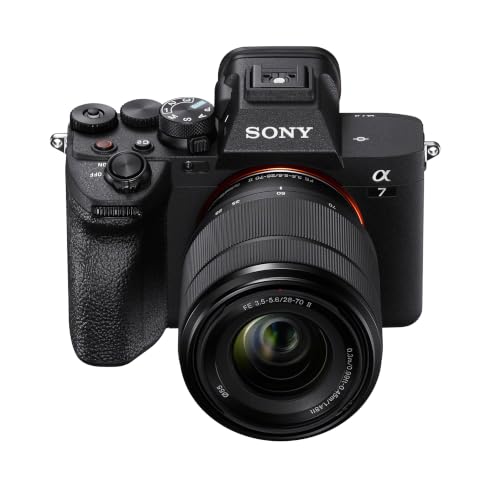
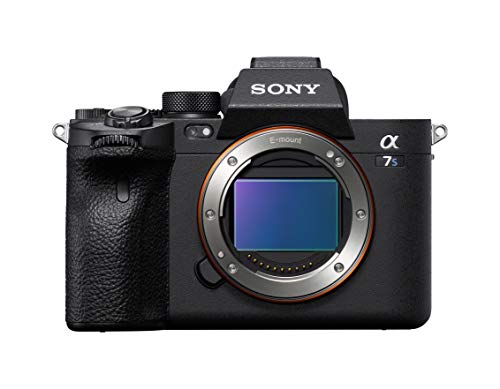
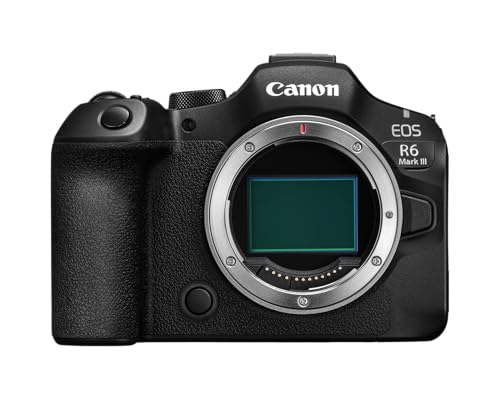
Night shooting punishes weak gear quickly. A scene that looks clear to your eyes can turn grainy and blurred if the sensor, lens and focus system cannot use scarce light. The best cameras for shooting at night solve that problem as a system, and this guide shows how to judge each part. Use the comparison table below to check your short list against the same points.
Start with the work you plan to do after dark. A street scene, a concert and a star field each stress a different part of a camera, so your subject comes first and headline specs second.




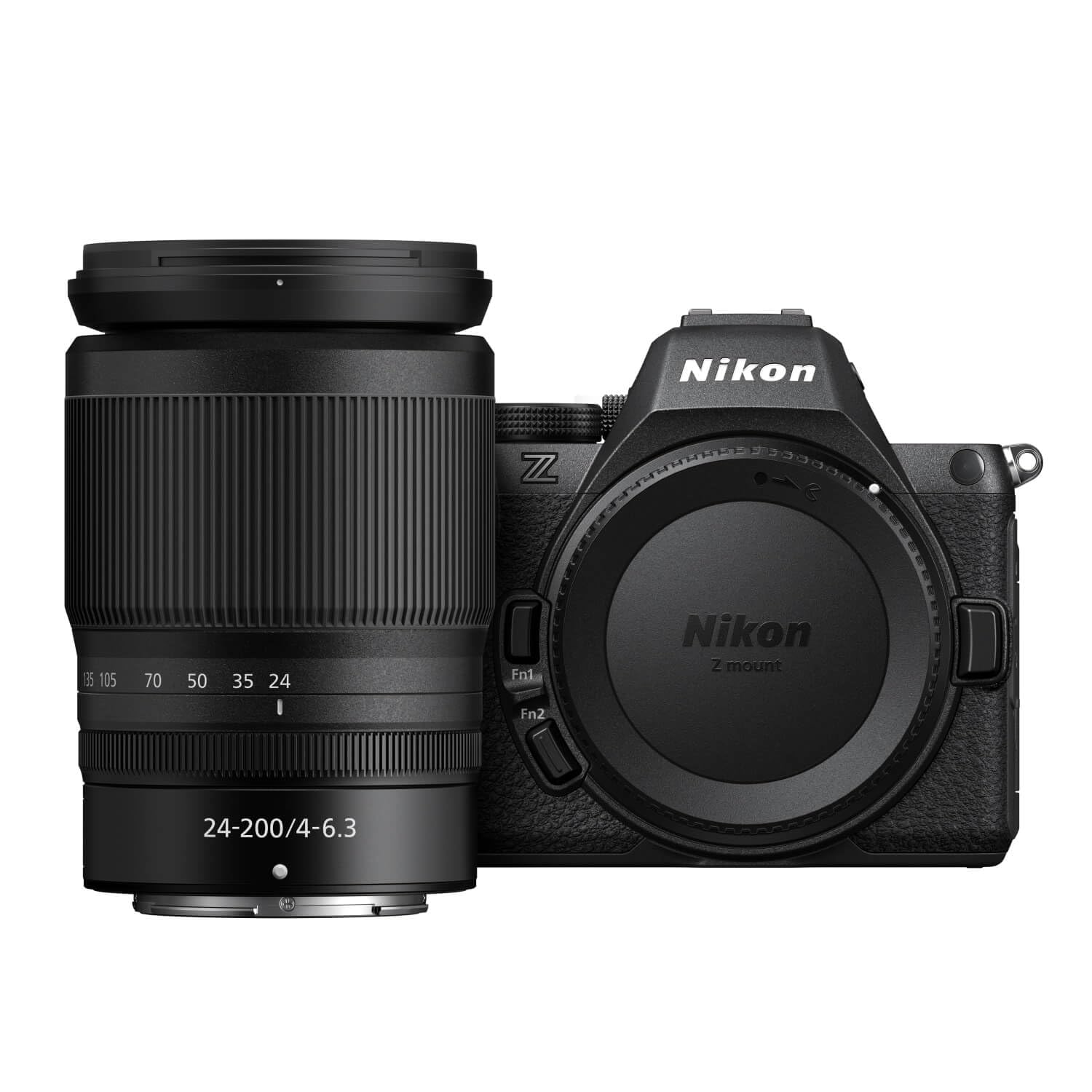

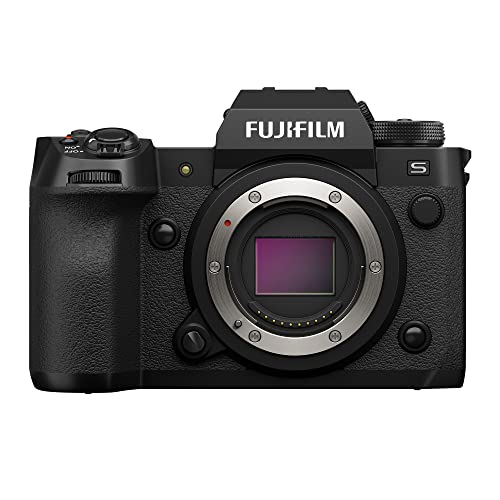
Who Should Buy Which Camera for Night Shooting?
Pick by the night subject you shoot most often. If you need a camera that watches a yard while you sleep rather than one you hold, see our guide to the best security cameras at night instead, since that is a different job.
Street and Travel Photographers Shooting Cities After Dark
You walk, react fast and often shoot without a tripod. Choose a compact mirrorless body with in body stabilization, a fast prime lens around 35 mm and controls you can find by touch. Modest size matters, because a camera left at the hotel captures nothing.
Night Sky and Landscape Photographers
You work slowly from a tripod and care about clean stars and detail at the edges of the frame. Choose the largest sensor you can afford, a wide and fast lens and full manual control over focus and exposure. Easy magnified focus checks matter more to you than burst speed or subject tracking.
Concert, Event and Family Photographers in Dim Rooms
You shoot moving people under mixed light and cannot ask anyone to stand still. Choose strong subject detection, a lens that stays fast through its zoom range and clean files at high ISO settings. Fast card writing also helps at key moments.
Key Features to Compare
Use this order each time you look at a new model. When you compare best cameras for shooting at night candidates this way, a low price cannot hide a weak lens or unreliable focus.
Sensor Size and High ISO Noise
Sensor size sets the ceiling for clean night files. A full frame sensor gathers more light per pixel than a small sensor at the same pixel count, so its high ISO files usually hold smoother tones and less color noise. APS C sensors sit in the middle and pair with smaller lenses. Judge files at the ISO values you plan to use, around ISO 3200 to ISO 12800 for many night scenes, rather than by megapixel count alone.
Lens Aperture and Focal Length
The lens decides how much light reaches the sensor at all. A maximum aperture of f/1.4 to f/2 lets in far more light than a kit zoom at f/4 to f/5.6, which can mean a lower ISO and a faster shutter speed for the same scene. Wide focal lengths around 14 mm to 35 mm suit skies, streets and interiors, while 50 mm to 85 mm suits portraits and stage work.
Autofocus That Still Works in Dim Light
Focus systems lose confidence as light falls, so check the rated low light limit, often stated in EV values, and look for face and eye detection that works in dim scenes. For still subjects, magnified manual focus with focus peaking gives a reliable fallback. If you also track animals at dusk, see our guide to the best cameras for shooting wildlife for reach and tracking points beyond this night checklist.
Stabilization and Support for Long Exposures
In body or lens stabilization can save hand held shots at shutter speeds around 1/15 to 1/60 of a second, buying several stops before blur appears. It cannot freeze a moving person, so subject motion still sets your floor. For exposures of several seconds, turn stabilization off on a solid tripod and use a remote release or a short timer.
Night Video, Screens and Battery Life
For video after dark, look for 4K recording, a microphone input and a screen that flips toward you. A screen that dims low enough for dark locations protects your night vision. Carry a charged spare and prefer USB C charging, because long exposures and cold air drain batteries fast. Film leaning creators can also see our guide to the best cameras for shooting movies.
Extra Checks for Night Sky and Low Light Goals
Two common night goals need extra checks beyond the general list above.
Best Cameras for Shooting Night Sky: What to Check
For best cameras for shooting night sky work, lens choice matters as much as the body. Choose a wide lens around 14 mm to 24 mm with a fast aperture, check that stars stay sharp near the corners at that widest setting and confirm a Bulb mode or long timed exposures. An interval timer for stacked frames is a useful extra on long nights outdoors.
Best Canon Cameras for Shooting Night Sky
Shoppers set on best canon cameras for shooting night sky options should apply the same sky checks inside that one lens system. Confirm that a fast wide lens exists for the mount you are buying, that the body allows manual focus with magnification and that high ISO files stay clean to at least ISO 3200.
Night Shooting Questions Before You Buy
Answer each question for the exact body and lens pairing you plan to buy, not for a lens you hope to add later.
- Can the sensor give clean files at the ISO values your scenes need?
- Does the lens reach f/2.8 or wider at your most used focal length?
- Can focus lock onto your subject in light as dim as your venue?
- Do you have stabilization or a tripod plan for slow shutter speeds?
- Can you set focus, aperture and shutter speed fully by hand?
- Will one battery last your session, and do you own a spare?
- Does the screen dim low enough for comfort in a dark place?
For a wider view of the same low light problem, see our guide to the best night time cameras.
Common Mistakes to Avoid
These errors cost money or ruin a first night out.
- Buying on megapixel count alone leaves you with files that fall apart at high ISO settings.
- Pairing a strong body with a slow kit zoom starves the sensor of light in every frame.
- Hand holding long exposures without support turns sharp scenes into soft, streaked images.
- Trusting the highest ISO number on the box misleads you, because files there are often too noisy to use.
- Heading out with one partly charged battery ends a session early on a cold night.
- Ignoring screen brightness in the dark tires your eyes and makes focus checks harder.
Care and Maintenance for Night Cameras
Clean the front lens element with a soft lens cloth and a blower, never with your shirt, because grit in fabric can scratch coatings. Keep the sensor covered when you swap lenses and change lenses inside a bag or a car on dusty nights. A padded, dry bag protects the body on the walk home.
At home, let a cold camera warm up slowly inside its closed bag so condensation forms on the bag rather than on the lens. Keep a spare battery in an inside pocket on cold nights so body warmth preserves its charge. Check straps and tripod plates monthly.
FAQ
What features matter most in cameras for shooting at night?
A fast lens and a capable sensor matter most, with reliable focus close behind. One point buyers miss is the quality of the magnified focus view, because a coarse preview makes precise manual focus on a star or a distant sign guesswork. Try that view in a dim shop corner before you commit.
How much should I spend on a first camera for shooting at night?
A sensible first budget is about $600 to $1,200 for a body and one fast lens bought as a pair. Split that money with the lens in mind, because glass keeps its usefulness across later bodies. Hold back a small share for a tripod and a spare battery, since those plain items rescue more night sessions than a minor step up in body class.
Which camera type is better for low light shooting, mirrorless or DSLR or compact?
Mirrorless cameras suit most night buyers best, because the live exposure preview shows brightness before you press the shutter. A DSLR can still shoot well, but its focus points cluster near the center. A compact wins on size, yet its small sensor gives up clean high ISO range that night scenes demand.
Do beginners need a full frame camera for shooting at night?
No, beginners do not need a full frame camera for night work. An APS C body with a fast prime lens can produce clean, pleasing night photos while costing and weighing less. Learn exposure and focus in the dark first, and move up only when your files show a clear limit that a larger sensor would actually fix.
Is a smartphone enough instead of a dedicated camera for shooting at night?
A smartphone is enough for casual snapshots of still scenes, because its night mode stacks frames to brighten shadows. It falls short when subjects move, when you want a large print or when you need a long exposure you fully control. A dedicated camera also gives a real choice of focal length, which changes the picture itself, not only its brightness.
Our Verdict
Judge every candidate as a system of sensor, lens, focus and support, in that order, and let your most common night subject lead. Street shooters should prize size and stabilization, sky shooters fast wide glass and manual control, and event shooters focus and clean high ISO files. Then check your final choice against the product table above.
When you weigh best cameras for shooting at night this way, the right pick is rarely the one with the longest spec list. It is the pairing you can focus, power and hold steady in the dark, night after night.