
Best Cameras for Reels: A Buying Guide for 2026
Disclosure: We may earn a commission when you buy through links on this page, at no extra cost to you. As an Amazon Associate I earn from qualifying purchases. Learn more

Learn how to choose the best cameras for reels: vertical framing, autofocus, low light performance and fast phone transfers, with clear price bands.
Phone footage looks fine until the light drops, the subject moves, or you need a closer view than your feet can give you. A dedicated camera adds sensor size, real lens choice, and cleaner sound options, and all three show up in every clip you post. This guide explains how to choose the best cameras for reels by starting with the factors that decide this format: how the camera frames a vertical shot, how fast clips reach your phone, and how it behaves under indoor light.
You do not need the most expensive body to post strong daily clips. You need a camera whose framing guides, focus tracking, and transfer speed fit the way you actually shoot. The price bands and feature checks below narrow the field, and the comparison table below gives the short version first.



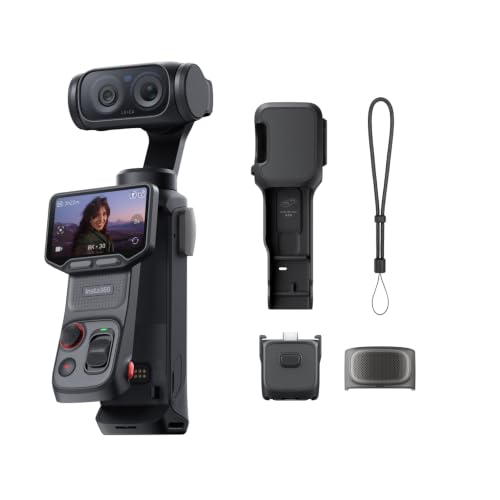


What Each Budget Band Buys
Price bands in this format buy specific things: sensor size, screen design, microphone inputs, and transfer speed.
Entry Band: Under About $400
This band covers simple compacts and older camera classes. Expect 4K recording at basic frame rates, small sensors that struggle in dim rooms, and screens that may not flip for self filming. For daylight shooting, it is enough. Our guide to the best starter cameras covers the same price and control tradeoffs.
Middle Band: About $400 to $900
The middle band is where reels cameras get serious. One inch sensor compacts and entry mirrorless bodies add flip screens, microphone inputs, reliable face tracking, and faster transfers to a phone. Low light clips clean up noticeably, and lenses on mirrorless bodies open up wide and close up looks that a fixed lens cannot reach. Most daily creators should shop here first and spend what is left on light and sound.
Advanced Band: About $900 to $1,800
At this level you are buying larger sensors, stronger low light output, and color profiles that reward grading. Bodies in this band hold focus on moving subjects, record longer without heat warnings, and pair with fast prime lenses for a shallow depth look. Buyers who cross shop the best quality cameras for stills as well as video will find this band covers both jobs if the size still suits daily carrying.
How to Choose the Best Cameras: Buying Guide
Features That Matter for Reels
Reels are a vertical short video class, and the framing and crop classes decide the purchase. Look for native vertical guides on the screen, a sensor and lens pairing that keeps resolution when the tall frame is cropped from a wider shot, and recording modes that mark the safe area for text and captions. A camera that treats vertical as an afterthought costs you sharpness on every clip, because you are throwing away the sides of every frame it records.
Sensor Size and Image Quality
Sensor size sets the ceiling for clean video. One inch compacts are the pocketable step up from a phone, APS C bodies give a clear jump in low light quality and background blur, and full frame goes further at higher cost and size. Megapixel counts matter little for a format delivered at modest resolution; clean high sensitivity output and honest color matter more. Creators who also shoot stills can compare the best cameras for photography for the stills side of these same bodies.
Autofocus and Stabilization
A presenter who moves will defeat weak autofocus in seconds. Face and eye tracking that holds while you walk, gesture, and turn is worth more than any resolution step. Stabilization is the second half of the picture: in body stabilization smooths handheld clips, while stronger digital modes crop the frame, so plan framing with that crop in mind. If you film products on a table, a small tripod beats every stabilization mode.
Lens and Zoom Range
Most reels are filmed close: at arms length or across a desk. Wide lenses suit that distance, and on interchangeable systems one body can serve a wide room shot and a tight product close up just by swapping glass. Fixed lens compacts trade that freedom for simplicity, and their optical zoom range decides how much you can reframe without moving. Read the wide end of any zoom first, because that is the end this format uses most.
Size, Weight, and Ergonomics
A camera that stays home films nothing, so size is a picture quality feature in disguise. Check the grip with the camera held vertically, since that is how you will hold it most of the day. A screen that flips fully lets you frame yourself without a second person or a mirror.
Battery Life and Transfer
The transfer class is the daily class: a camera that fights your phone loses to it. Look for fast WiFi transfers through a stable app, USB C charging, and the option to power the camera while filming long sessions. Battery ratings quoted in stills per charge translate loosely to video, so plan on a spare battery for any shooting day away from home. The best workflow puts a captioned clip on your phone before the moment cools.
Low Light Performance
Indoor reels are light classes before they are camera classes. Larger sensors with fast lenses keep faces clean where small sensors smear detail into noise. Before upgrading a body, add one small panel light and place it near the camera; that single change often beats a sensor step. If you film at night or in venues, weigh sensitivity range and lens aperture together, not the headline number alone.
Types of Cameras
Three types cover this format well. If your output lives on one platform, compare these classes against the best cameras for instagram reels as well, because the priorities overlap almost completely.
Mirrorless Cameras
Mirrorless bodies offer interchangeable lenses, the largest sensors in this guide, and the strongest focus tracking. They are the growth path: start with one versatile lens and add glass as your style settles. The costs are size, price, and setup time. Creators who want one camera for reels, photos, and longer videos should start here, and the best digital cameras overview shows the wider market.
Point and Shoot Compacts
Compacts with one inch sensors are the pocketable answer: fixed lens, simple controls, and quality a clear step above a phone in good and middling light. Better classes add flip screens, microphone inputs, and product showcase focus modes made for creators. You give up lens choice and some low light reach, and you gain a camera that is simply always with you.
Action Cameras
Action cameras are tiny, rugged, and very wide, which makes them natural for sports, travel, and mounted shots where a bigger body cannot go. Stabilization in this class is excellent, and the wide view suits movement. The limits are a small sensor that struggles indoors and a fixed ultra wide look that flatters nothing up close. Treat an action camera as a second camera for the shots your main body cannot take, not as the main body itself.
Setup and Care Tips
- Clean the lens with a proper lens cloth, not your shirt, because front elements sit exposed on compacts and action cameras all day.
- Carry a spare battery and a spare card, and format cards in the camera before a shooting day, not after a failure.
- Store the kit in a dry, padded bag, away from bathroom steam and car heat, both of which age batteries and fog lenses.
- Update firmware when makers release autofocus and stability improvements, since video focus behavior is often the thing that improves.
- Set your vertical guides and grid once, save them in a custom mode, and start every shoot from the same known setup.
Cameras: Your Questions Answered
What features matter most in cameras for reels?
Vertical framing support, tracking autofocus, and a flip screen matter most. A camera can have a superb sensor and still frustrate you daily if it cannot show the tall frame, hold focus, or let you see yourself while filming. One point buyers miss: the microphone input matters more than a modest resolution step, because viewers forgive soft pictures far sooner than they forgive echoing, distant sound.
Is a smartphone enough for making reels?
Often, yes, especially when you are starting out and posting daily. A current phone handles daylight clips well, transfers instantly, and needs no extra workflow. A dedicated camera pulls ahead in indoor light, lens choice, depth control, and sound options. The honest test is your last ten clips: if the flaws you see are noise, blur, and weak audio, a camera fixes them. If the flaws are ideas and consistency, no camera will.
Which sensor size is better for low light reels?
Larger sensors are better for low light reels, because each pixel gathers more light and the footage stays clean at higher sensitivity settings. APS C is the practical sweet spot for most creators, with full frame ahead at higher cost. One caution: a fast lens can matter more than one sensor step, so a smaller sensor behind a wide aperture lens may beat a larger sensor behind a slow kit zoom in the same dim room.
How much should a first time reels creator spend on a camera?
Most first time creators should land in the middle band, about $400 to $900, where flip screens, microphone inputs, and reliable tracking appear together. Spending less often means replacing the camera within a year; spending far more buys quality your audience may never see at phone screen sizes. Whatever band you choose, reserve part of the budget for a small light and a microphone, because those two accessories lift every clip the camera makes.
Do cameras for reels need 4K video?
4K is useful but not required. Its real value for this format is cropping room: recording wide in 4K lets you extract a sharp vertical frame and reframe in the edit without losing detail. Delivery resolution is lower, so a clean 1080p camera with good focus and light can outperform a weak 4K one. Frame rate deserves equal attention, since higher rates open up smooth slow motion for product and action clips.
Wrapping Up
Decide by framing, light, and transfer, in that order. A camera that frames the tall shot well, holds focus on your face, behaves in your rooms, and hands clips to your phone without a fight will serve you better than a spec sheet champion. Use the product table above to compare the bands and types side by side. The best cameras for reels are the ones that disappear into your routine and let the posting habit do the rest. Prices and availability can change, so check the product page before ordering.
