Best Cameras for Photojournalism by Budget for 2026
Disclosure: We may earn a commission when you buy through links on this page, at no extra cost to you. As an Amazon Associate I earn from qualifying purchases. Learn more

Compare the best cameras for photojournalism by budget, and learn which speed, sensor, lens, and build features matter most on real assignments.
Photojournalism gear spans a wide price range, from used bodies that cost less than a month of rent to pro kits that cost more than a car. Knowing where the money actually changes your pictures matters more than the total. This guide walks through the best cameras for photojournalism tier by tier, so you can see what each budget level buys and where spending more stops helping.
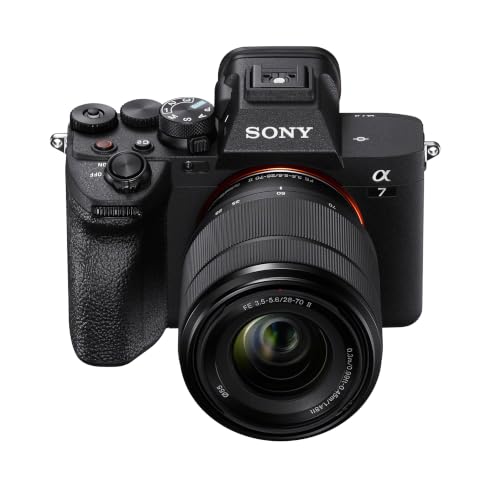
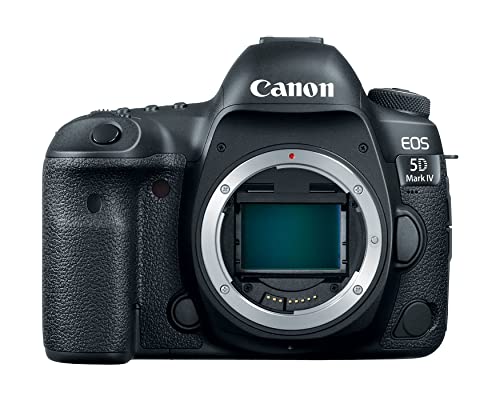
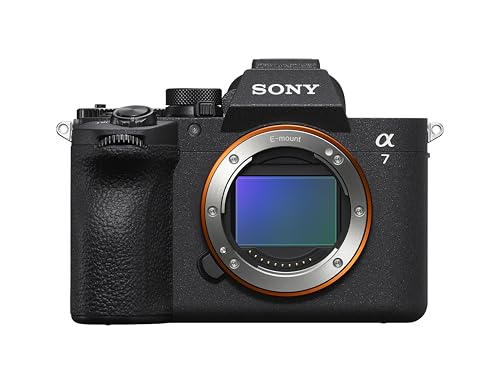
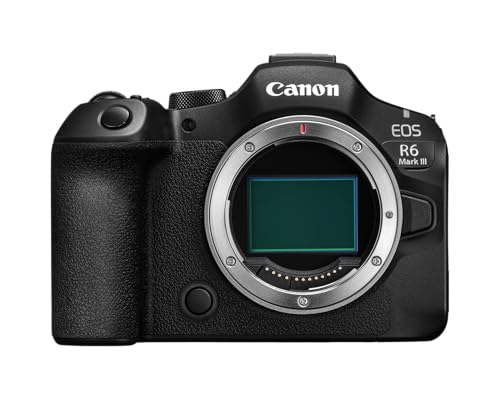
The work itself sets the priorities. This is speed driven work: the camera that wakes fast, locks focus, and fires without hesitation decides whether the frame exists at all, and a slow camera simply misses the moment. The comparison table below lines up the main camera classes side by side, and the sections after it explain how those classes behave on real assignments.






Start With the Assignment, Not the Price Tag
Two photographers can spend the same money and need opposite kits. The deciding factor is the kind of work: frantic spot news, slow documentary projects, and paid stringer shifts each punish a different weakness. Match the camera class to the assignment first, and the budget tiers later in this guide will sort themselves.
Spot News and Daily Assignments
Spot news work is measured in seconds. A body that wakes instantly, focuses in dim light, and writes files fast earns its place here, paired with a standard zoom that covers wide scenes and tight portraits without a lens change. Weather sealing matters because news does not wait for dry days. Burst speed matters less than readiness: ten frames per second means nothing if the first frame comes late.
Long Form and Documentary Work
Documentary projects trade speed for endurance and discretion. Smaller mirrorless bodies draw less attention, quiet shutters help indoors, and strong low light performance matters more than burst rate because much of the work happens in homes, halls, and evening streets. Prime lenses with fast apertures suit this class well. Battery life across a long day and a body that survives weeks of travel matter more than headline specifications.
Students and New Stringers
New shooters need controls they can learn on, not features they will never open. A used DSLR or an entry mirrorless body with a kit zoom teaches exposure, focus, and timing at a low price, and it leaves money for a fast prime later. Durability counts because student gear rides in backpacks, not padded cases. The goal at this level is a camera that stays out of the way while skills grow.
What Your Money Gets You at Each Price Tier
Every tier below assumes a digital workflow of shooting, editing, and filing from the field. Readers who want the digital side compared in more depth can see our guide to best digital cameras for photojournalism, which covers file handling and delivery in detail.
Budget Tier: What to Expect
For about $500 to $1,000, expect used DSLR bodies and older mirrorless models with kit zoom lenses. Focus is slower, buffers fill quickly, and high ISO files need care, but the pictures are publishable and the controls are fully manual. This tier overlaps the entry end of the wider best digital cameras market, so general bargains appear often. Buy the lens mount you plan to keep, because lenses outlast bodies.
Midrange Tier: Where Working Kits Take Shape
For about $1,000 to $2,500, focus tracking becomes reliable, buffers deepen, and dual card slots appear, writing the same frame to two cards at once. Weather sealing improves, and fast standard zooms enter the budget. Most working stringers and staff photographers at small outlets live in this tier because it removes the common failure points of the budget class without the price of flagship speed. This is the tier where a kit stops limiting the work.
Premium Tier: When the Body Earns Its Keep
For about $2,500 to $5,000, flagship bodies add the fastest focus systems, deep buffers that rarely stall, and the toughest build classes in the range. Silent shooting helps in courtrooms and ceremonies. You also buy into faster repair networks and loaner programs, which matter when a body fails before a big assignment. The images are not automatically better; the missed frames simply get rarer.
Features Worth Paying For (and Ones to Skip)
Readiness and Focus Speed
Readiness is the feature this whole field turns on. This work is a speed class: the camera that is awake, focused, and ready decides whether the frame exists, and a slow camera misses the moment for good. Judge wake time from sleep, focus lock in poor light, and how fast the buffer clears after a burst. Published burst numbers are maker lab figures, so read them as class figures and weight the handling you can feel in a shop.
Sensor Size and Image Quality
Full frame sensors gather the most light and hold up best at high ISO settings, which suits night and indoor work. APS C bodies cost less and make lenses effectively longer, a quiet advantage at sports and press conferences. One inch compacts serve as pocket backups only. Megapixels past the mid twenties add file size more than publishable detail. Skip extreme pixel counts and pay for aperture instead.
Build and Weather Sealing
Rain, dust, and crowd crushes are normal field conditions, so sealed bodies and lenses are working tools, not luxuries. Magnesium alloy shells shrug off knocks that crack plastic ones. Readers comparing build quality across the wider best quality cameras market will find the same pattern: sealing and shell material separate working gear from consumer gear. Check that your chosen lens is sealed too, since a chain fails at its open link.
Battery Life and Charging
A working day can run past a thousand frames, so shots per charge decide whether you carry two batteries or four. Mirrorless bodies rate lower than old DSLR bodies here, and cold weather cuts the count further. USB C charging helps because a power bank in a coat pocket can top up a body between assignments. Turn off wireless features you are not filing with, since they drain quietly.
Lens and Zoom Range
The standard zoom class covering wide to short telephoto lengths handles most news work, and a fast prime covers the dark interiors. Long superzoom lenses promise everything in one barrel, and they sell well to travelers reading best cameras for photography guides, but their slow apertures fail exactly when news light gets bad. Skip the all in one zoom. Spend on one fast lens before a second body.
Best Cameras for Specific Needs
Best Cameras for Photojournalism College Students
Student buyers need the lowest price that still teaches real technique, and that usually means a used body from the budget tier with full manual controls. Course kits often start from the same entry pool as best starter cameras, then add one fast prime when money allows. A tilting screen helps with odd angles at campus events, and a mount shared with the school fleet lets students borrow lenses. Avoid paying for video extras, since stills craft is the course. Durability and a cheap replacement cost matter more than newness.
Long Term Costs to Factor In
Bodies are the cheap part of a long career. Lenses hold value for a decade, so the mount you choose now sets your spending for years. Budget for memory cards in pairs, spare batteries, sensor cleaning, and one repair you did not plan. Working shooters also treat a second body as part of the purchase, not a luxury: assignments do not pause for a repair, and a backup body with a different lens mounted is the standard working habit. Insurance for professional use adds a yearly cost worth pricing before you commit to a tier.
Cameras: Your Questions Answered
What features matter most in cameras for photojournalism?
Focus speed and readiness matter most, because a missed moment cannot be reshot. After that come weather sealing, dual card slots, and a standard zoom with a fast aperture. One feature buyers underrate is a silent electronic shutter, which opens up courtrooms, funerals, and quiet ceremonies where a loud shutter would end your access. Screens, video modes, and pixel counts sit far below those working basics.
Which sensor size is better for low light photojournalism work?
Full frame sensors hold detail and color better at high ISO settings, so they lead for night and indoor assignments. The gap narrows fast when lenses differ: a fast prime on an APS C body often beats a slow kit zoom on a full frame body in the same dark room. Buy aperture first and sensor size second if the budget forces a choice.
How much should a beginner spend on a first photojournalism camera?
About $500 to $1,000 buys a used body and kit zoom that can handle real assignments while you learn. Keep roughly a third of the whole budget aside for a fast prime lens, cards, and a spare battery, since those pieces shape your pictures more than a newer body would. Upgrade the body only when its focus or buffer starts costing you frames.
Is a smartphone enough for photojournalism assignments?
A smartphone can file a breaking spot news image and it is better than no camera at all. Most editors and wire services still expect interchangeable lens files for planned assignments, because phones crop poorly, struggle in low light, and offer no long lens option. Treat the phone as an emergency backup and a filing tool, not as the kit itself.
Why do photojournalists carry two camera bodies?
Two bodies let a photographer keep a wide zoom on one and a long lens on the other, so no lens change happens in rain, dust, or a moving crowd. The second body is also instant insurance: if one body fails, the assignment continues. Many shooters set the two bodies to identical menus and colors so files from both edit together without extra work.
Final Thoughts
Sort your choice by the assignment first, then by tier. Speed and readiness decide whether the frame exists, build decides whether the camera survives the season, and lenses decide the look for years. The product table above gathers the main classes in one place for a final comparison. Whichever tier you choose, the best cameras for photojournalism are the ones that stay ready, stay sealed, and never make you think about the tool instead of the moment.