
Best Cameras for Photo Shoots for 2026: Spending Levels That Make Sense
Disclosure: We may earn a commission when you buy through links on this page, at no extra cost to you. As an Amazon Associate I earn from qualifying purchases. Learn more

Learn how to choose the best cameras for photo shoots at each budget, which features matter for portraits and clothing work, and what extra costs to plan for.
Camera prices on the market cover a very wide range, and the most expensive body is not always the smartest buy for a planned shoot. The best cameras for photo shoots are the ones that match your subject, your light, and the way you work, without forcing you to pay for power you will rarely use. This guide explains where money makes a real difference and where it does not, so you can spend with confidence. The comparison table below gives you a quick way to compare the main types side by side before you read the detail.
A photo shoot rewards preparation more than raw specifications. You need reliable focus, natural skin tones, enough detail for cropping, and files that stay clean when light drops. You also need a camera that feels comfortable through a long session and does not slow you down when a pose changes. The sections below walk through spending levels, the features that truly matter, situation specific choices, and the extra costs that often surprise new buyers.



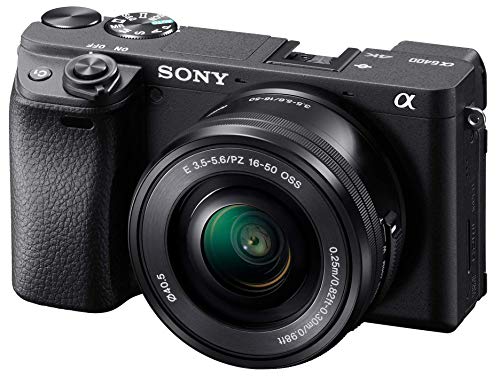


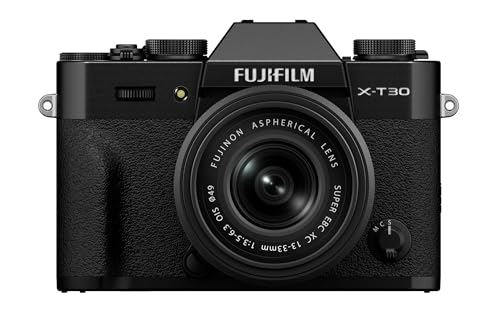
How Spending Levels Shape a Photo Shoot Camera
Think of your budget as a set of trade offs rather than a simple ranking from bad to good. A modest camera can produce lovely portraits in good light, while a pricier body adds steadier focus, cleaner high ISO files, and faster handling when conditions get harder. The right level depends on how often you shoot, how large your final images need to be, and how much low light work you expect. Start with the work you actually do, then choose the level that covers that work well.
Modest Spending: What to Expect
At a modest price, around $300 to $600, you can expect a capable sensor, dependable automatic modes, and a kit lens that covers everyday portraits and group shots. Focus may be slower in dim rooms, and the body may feel lighter and less sealed against dust and rain. For outdoor shoots in daylight, family portraits, and simple product photos, this level is often plenty.
Middle Spending: The Balanced Choice for Most Shoots
In the middle range, about $600 to $1,200, you gain faster and more reliable autofocus, better tracking for moving subjects, and cleaner images at higher ISO settings. Controls are usually easier to reach, screens tilt for low or high angles, and battery life improves. This level suits regular portrait work, small events, and clothing shoots where color accuracy and consistent focus matter from frame to frame. It is the level most shooters settle into once they work with clients or shoot every week.
Higher Spending: When Extra Cost Earns Its Keep
Above about $1,200, you pay for larger sensors, deeper weather sealing, dual card slots, and focus systems that lock onto eyes even in tricky light. These gains matter most for paid work, large prints, and shoots where you cannot repeat a moment. A higher end body also tends to pair with a wider lens range and stronger build for daily professional use. If you shoot rarely or mainly for fun, this level may add weight and cost without a visible gain in your finished photos.
Features Worth Paying For and Features to Skip
Not every feature on a spec sheet changes your photos. For shoots, focus accuracy, color, and handling beat headline numbers. Features worth paying for are the ones that help you catch the moment, keep skin tones natural, and work smoothly under pressure. Features to skip are the ones that sound impressive but rarely affect a still photo, such as extreme video frame rates when you mainly shoot stills, or a huge zoom range that sacrifices sharpness at the long end.
What a Shoot Demands From a Camera
A shoot demands focus that stays on your subject, even when the subject moves a little between poses. Look for reliable eye detection, a good number of focus points, and a burst rate that lets you catch a natural expression without filling cards with near duplicates. Color matters too, because warm, even skin tones save editing time. A screen that tilts helps you frame from waist level or overhead without crouching into awkward positions, and a quiet shutter helps in calm indoor settings.
Sensor Size and Picture Quality
Sensor size shapes depth of field, low light performance, and how much you can crop. A one inch sensor suits compact cameras and bright light work, while an APS C sensor gives a useful step up in detail and background blur for portraits. A full frame sensor offers the cleanest high ISO files and the softest backgrounds, but it also brings larger lenses and a higher price. Megapixels alone do not decide quality, so weigh sensor size, lens sharpness, and focus together rather than chasing the highest pixel count.
Ease of Use for Your Skill Level
A camera that confuses you will cost you shots. Beginners benefit from clear automatic modes, a simple menu, and quick transfer to a phone through an app for previewing and sharing. More experienced shooters want direct dials for aperture, shutter speed, and ISO, plus custom buttons for focus modes.
Try the grip and button layout in your hands if you can, because a body that feels awkward during a two hour shoot will slow every adjustment.
Working in Low Light
Low light separates capable shoot cameras from frustrating ones. Look for clean images at ISO 1600 to 3200, a lens with a wide maximum aperture, and focus that still works in a dim room. Image stabilization helps when you shoot handheld at slower shutter speeds, especially with longer lenses.
A camera with a usable electronic viewfinder in dark rooms also helps you judge exposure before you press the shutter. If much of your work happens indoors, give low light performance more weight than extra resolution.
Choosing a Camera for Your Situation
Your situation should narrow the choice faster than any spec list. Studio portraits need accurate color and tethered shooting options, while outdoor sessions need weather resistance and a light kit you can carry all day. Event work needs fast focus and strong battery life, and travel shoots need a compact body that does not draw attention. Match the camera to the rooms, light, and subjects you meet most often, and let rarer situations stay secondary.
For a closer look at a related stills choice, see our guide to best photo cameras.
Best Cameras for Photo Shoots for Clothes: Where Your Money Goes
Clothing shoots place special demands on color, detail, and consistency. You need faithful fabric color, sharp texture in seams and knits, and even exposure across a full outfit from head to toe. A camera with good white balance control and a lens that stays sharp across the frame helps garments look true to life.
For a closer look at simple everyday shooting, see our guide to best cameras for point and shoot. Spend first on a lens with honest color and a body that holds focus on a model who shifts pose, then add lighting and a neutral background before chasing a larger sensor.
Long Term Costs to Factor In
The body is only the first cost. Lenses, spare batteries, memory cards, a sturdy bag, and cleaning supplies add up over the first year, and a second lens for portraits or wider rooms may matter more than a pricier body. Consider warranty terms, repair access, and the cost of replacing a worn battery or a damaged card.
If you plan to print large, budget for editing software and calibrated viewing as well. For instant style shooting on the side, see our guide to best instant photo cameras. Adding these costs early gives a truer total than the body price alone, and it helps you avoid a setup that feels incomplete.
Think about power and storage for a full shoot day. A second battery prevents a stopped session, and fast, reliable cards protect you when you shoot bursts. A simple backup habit, such as copying files to two places after each shoot, protects client work far better than any single feature.
For a broader digital stills comparison, see our guide to best digital cameras. If you like a compact option for casual days, see our guide to best point and shoot digital cameras.
Cameras: Your Questions Answered
What features matter most in cameras for photo shoots?
Reliable autofocus, natural color, and comfortable handling matter most for photo shoots. Eye detection keeps focus on your subject while you adjust framing, and good color science reduces editing time for skin tones. A tilting screen, a quiet shutter, and a grip that suits long sessions also make a real difference. Resolution helps with cropping, but it ranks below focus and color for most portrait and clothing work, so choose a body that nails focus in your usual light before you chase extra pixels.
How much should you spend on your first shoot camera?
Most first time shoot photographers do well around $500 to $900 for a body and kit lens. That range buys dependable focus, clean daylight images, and enough control to learn manual settings without overwhelm. Spend less if you shoot only occasionally in bright light, and spend more only when low light work, paid clients, or large prints enter the picture. Reserve part of your budget for a spare battery, a fast card, and a basic light modifier, because those items improve results immediately.
Which camera handles low light best for shoots?
A larger sensor camera with a wide aperture lens usually handles low light best for shoots. Full frame bodies keep files cleaner at high ISO, and APS C bodies with a fast prime lens close much of the gap for portraits. Focus performance in dim rooms matters as much as sensor size, so check how well the camera locks on in a dark room before buying. Image stabilization and a steady shooting stance help too, but they cannot rescue a lens that is too slow for the room.
Is a smartphone enough instead of a camera for shoots?
A modern smartphone can handle casual portraits in good light, and its computational tricks flatter many snapshots. A dedicated camera still wins when you need a shallow depth of field you can control, clean files for large prints, and lenses that suit different rooms. Cameras also offer faster, more predictable focus and better battery life across a long session. If your shoots are paid work or destined for print, a dedicated camera is the safer choice, while a phone suits quick social content.
Do you need a second lens for a photo shoot?
You do not need a second lens to start, but one extra lens often transforms your range. A short telephoto prime suits flattering portraits with soft backgrounds, while a standard zoom covers group shots and tighter rooms without lens changes. Changing lenses mid shoot costs time and invites dust, so plan which lens fits each part of the session in advance. Start with the lens you use most, then add the second lens once you know which focal length you keep wishing for.
Our Verdict
The smartest buy balances focus, color, and handling for the shoots you actually do. A middle spending body suits most regular shooters, while modest bodies serve daylight work well and higher end bodies earn their price for paid, low light, or large print work. Do not let a single headline spec decide the purchase, and do not ignore running costs such as lenses, batteries, and cards, since the best cameras for photo shoots are the ones you enjoy using through a full session. A camera that stays in your hands produces better photos than a stronger spec sheet left at home. Use the product table above to compare types, then choose the setup that fits your light, your subjects, and your budget.


