Best Cameras for Personal Photography: A Practical Buying Guide for 2026
Disclosure: We may earn a commission when you buy through links on this page, at no extra cost to you. As an Amazon Associate I earn from qualifying purchases. Learn more

Compare the best cameras for personal photography by sensor, lens, autofocus and size, with clear buying guidance for family, travel and everyday photos.
A phone handles snapshots well, yet it struggles at indoor birthdays, school plays, and evening walks where light is low and subjects keep moving. A dedicated camera gives you a larger sensor, a real zoom lens, and controls that help you capture the moments you actually care about. This guide to finding the best cameras for personal photography explains the specs that matter, in plain language, so you can match a camera to your family, your trips, and your budget.
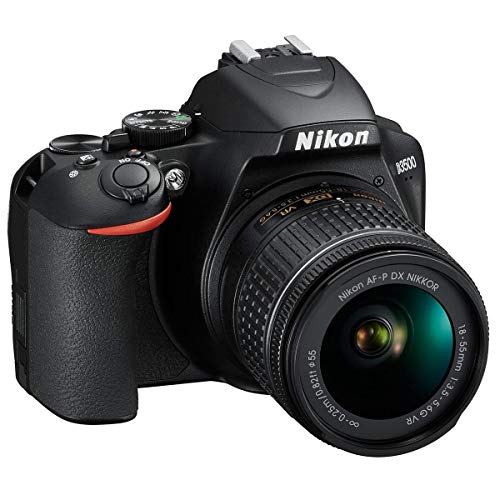
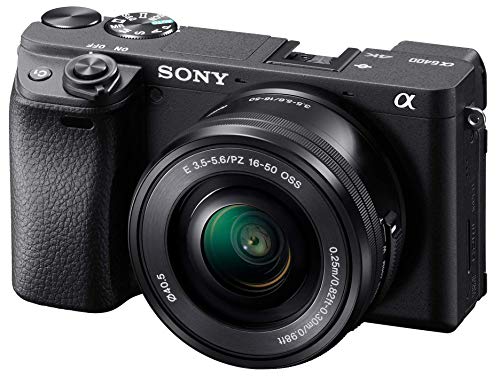
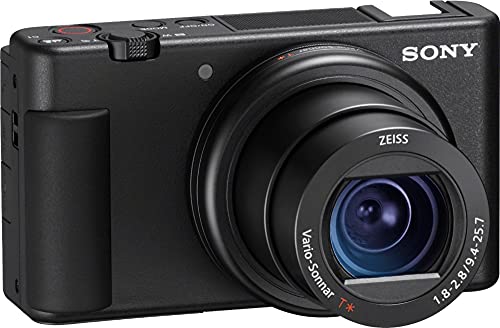
Start with how you shoot most often, then compare sensor size, lens range, autofocus, and size before you spend anything. The comparison table below gathers the key options in one place, and the sections that follow explain how to read those numbers with confidence.






Who Should Buy a Dedicated Camera for Personal Use?
Personal photography means photos of your own life: family, friends, pets, trips, hobbies, and the small daily scenes you want to keep. If you are still weighing the wider category, see our guide to the best cameras for photography for a broader view before you narrow your choice here.
Families Who Want Sharper Photos of Moving Kids and Pets
Children and pets rarely hold still, and indoor light is usually weaker than it looks. Prioritize fast autofocus with face and eye detection, a burst mode that fires several frames in a row, and a lens that lets in plenty of light. A tilting screen also helps at floor level, where much of family life happens.
Travelers Who Want Small Gear and Strong Memories
A camera that feels fine at home can feel heavy after six hours of walking. Look for a compact body, a versatile zoom that covers wide scenes and distant details, and simple charging while you move between hotels. Travelers comparing closely related options may also want to read about the best personal cameras for everyday carry ideas.
Hobbyists Who Want to Learn and Grow Over Time
You want manual settings, room to edit your files, and gear that will not limit you as your skills improve. Cameras with interchangeable lenses suit you best, because you can start with one general lens and add a portrait or wide lens later. If you are brand new to all of this, our overview of the best beginning photography cameras explains the starter terms in more depth.
Key Features to Compare
The product table above lists many numbers, but only a handful shape your everyday results. Work through the factors below in order, and you will see which features separate the best cameras for personal photography from models built for other jobs.
Sensor Size and Image Quality
The sensor records light, and its size affects detail, color depth, and performance after dark. Small sensors in basic compacts measure about 1 inch or less, mid size APS C sensors sit in most hobbyist models, and full frame sensors are the largest common option in consumer cameras. A larger sensor gathers more light per photo, so images stay cleaner at high sensitivity settings. Megapixels matter less than many buyers expect, since about 20 to 24 megapixels already allows large prints and generous cropping.
Lens and Zoom Range
The lens decides what you can frame from where you stand. Zoom is written as focal lengths like 24 to 70 mm, where low numbers capture wide scenes and high numbers pull distant subjects closer. Some listings describe the front glass as the objective lens, but aperture matters more for your results: a wider maximum aperture, shown by a smaller f number, admits more light and softens backgrounds behind portraits.
Autofocus and Image Stabilization
Modern autofocus systems track faces, eyes, and even animals, and they keep following the subject as it moves across the frame. Image stabilization works alongside autofocus by countering small hand movements, which helps at slow shutter speeds and at long zoom settings. Stabilization in the lens, in the body, or in both combined can save shots that would otherwise show shake, especially indoors.
Low Light Performance
Low light results depend on sensor size, lens aperture, and how cleanly the camera handles high ISO settings, which amplify the signal when light is scarce. A camera that looks clean at ISO 3200 gives you far more freedom than one that turns grainy at ISO 800, and it lets you skip the flash so room light stays natural.
Ease of Use and Sharing Your Photos
Clear auto modes, a responsive touchscreen, and simple menus shorten the learning curve for casual shooters. Built in WiFi and Bluetooth let you send images to your phone for quick sharing, which closes the one gap where phones still win. If this is your very first dedicated camera, our guide to the best cameras for starter photography walks through first steps and beginner friendly settings in detail.
Battery Life and Charging
Battery ratings are given in shots per charge, often about 250 to 400 shots for compact mirrorless models under standard test conditions. USB C charging is a genuine convenience, because you can top up from a laptop, a car adapter, or a power bank while traveling.
Durability and Weather Sealing
Weather sealed bodies and lenses use gaskets at buttons and seams to resist dust and light rain, and some rugged compacts are fully weatherproof and safe for pool or snorkeling use. Sealing is resistance, not immunity, so dry the camera after wet outings and keep sand away from lens barrels and dials.
Main Camera Types Explained
Format shapes size, price, and how much gear you carry. The three types below cover nearly every personal need.
Point and Shoot Compacts
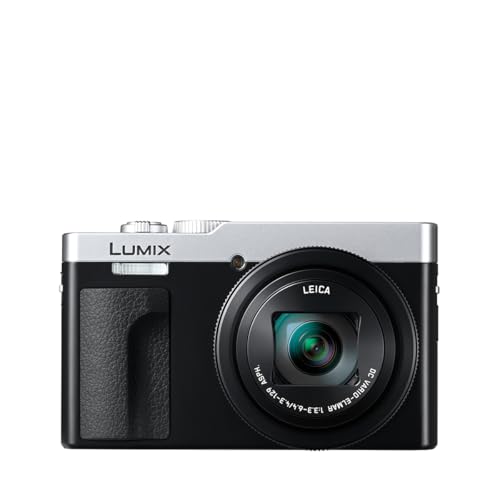
Point and shoot compacts put the lens, sensor, and flash in one small body that slips into a jacket pocket. They are the easiest step up from a phone, with larger sensors and real optical zoom that stays sharp where phone zoom only crops. Choose this type if simplicity and portability matter most and you do not plan to buy extra lenses.
Mirrorless Cameras With Interchangeable Lenses
Mirrorless cameras use electronic viewfinders or the rear screen instead of an optical mirror, which keeps bodies smaller than older DSLR designs. Their real advantage is choice: one body can carry a wide lens for landscapes, a bright lens for portraits, and a long lens for school sports. The trade off is cost and bulk once you own two or three lenses.
Bridge Cameras With Long Zoom Lenses
Bridge cameras look like small DSLRs but have one fixed lens with a very long zoom, sometimes reaching subjects across a field or a river without any lens swap. Their sensors are usually smaller than mirrorless sensors, so low light quality is a step behind, but daylight versatility is hard to beat.
Some hobbyists enjoy the slower, deliberate feel of film. If that appeals to you, read our guide to the best film photography cameras before choosing between digital convenience and film character.
Tips to Get the Most From Your Camera
- Learn one mode at a time. Start in full auto, then try aperture priority for portraits, so skills build gradually.
- Clean the lens with a cloth, not your shirt. Shirt fabric can hold grit that scratches coatings, while a microfiber cloth keeps glass clear and safe.
- Carry a spare battery and card. Either one can end a day of shooting if it fails or fills up at the wrong moment.
- Update the camera firmware. Free updates from the maker can improve autofocus behavior and fix bugs in a few minutes.
- Back up photos in two places. Keep one copy on a computer or drive and a second in cloud storage, because cards fail.
Common Mistakes to Avoid
- Buying by megapixels alone, because sensor size and lens quality shape your images far more than a bigger pixel count does.
- Choosing a camera that is too big to carry, because the camera left at home takes no photos at all, no matter how impressive its specs look.
- Ignoring the cost of lenses and accessories, because interchangeable lens systems can double your total spending within the first year.
- Trusting digital zoom numbers, because digital zoom only crops the image and throws away detail that optical zoom would have kept.
- Skipping the grip test, because a body that feels awkward in your hands will frustrate you every single time you pick it up.
- Forgetting to check video limits, because some cameras stop recording 4K video after short clips, which surprises parents filming full school performances.
Care and Maintenance for Your Camera
Good habits keep a personal camera reliable for years. Store it in a padded bag in a dry place at normal room temperature, away from steamy bathrooms and hot car trunks that can damage batteries. If you move from cold outdoor air into a warm room, leave the camera in its closed bag for a while so condensation forms on the bag instead of inside the lens.
Clean the body with a soft dry cloth and use a blower to remove dust from the lens and sensor area. Keep caps on lenses whenever they are off the camera, and remove the battery if you will not shoot for several months, checking its charge a few times a year.
Frequently Asked Questions
What features matter most in a camera for personal photography?
Fast autofocus, a sensor larger than a phone sensor, and a lens with a wide aperture matter most for personal photos. Those three cover moving subjects, dim rooms, and pleasing portraits. One extra worth checking is the screen: a tilting screen helps with selfies and group shots on a tripod, a detail many buyers only notice after their first trip.
Which camera sensor size is better for low light personal photos?
A larger sensor is better for low light personal photos, because it gathers more light and produces cleaner files at high ISO settings. Full frame leads, APS C is close behind, and 1 inch compacts still beat phones clearly. Also check the lens: a compact with a bright f1.8 lens can rival a larger sensor camera with a slow kit lens at night.
What camera specs matter most for beginners taking personal photos?
Simple menus, reliable auto modes, and good autofocus matter most for beginners, because early success keeps you shooting and learning. A guided help mode or a well written in camera tutorial is a quiet advantage few spec sheets highlight. Start with one versatile zoom lens and add gear only when a real limit appears in your photos.
Is a smartphone enough instead of a dedicated camera for personal photos?
A smartphone is enough for quick snapshots in good light, and its convenience means you always have it with you. A dedicated camera earns its place when you want real zoom, cleaner indoor photos, blurred backgrounds, or prints larger than a small frame. Many owners use both, the phone for daily moments and the camera for trips and events.
How much should you spend on a first camera for personal photography?
Most first time buyers do well spending about $300 to $700 on a camera and starter lens, which covers capable compacts and entry mirrorless kits. Spending less often means small sensors that barely improve on a phone, while spending far more buys features beginners rarely use. Keep a little budget aside for a bag, a spare battery, and a fast memory card.
What does magnification mean on a compact camera zoom lens?
Magnification on a compact camera describes how many times the longest zoom setting enlarges the view compared with the widest setting, so 10x means the far end frames subjects ten times larger. Check the actual focal range too, because a lens starting wide is far more useful indoors than one that only starts at a narrow view.
Final Thoughts
The right choice comes down to three questions: how much camera will you actually carry, how much light do you usually shoot in, and how much control do you want as you learn? Answer those honestly, compare your short list against the product table above, and you will land on the best cameras for personal photography setup for your life, one that turns everyday moments into photos worth keeping.