Best Cameras for PC: A First Time Buyer's Guide for 2026
Disclosure: We may earn a commission when you buy through links on this page, at no extra cost to you. As an Amazon Associate I earn from qualifying purchases. Learn more
A simple first purchase guide to the best cameras for pc, covering resolution, field of view, focus, microphones, room light, setup, and price bands.
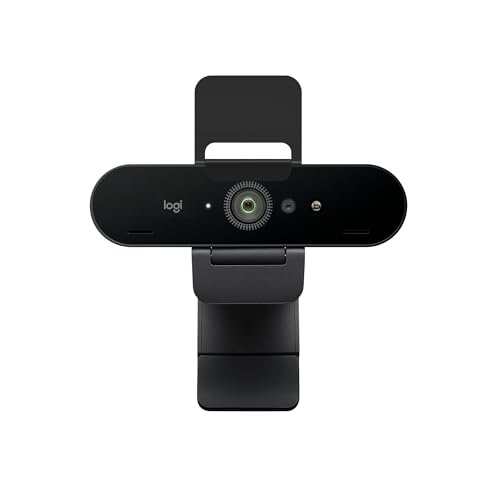
Buying your first camera for a computer is simpler than the spec sheets make it look. A camera in this class is a webcam, a small USB camera that clips to your screen and feeds video calls, streams, and recordings straight into the apps you already use. It is not a stills camera, and it is not bought for photography trips. When you compare the best cameras for pc, you are really comparing how clear your face looks, how natural your voice sounds, and how well the camera copes with your room.
The comparison table below lines the main classes up side by side.



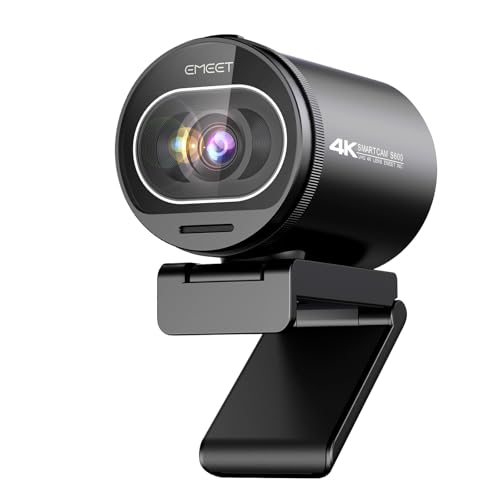


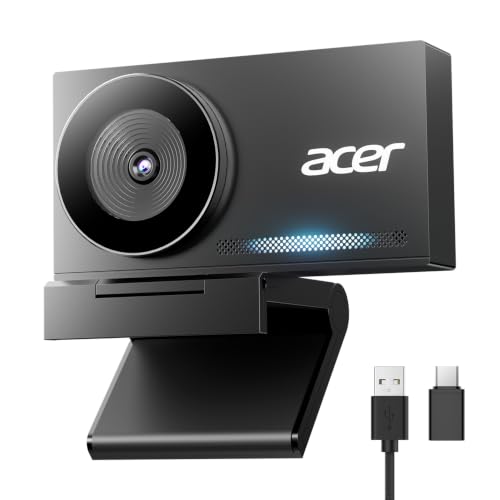

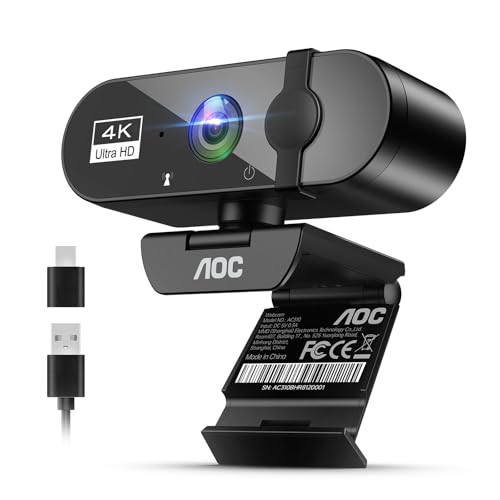
Start with the way you will actually sit in front of it. Call cameras serve meetings and classes, where a steady picture and a clear voice matter most. Stream cameras serve people who broadcast or record for an audience, where frame rate and software controls matter more.
Recording cameras serve lessons, demos, and presentations you save and share later. Each class below is judged against those three jobs, so a first time buyer can skip the specs that belong to other kinds of cameras entirely.
Cameras 101: The Basics
A PC camera has four parts that decide everything you see and hear. A small lens gathers light, a sensor turns that light into a picture, a processor cleans the picture up and sends it through the USB cable, and one or two microphones capture your voice. The computer does the rest, handing the picture to your call or recording app. Nothing inside is user serviceable, so the buying decision is about choosing the right class once, not about parts you will upgrade later.
The naming on shop pages causes most of the confusion for new buyers. The same product may be sold as one of the best web cameras for pc, which is simply the full name of this class. It helps to keep the neighbors separate in your mind. A tablet is a different device with its own built in camera, so guides to the best pc tablets solve a different problem.
And the best digital cameras are stills cameras for photography, a separate purchase that does not plug into your calls.
Key Specs Explained in Plain English
Spec sheets for this class use a handful of terms over and over. Read them in the order below, because the first two decide more of your picture than the rest combined.
Features That Matter for PC
A PC camera lives or dies by three things: how it handles your room light, how wide its view is, and how your voice reaches the other side. Resolution sells boxes, but a call is a face at arm's length, and faces forgive low pixel counts far sooner than they forgive dim, noisy light or muffled sound. Look first for a sensor and lens pairing described as good in ordinary indoor light, a field of view that frames one person at a desk, and a microphone that sits close to your mouth by design. Everything else in this guide refines those three.
Sensor Size and Image Quality
Webcam sensors are far smaller than the sensors in stills cameras, and that single fact shapes the whole class. A small sensor gathers less light, so in a dim room the camera raises its sensitivity and the picture turns grainy.
Makers quote megapixels loudly, but on a sensor this size more megapixels mostly means smaller pixels, not a clearer face. What separates the classes is sensor size itself and the quality of the processing behind it. A step up in class usually buys a slightly larger sensor and cleaner processing, which shows up as smoother skin tones and less shimmer in plain walls behind you.
Lens and Zoom Range
PC cameras use fixed lenses, so the honest spec here is field of view, the angle the lens sees. A narrow view around 60 degrees frames your head and shoulders and keeps a messy room out of shot. A view near 78 degrees is the common middle ground for one person at a desk. Wide views of 90 degrees or more suit two people or a small group around one screen.
Zoom on this class is digital, which means the camera crops the picture and enlarges it, so detail falls as zoom rises. Choose the view that matches your seat, and treat zoom as a framing shortcut, not a feature to pay extra for.
Autofocus and Stabilization
Focus comes in two classes. Fixed focus cameras are set at the factory for a typical desk distance, roughly arm's length to a couple of steps away, and they need no hunting or pulsing as you move. Autofocus cameras adjust as you lean in or hold an object up to the lens, which helps presenters and teachers, but cheap autofocus can hunt visibly during a call.
There is no optical stabilization in this class, because the camera sits still on your screen. If your picture shakes, the cure is a firmer mount or a desk that moves less, not a different spec.
Video Capabilities
Resolution classes run from 720p at the entry level through 1080p in the middle to 4K at the top, and frame rates run from 30 frames per second to 60 on cameras built for motion. Two honest limits apply. First, most call apps cap the picture they send, so a 4K sensor often reaches the other side as a smaller picture anyway.
Second, higher resolutions ask more of your computer and your connection. Buyers who record or broadcast should read our guide to the best video cameras for pc, and anyone building a live channel should compare the best pc cameras for streaming before choosing.
Best Cameras for Specific Needs
Best Cameras for Your PC: Tips for First Time Buyers
Your desk is not the desk in the product photos, and that difference should steer the choice. Measure your real setup in three ways. Note the distance from your chair to the screen, because it decides which field of view frames you well. Note where your windows and lamps sit, because a window behind you will defeat any camera in this class.
Note the calls you actually take each week, because a camera bought for family chats needs less than one bought for client work. Match the class to those three answers and the shortlist usually shrinks to two or three sensible options.
Price Bands for a First Purchase
Prices for this class fall into three rough bands. Entry cameras cost under about $50 and cover ordinary calls in a reasonably lit room, with fixed focus and a basic microphone. The middle band runs from about $50 to $100 and is where most first time buyers should land, since it usually adds autofocus, a wider choice of viewing angles, and cleaner sound. Above about $100 to $200, the gains narrow to larger sensors, 4K recording, and stronger software controls.
Spend in that order: light first, camera second. A small desk lamp aimed at your face improves a middle band camera more than a top band camera improves a dark room. Keep a little of the budget back for the extras in the setup section below, because a camera at the wrong height wastes the money you spent on its sensor.
Rookie Mistakes to Avoid
Most first purchase regrets in this class come from the same short list.
- Buying on megapixels alone: on a small webcam sensor, light handling beats pixel count, so a high number can still give a grainy picture in a dim room.
- Sitting with a bright window behind you: the camera exposes for the window and turns your face into a dark shape, whatever class you bought.
- Ignoring the microphone: call partners forgive a soft picture long before they forgive echoing, distant sound, so voice quality deserves the same weight as the lens.
- Paying for 4K your apps cannot send: if your call software caps outgoing video, the extra resolution helps recordings only, not your meetings.
- Mounting the camera far below eye level: a low angle is unflattering and tiring to watch, and no setting inside the app corrects it afterward.
Getting Started: Setup and First Use
Setup takes minutes. Clip the camera at the top center of your screen, plug the cable into a port on the computer itself, and open your call app to choose it as the camera and microphone. Raise or lower the screen so the lens sits near eye level, then frame yourself with your eyes in the upper third of the picture. Wipe the lens with a clean lens cloth, never your shirt, because shirt fabric drags grit across the glass.
Before your first real call, record a short test clip and play it back with headphones. Check that your voice is clear, that the background is calm, and that no lamp or window flares into the lens. Close the privacy shutter or unplug the camera when it is not in use if that habit suits you, and keep the cable loose rather than pinched behind the screen, because a strained cable is the most common cause of a camera that cuts out mid call.
FAQs: Your Questions Answered
What features matter most in cameras for pc?
Light handling, field of view, and microphone quality matter most, in that order. One check that rarely appears on spec sheets is clip depth: screens vary in thickness, and a shallow clip on a thick screen tilts the camera and ruins the angle. Measure your screen edge before ordering, or choose a class with a tripod thread so the camera can sit on a small desk stand instead. That single measurement prevents the most common first purchase return in this class.
What specs matter most for beginners buying a PC camera?
Beginners should care about three specs: a 1080p or good 720p picture, a field of view near 78 degrees, and a microphone with noise reduction. Add one practical check that spec sheets hide: confirm the camera works with your exact call apps without extra software, because a camera that needs a driver download on a work laptop you do not administer can be unusable. Plug and play support matters more to a beginner than any headline resolution figure.
How much should I spend on my first PC camera?
Most first time buyers do well between about $50 and $100, which buys autofocus, a sensible viewing angle, and a cleaner microphone than the entry band. Keep about $20 of the budget aside for a longer cable or a small stand, because desk layouts vary and the supplied cable is often short. Spending past about $150 makes sense mainly for recording or streaming, where the higher classes add resolution your call apps will actually use.
Which type of PC camera works best in low light?
The upper classes with larger sensors work best in low light, because a bigger sensor gathers more light before the processing has to guess. There is a trade hidden in the spec sheet: in dim rooms many cameras quietly drop their frame rate to gather more light per frame, so motion looks less smooth even as faces get brighter. If your room is dark every day, the larger sensor class plus one small lamp beats any camera spec on its own.
Can a smartphone replace a camera for a PC?
A smartphone can stand in for a PC camera through linking apps, and its camera is often better than an entry webcam. The catch is practical: the phone is then occupied for the whole call, its battery drains fast under video, and incoming calls and messages can interrupt your meeting. It is a good trial before you spend anything, and a fine backup later, but a dedicated camera wins on convenience for anyone who calls every day.
The Bottom Line
A first purchase in this class comes down to three checks: a sensor that handles your room light, a field of view that frames your seat, and a microphone your call partners can enjoy. Match those to the desk you actually have, spend in the middle band unless you record or stream, and fix your light before you upgrade your camera. Judged that way, the best cameras for pc are easy to shortlist, and the product table above shows how the classes compare on the specs that matter.