Best Cameras for Outdoor Video: Types Compared and How to Choose for 2026
Disclosure: We may earn a commission when you buy through links on this page, at no extra cost to you. As an Amazon Associate I earn from qualifying purchases. Learn more

Compare camera types side by side, from action cameras to mirrorless bodies, and learn how to choose the best cameras for outdoor video for your trips.
Shooting video outside sounds simple until you start shopping. Store pages group action cameras, mirrorless bodies, camcorders, and compact cameras together, and every listing leads with resolution numbers that say little about how a camera handles wind, glare, or a sudden rain shower. This guide compares the main types side by side so you can pick the best cameras for outdoor video for the way you actually shoot.
Start by deciding how you will use the camera most weeks, then check the comparison table below for a quick view of prices and core specs across the types. The sections that follow explain what each type does well, where it struggles, and which features deserve your money before you spend on extras you may never use.

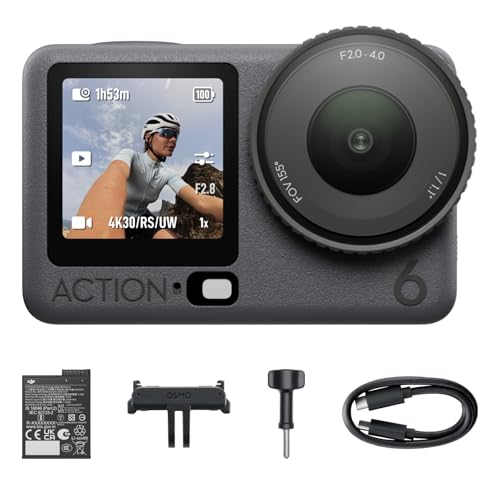




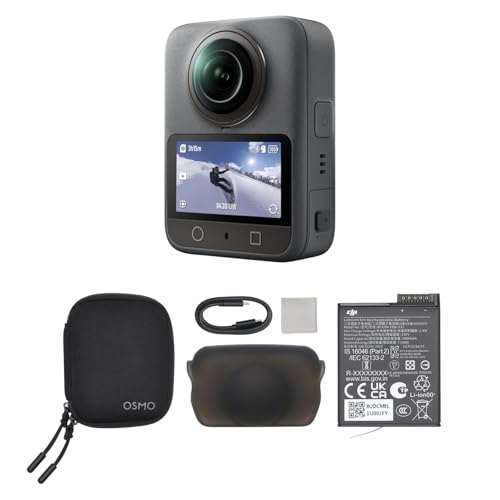
Types of Cameras Compared
Outdoor video cameras fall into a few broad groups, and price tracks closely with sensor size, weather sealing, and lens flexibility. The four groups below cover nearly everything sold for filming outside, from tiny action cameras to full frame mirrorless bodies. If your goal is a fixed camera that watches a yard or driveway, that is a different product class, so see our guide to the best outdoor video surveillance cameras instead of the carry and shoot types covered here.
Premium Options
Premium outdoor video cameras are mostly full frame or high end APS C mirrorless bodies paired with weather sealed lenses. They deliver the cleanest low light footage, the shallowest depth of field, and the most control over color when you edit. Sealed bodies shrug off drizzle and dust that would stop cheaper gear, and large batteries plus dual card slots suit long days on location. Prices start at about $1,500 for a body with one versatile lens and climb from there.
The trade offs are cost, weight, and a real learning curve. You will carry a bag, swap lenses as conditions change, and spend time learning settings before the footage looks its best. For paid work and serious travel films, that effort pays back in footage that holds up on a large screen.
Budget Options
Budget options are mainly simple action cameras, basic camcorders, and entry level mirrorless bodies sold with a kit lens, usually under $500. They record sharp 4K footage in good daylight and need almost no setup, which suits family trips, school sports, and casual trail videos. Most include basic stabilization and a simple auto mode that gets exposure right without any input from you.
Where they give ground is low light, where small sensors add grain, and in audio, where tiny built in microphones pick up every gust of wind. Weather sealing is rare at this level, so a low cost waterproof case or a careful hand in the rain becomes part of the kit.
Compact Options
Compact options center on action cameras and small fixed lens cameras that slip into a jacket pocket. They are the easiest type to carry on hikes, bike rides, and boat days, and most are waterproof without a case, so a dunk in a lake is an inconvenience rather than a disaster. Creators who film themselves talking while they walk often start here, and if that is your main style, see our guide to the best cameras for video blogging for cameras shaped around that work.
The limits are fixed lenses, small screens that wash out in bright sun, and short battery life when you record at the highest settings. You also give up the blurred backgrounds and manual control of larger cameras. What you gain is a camera that is always with you, already mounted, and ready in seconds.
Mid Range Options
Mid range cameras are mostly APS C mirrorless bodies and advanced camcorders, most priced at about $600. Stronger models with better sealing and faster autofocus run about $1,200. This is where in body stabilization, dependable autofocus tracking, and real weather sealing start to appear together in one camera. You get interchangeable lenses without the size and cost of full frame gear, and video quality stays strong from bright noon light into early evening.
For many hikers, travel shooters, and sports parents, this tier covers years of use before any limit of the camera, rather than the shooter, becomes the problem. Lenses bought here often stay useful if you later move up a tier.
Premium Options vs Budget Options: Which Should You Choose?
The gap shows up first in low light. A premium sensor keeps evening footage clean where a budget sensor turns grainy, and premium lenses gather more light at the same settings. Stabilization and autofocus follow the same pattern: premium bodies track a moving subject smoothly, while budget models may hunt for focus when light drops or the action speeds up.
Spending more also buys sealing, stronger mounts, and longer rated battery life, which matter on wet or dusty shoots. It does not buy a better story, and plenty of viewers watch daylight footage from a budget camera without noticing any flaw. If your real goal is guarding a home rather than filming outings, compare the best cameras for outdoor security instead, since fixed security cameras trade lens choice for constant recording. Choose premium when you shoot at dawn, dusk, or in bad weather most weeks, and choose budget when you film in daylight and would rather spend the savings on trips and mounts.
How to Choose the Right Camera
Once you know your type and tier, compare the details below before you order. The product table above lists the headline specs for each option, and these points explain how to read them and which numbers deserve the most weight.
Safety and Certifications
Outdoor cameras face water, dust, and drops, so check the protection ratings before anything else. Action cameras often carry an IPX8 rating, which means they can stay under water for a stated depth and time, while mirrorless bodies rely on sealing around buttons and dials rather than a full rating. Sealing only works when port doors are closed and lens gaskets are clean, so inspect both before a wet shoot. If you film near salt water, rinse the camera with fresh water afterward, because salt crystals can work into seals and corrode contacts over time.
Key Performance Specs
Resolution gets the headlines, but frame rate and stabilization shape outdoor footage more. 4K at 60 frames per second keeps motion smooth and lets you slow clips down in editing, while 1080p is still fine for clips shared on phones. Sensor size drives low light quality and depth of field, so a larger sensor helps most at sunrise and sunset. Strong stabilization matters whenever you walk, ride, or shoot from a boat, because small shakes ruin more outdoor clips than soft resolution does. If you are comparing general video features beyond outdoor use, see our guide to the best cameras for video for a broader look at recording formats and controls.
Features That Matter for Outdoor Video
Wind ruins outdoor audio faster than almost anything else, so look for a microphone input or a camera that accepts a wind cover over its built in microphones. A bright screen you can read in full sun, or a viewfinder on a mirrorless body, keeps framing accurate on snow and water. Cold weather drains batteries faster, so long battery life or quick battery swaps matter more outside than in a studio. Touch controls that still respond when you wear light gloves, offered on some action cameras, help a great deal on winter shoots.
Intended Use and Who It Is For
Match the camera to your most common outing, not your most ambitious one. A parent filming weekend games needs fast autofocus and long zoom reach more than cinema color tools, while a hiker needs light weight and sealing more than a huge sensor. Someone who wants a camera to watch a driveway day and night needs a fixed model instead, so see our guide to the best surveillance cameras outdoor for that job. Listing your three most common shoots before you shop makes the right tier obvious and stops you paying for features aimed at someone else.
Size, Weight, and Fit for Your Space
Weight decides whether a camera comes along or stays home. A full frame kit with two lenses can pass five pounds, while an action camera weighs a few ounces and mounts on a helmet, chest strap, or handlebar. At home, think about storage and charging space too: a small shelf with room for a charger, spare cards, and a dry bag keeps gear ready between trips. If you shoot from a kayak or a small boat, check that mounts fit the rails and tubes you already own before you buy.
How to Make Your Camera Last Longer
Read the manual before the first outing, because sealing ratings, charging limits, and storage warnings differ by model. Clean the body and lens mount with a soft dry cloth after each trip, and check seals and port doors for grit before you close them, since one grain of sand can break a seal. Store the camera in a dry place away from direct heat, with the battery partly charged rather than full or empty. Carry it in a padded case, and update the firmware when the maker releases a new version, so a drop or an old software bug does not end its working life early.
Cameras: Your Questions Answered
What features matter most in a camera for outdoor video?
Weather protection, stabilization, and battery life matter most, ahead of headline resolution. A sealed body or waterproof housing keeps rain and dust out, stabilization keeps walking footage watchable, and strong battery life covers a full day away from outlets. Fast startup also helps more than spec sheets suggest, because wildlife and game moments rarely wait while a camera slowly boots up.
How much should you spend on a camera for outdoor video?
Most buyers land anywhere from about $300 up to about $1,200, depending on how much low light shooting they do. Set aside roughly a fifth of your budget for cards, spare batteries, mounts, and a case, because those extras decide how long you can shoot in a day. Spending everything on the body and nothing on power and storage is the most common budgeting error in this category.
Are expensive outdoor video cameras worth the extra cost?
They are worth it when you shoot in low light, shoot in bad weather, or shoot for paid work where a missed shot costs money. You pay for larger sensors, stronger sealing, and autofocus that holds a moving subject. One point buyers often miss is that premium lenses hold their value and usually move with you to your next body, so that part of the budget is less of a sunk cost than it appears.
How do you maintain a camera used for outdoor video?
Wipe the body after each outing, keep the seals free of grit, and store the camera dry with the battery partly charged. One habit many owners skip is formatting memory cards in the camera itself instead of deleting files on a computer. Formatting in the camera keeps the card file system tidy and lowers the chance of a card error in the middle of a shoot.
How long does an outdoor video camera usually last?
A well kept outdoor video camera often serves five years or more, and the part that limits its life is usually the battery, which loses capacity after a few hundred charge cycles. Replacement batteries extend useful life at low cost. Bodies usually become outdated through new video formats and connections long before they wear out, so a camera that still records clean footage is rarely one you must replace.
The Bottom Line
Start with your most common outing, then pick the type and tier that fit it, and let sealing, stabilization, and battery life guide the final choice. The product table above pulls the key specs together so you can compare your shortlist in one place. Follow that order and you will land on the best cameras for outdoor video for your style, a camera that survives your weather, rides along on every trip, and is ready the moment something worth filming happens.