Best Cameras for Outdoor Use by Budget: Smart Picks for 2026
Disclosure: We may earn a commission when you buy through links on this page, at no extra cost to you. As an Amazon Associate I earn from qualifying purchases. Learn more

Compare the best cameras for outdoor use at every price point. Learn what you get at budget, midrange, and premium levels and where spending more pays off.
Outdoor prices run from under $200 for a simple compact to several thousand dollars for a sealed professional body and lens, and the gap is not just image quality. Rain, dust, cold, and bright sun punish cameras in ways a studio never will, so the best cameras for outdoor use are the ones matched to your weather, subjects, and budget.
Start with the weather you shoot in most, then weigh size, lens reach, and battery life. Use the comparison table below to line up types and price levels, then read the tier and feature sections to pick your level.






Who Should Buy Which Outdoor Camera
Your usual outing decides more than any spec sheet. Each group below should weight sealing, reach, and size differently.
Hikers and Travel Shooters Who Carry a Camera All Day
You walk far and shoot in changing light, so every ounce matters and the camera must survive drizzle and trail dust. Look for a compact or small mirrorless body with stated weather sealing, a versatile zoom, and a grip you can hold with thin gloves. Skip large bodies that need a separate bag, because bulk is the main reason capable cameras stay at the lodge.
Wildlife and Sports Shooters Who Need Reach and Speed
Your subjects move fast and stay far away, so reach and autofocus speed matter more than compact size. Prioritize a long telephoto zoom option, fast continuous shooting, and subject detection for birds and animals if the budget allows. Plan for the lens as well as the body, because the lens decides how close your subject appears.
Families and Casual Creators Who Film Trips Outdoors
You want clear photos and video of hikes, beach days, games, and camping without studying menus between moments. Choose simple controls, reliable automatic modes, and stabilization so handheld clips look steady while you walk. If you share mostly online, strong video and easy phone transfer matter more than the largest sensor.
Key Features to Compare for Outdoor Shooting
Compare these factors before brands, because they decide how the best cameras for outdoor use behave when weather, light, and distance stop cooperating.
Weather Sealing and Build Quality Outdoors
Weather sealing means gaskets around doors, dials, and the lens mount that slow the entry of rain and dust, and it works only when the lens is sealed too. Treat splash resistant wording as protection against light rain, not a soak. A camera with no sealing needs a rain cover and suits fair weather days and sheltered spots.
Sensor Size and Low Light Performance Outside
A larger sensor gathers more light, giving cleaner images at dawn, in forest shade, and under heavy cloud, and it holds detail better at high ISO settings. Small sensor compacts do fine in bright daylight but struggle after sunset. Crop sensor and full frame bodies cost and weigh more, yet earn that cost for early starts and evening shoots.
Lens Range, Zoom Reach and Aperture Choices
The lens decides what you can frame, from wide valley views to a deer across a meadow. A wide to medium zoom covers landscapes and people for most trips, while wildlife and field sports call for long telephoto reach. Brighter apertures help in shade but add size and price. For fixed lens compacts, check the full zoom range before buying, and value a sharp wide end for scenery.
Battery Life and Cold Weather Endurance
Batteries deliver less power in cold weather, and screens, stabilization, and video drain them faster still. Check the rated shots per charge, plan on less in winter, and carry a spare kept warm in an inside pocket. On remote trails with no outlets, total endurance across your spares matters most.
Screen Brightness, Viewfinder and Glove Friendly Controls
Bright sun can wash out a dim rear screen until framing becomes guesswork, so an electronic viewfinder is a real outdoor advantage. Look for a bright screen and large, spaced buttons you can press while wearing gloves. Touch controls fail with thick gloves and wet fingers, so physical dials earn their place.
Outdoor Ability at Each Price Step
Price tiers change outdoor ability in predictable steps, using typical United States prices for a body with a basic lens or a complete compact.
Budget Tier: Fair Weather Basics for about $200 to $400
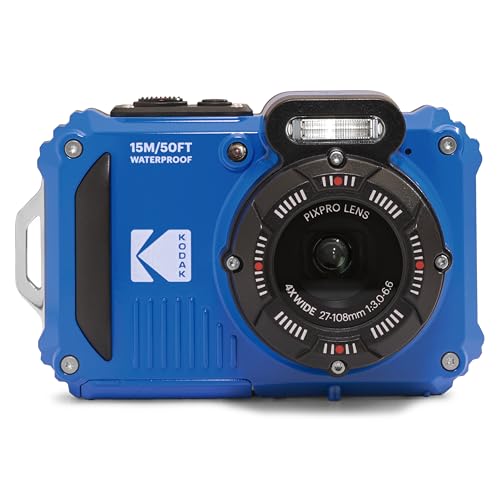
You get a small sensor compact or an entry camera with a kit zoom, good automatic modes, and little or no weather sealing. Daylight photos look pleasing, video suits online sharing, and the kit stays light. The trade offs are weak low light results, slower focus on moving subjects, and shells that need a cover in rain.
Midrange Tier: Sealed Bodies and Stronger Video for about $400 to $1,200
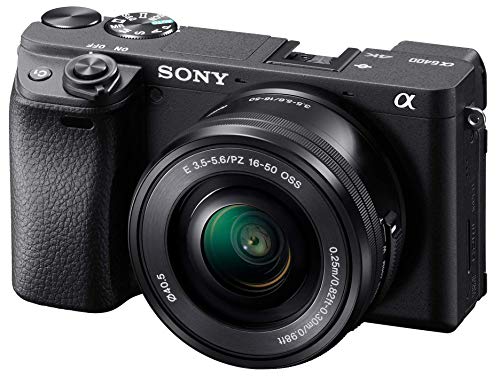
Outdoor value peaks here for most buyers. You gain weather sealed bodies and lenses, larger sensors, stabilization on many models, and much better autofocus for kids, pets, and local wildlife. If you hike in mixed weather or film family trips each month, this tier returns the most ability per dollar.
Premium Tier: Speed, Reach and Toughness for about $1,200 and Up
Premium money buys full frame sensors, the fastest subject tracking, deep buffers for long bursts, and the toughest sealing and build quality in the range. Lenses reach farther with brighter apertures, and pro grade card slots support long days in harsh places. Choose this tier for paid work, serious birding, or regular shooting in rain and snow.
Matching the Camera to Your Main Subject
Your main subject, stills or video, should make the final call between tiers. Readers comparing general models can also see our guide to the best digital cameras for everyday use.
Best Video Cameras for Outdoor Use: Where Your Money Goes
Video outdoors adds demands that stills do not. Stabilization must smooth walking shots, the microphone must cope with wind, and the camera must record for long stretches without overheating in sun. Look for in body or lens stabilization, a microphone input or wind muff option, and 4K recording at smooth frame rates for action.
Still Photos First: Spending on Lenses Instead of Video Extras
If you rarely record video, put the savings into the lens you will use most, because a better lens improves every frame while unused video extras improve none. A sealed zoom that matches your subjects, plus a fast prime lens for dusk, covers most outdoor stills work. Our guide to the best cameras to use covers matching a body to daily habits.
Common Mistakes to Avoid When Buying for Outdoors
- Buying a sealed body with an unsealed lens, so rain still enters at the mount and the system stays vulnerable.
- Choosing the largest zoom range and ignoring aperture, so dusk and forest shots come out noisy or blurred.
- Trusting a splash proof claim for a full rainstorm, so water reaches the ports and the camera stops working.
- Carrying one battery into cold weather, so the camera dies hours before the outing ends.
- Picking a heavy kit for long climbs, so the camera stays in the bag and phone photos replace it.
- Forgetting a strap, case, and spare cards in the budget, so the first trip starts with missing basics.
Care and Maintenance for Outdoor Cameras
Brush grit and sand off the body before opening any door, because loose particles dragged across a seal or screen cause scratches and leaks. Dry a wet camera slowly at room temperature, then open the doors in a dry room to air the ports. Clean the front lens element with a blower first and a lens cloth second.
Long term costs are modest but real. Budget for spare batteries, memory cards, a padded case, a rain cover, and sensor cleaning supplies. For rough one day outings where damage is likely, some families choose a simple disposable option instead, and our guide to the best single use cameras explains that trade off.
Cameras for Outdoor Use: Your Questions Answered
What features matter most in cameras for outdoor use on a tight budget?
On a tight budget, sealing against light rain, a bright screen, and a versatile zoom matter most, ahead of extra megapixels. One useful habit is buying last season stock of a sealed model rather than a new unsealed one at the same price, because outdoor protection ages far more slowly than menu features and wireless extras.
How long does a camera for outdoor use usually last?
A camera for outdoor use usually lasts about five to ten years with basic care. Shutter ratings on interchangeable lens bodies often run into six figures of frames, so seals, batteries, and screens usually age out first. Repair support fades with time. Replacing worn straps and batteries on schedule keeps an older body dependable longer.
Are expensive cameras for outdoor use worth the extra cost?
Expensive cameras for outdoor use are worth it only when you shoot often in hard conditions. Test the idea against your last twenty outings. If rain, dusk, or distant wildlife limited your results in most of them, the upgrade will show. If light was good and subjects were close, it will not.
How much should you spend on a camera for outdoor use?
Most outdoor buyers should spend about $400 to $1,200 for the body and first lens together, which buys sealing, stabilization, and a larger sensor without pro level weight. Set aside part of the total for batteries, cards, and a case. Spending everything on the body alone leaves no spares for a full day outside.
Can a camera for outdoor use record well in bright midday sun?
Yes, a camera for outdoor use can record well at midday if you manage heat and glare. Shade the body between clips, because dark shells heat quickly and some cameras shorten recording time when hot. A neutral density filter, which works like sunglasses for the lens, keeps shutter speeds natural for motion in harsh light.
Final Thoughts
Match the tier to your weather first, your subjects second, and your wish list last. Sealing, lens reach, battery endurance, and a screen you can read in sun will shape your results far more than small spec gaps. Compare the best cameras for outdoor use in the product table above and pick the level you will carry on every trip, not just the best days.