Best Cameras for Outdoor Pictures in 2026: Which Type Is Right for You?
Disclosure: We may earn a commission when you buy through links on this page, at no extra cost to you. As an Amazon Associate I earn from qualifying purchases. Learn more

Compare the best cameras for outdoor pictures by type, from budget and compact to mid range, with key features, prices and care tips to help you choose.
Shopping for a camera to use outside can feel confusing, because the same shelf holds tiny pocket models, rugged designs built for rain and dust, and larger cameras with changeable lenses. The best cameras for outdoor pictures are not the ones with the longest spec sheet. They match your weather, your subjects, and how far you plan to carry them, so start with the comparison table below.
This guide compares camera types instead of naming individual models. You will see how budget, compact, and mid range designs differ, which features matter under bright sun, and what each type costs.



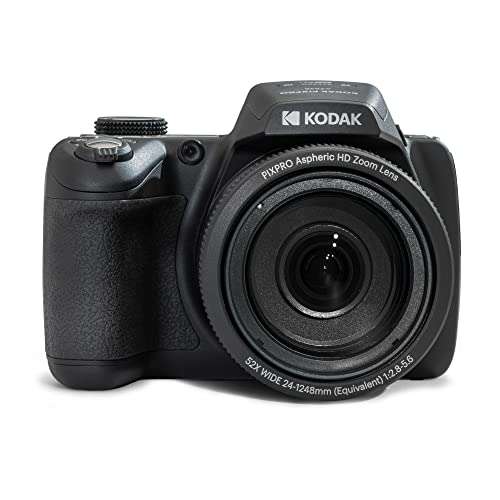
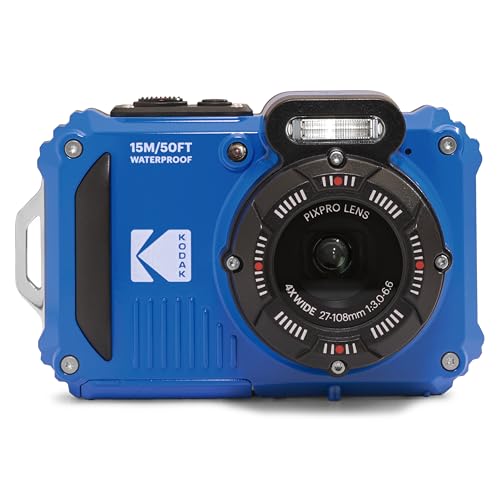

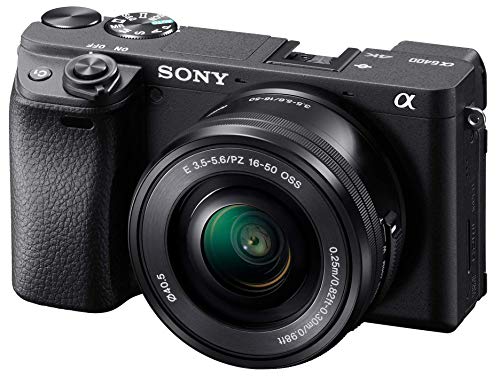
Types of Cameras for Outdoor Pictures Compared
Most outdoor cameras fall into three broad types, and the type shapes everything from weight to image quality.
Budget Cameras: Simple Controls at the Lowest Cost
Budget cameras, usually under $300, are simple digital models with a fixed lens, automatic modes, and modest zoom. They are easy to use, so a new owner can start shooting within minutes, and their low price suits kids or school trips. The trade offs show up outdoors: small sensors struggle when a scene mixes harsh sun with deep shade, screens wash out at noon, and most budget bodies have little sealing against rain or dust.
Compact Cameras: Pocket Size for Travel and Trail Days
Compact cameras pack a larger sensor and a better lens into a body that still slips into a jacket pocket, and most cost about $250 to $600. That mix suits travel and day hikes, because the camera is light enough that you actually bring it along. Many compacts add useful zoom, image stabilization for steady handheld shots, and brighter screens than budget models offer. Their limits are fixed lenses, so you cannot swap to a longer lens for wildlife, and smaller bodies mean smaller batteries.
Mid Range Cameras: Stronger Sensors and Faster Focus
Mid range cameras, about $600 to $1,500 for a body with a starter lens, use larger sensors, faster processors, and lenses you can change as your skills grow. Outdoors, that means cleaner detail in shade, surer focus on moving subjects, and sealing that shrugs off light rain and trail dust on many models. The cost is real weight and a learning curve if you have only used automatic modes. If you shoot landscapes at dawn or birds at a distance, this type rewards the effort.
Budget Options vs Compact Options: Which Should You Choose?
Budget options and compact options overlap in price, so compare them on four points. For image quality, compacts win, because their larger sensors hold detail in bright scenes with dark corners. For ease, budget models win, since they ask almost nothing of the user. For durability, neither type is truly rugged, though compacts often feel better built.
Choose the budget route for a child, a gift, or occasional snapshots, and a compact if you travel often. Shoppers comparing general models can also see our guide to the best digital cameras.
Who Should Buy a Camera for Outdoor Pictures?
The right type depends less on price than on where and how you shoot.
Hikers and Campers Who Carry Gear All Day
If your camera rides in a pack for hours, weight and battery life decide whether it comes along at all. A compact or a small mid range body with one versatile lens keeps the load sane. Look for decent sealing, because trail dust and drizzle are normal, and carry a spare battery.
Families Photographing Trips and Gatherings Outside
Families need a camera anyone can pick up and use, with fast automatic focus for children who never sit still. A budget or compact model covers park birthdays and beach trips without stress about cost. Some families also love prints on the spot, so see our guide to the best instant picture cameras.
New Photographers Who Want More Than a Phone Outdoors
If phone photos disappoint you in strong sun or at sunset, a mid range camera gives you manual controls, a real viewfinder, and lenses to grow into. Start with one general purpose zoom lens and learn how light changes through the day. Handle a camera in store before buying, because grip comfort matters on long walks.
Key Features to Compare for Outdoor Pictures
Spec sheets list dozens of numbers, but only a handful change your results outside. Lists of the best cameras for outdoor pictures make more sense once you know which points matter most to you.
Weather Sealing and Build Quality
Outdoor use brings rain, dust, sand, and knocks against rocks or railings, so build quality is a real feature and not a luxury. Sealed bodies and lenses use gaskets around doors, dials, and lens mounts to slow water and grit from getting inside. A sturdy body also tolerates bumps better than thin plastic. Sealing never means a camera can swim, and it only works when the lens is sealed too.
Sensor Size and Contrast in Bright Light
Outdoor scenes often pair a bright sky with shaded ground, and that wide contrast tests a sensor hard. Larger sensors capture a broader range between highlights and shadows, so clouds keep texture while faces under a tree stay clear. Small sensors in budget models clip bright skies to white more easily. Sensor size also affects depth of field, the soft background blur that sets a portrait apart from a busy park.
Lens Range for Landscapes and Distant Subjects
The lens decides what you can frame. A wide view, around 24 mm in full frame terms, suits landscapes, group photos, and tight forest trails. A longer reach, 200 mm or more, brings birds and players on a field closer without disturbing them. Many outdoor shooters settle on a zoom spanning about 24 to 105 mm for everyday scenes, then add a longer lens later. Aperture matters too: a lower number, such as f/2.8, gathers more light at sunset.
Autofocus Speed and Stabilization for Moving Subjects
Outdoor subjects rarely pose. Dogs run, boats rock, and athletes change direction without warning, so autofocus that tracks movement keeps more shots sharp. Look for subject detection for people or animals and a burst mode fast enough to catch a short action peak. Stabilization steadies the hand shake that long zooms magnify, which helps at dusk. For still scenes like landscapes, basic focus is plenty.
Battery Life, Storage and Screens in Bright Sunlight
A full day outside offers no wall outlet, so battery rating shapes your plans. Compact cameras may manage only a few hundred shots per charge, while larger bodies often double that. Carry a spare battery and a second memory card. A tilting screen helps at ground level for flowers, while an electronic viewfinder stays readable when glare washes out a rear screen at noon.
Warranty and support deserve a quick check before you buy. Most cameras carry a one year warranty, and some brands sell extended plans with accidental damage cover, which suits outdoor use.
Setup and Care Tips for Outdoor Cameras
A few habits protect your camera and your photos. Set the date, time, and image quality before your first outing, and read the manual section on sealing so you know which doors must stay shut in rain. After each trip, wipe the body with a soft dry cloth and let a damp camera air dry before charging it. Store the camera in a dry place away from direct sun, and inspect straps and door seals every few months.
Common Mistakes to Avoid With Outdoor Cameras
- Choosing a camera by megapixel count alone, which leaves you with noisy shade detail and blown out skies.
- Buying a long zoom with no weather sealing and then shooting in rain, which lets moisture fog the lens.
- Wiping a sandy lens with a shirt corner, which drags grit across the coating and leaves scratches.
- Leaving a camera in a hot parked car, which weakens batteries and can damage the sensor.
- Heading out for a full day with one battery and one card, which ends your shooting at the best light.
Cameras for Outdoor Pictures: Your Questions Answered
What features matter most in cameras for outdoor pictures?
Weather sealing, a capable lens, and a screen or viewfinder you can read in sun matter most outdoors. One point buyers overlook is control size: dials and buttons that work with light gloves or damp fingers save frustration on cold mornings. A camera that feels awkward gets left at home.
How long does a camera used outdoors usually last?
A cared for camera usually serves five to ten years, and shutters on mid range bodies are often rated for well over 100,000 shots. Outdoor wear shortens that span when sand grinds into dials or seals dry out and crack. Replacing a frayed strap and tired seals costs little and keeps an older body trustworthy on trips.
How do I maintain a camera that I use outdoors?
Let a wet camera dry fully before you open any door or swap a lens, because trapped moisture spreads inside. Use a blower to lift grit off the lens before any cloth touches it, and keep silica gel packs in your bag to absorb damp air between outings.
How much should I spend on a camera for outdoor pictures?
Spend in line with how often you shoot: under $300 covers casual daylight use, about $250 to $600 buys a compact that lasts, and about $600 to $1,500 opens up mid range quality. Reserve part of any budget for a padded bag and a spare battery. Readers weighing broader choices can see our guide to the best cameras for pictures as well.
Are expensive cameras worth it for outdoor pictures?
Expensive cameras are worth it when you shoot in low light, print large, or chase fast subjects outdoors. Their larger sensors hold detail at dawn and dusk, and their sealing survives weather that sends cheaper bodies back into the bag. If you mostly share sunny day photos online, the gain is small.
Final Thoughts
Start with the type that fits your outings, then weigh sealing, lens range, and battery life before chasing extra megapixels. Budget models keep things simple, compacts balance size and quality, and mid range bodies reward growing skills. The best cameras for outdoor pictures are the ones you carry often and understand well, so compare your shortlist against the product table above before you order.