Best Cameras for Night Video: A Buyer Checklist for 2026
Disclosure: We may earn a commission when you buy through links on this page, at no extra cost to you. As an Amazon Associate I earn from qualifying purchases. Learn more

Run a buyer checklist for the best cameras for night video: sensor size, lens aperture, added light, record limits and card speeds, before you spend.
Night video punishes weak cameras faster than any daylight test, because darkness exposes every shortcut in a sensor and a lens. This article works as a buyer checklist for the best cameras for night video: six criteria to score any candidate against before you spend. The comparison table below lines up the main classes side by side, and each checklist item below explains what good and bad look like in practice.
Treat maker claims with care as you read. Sensitivity ceilings, noise figures and battery ratings are measured under controlled conditions, and real streets, stages and yards are far messier. The checklist keeps you focused on the few numbers that survive contact with a real night.
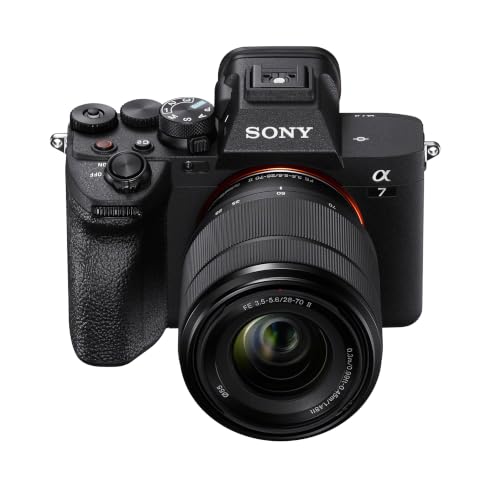


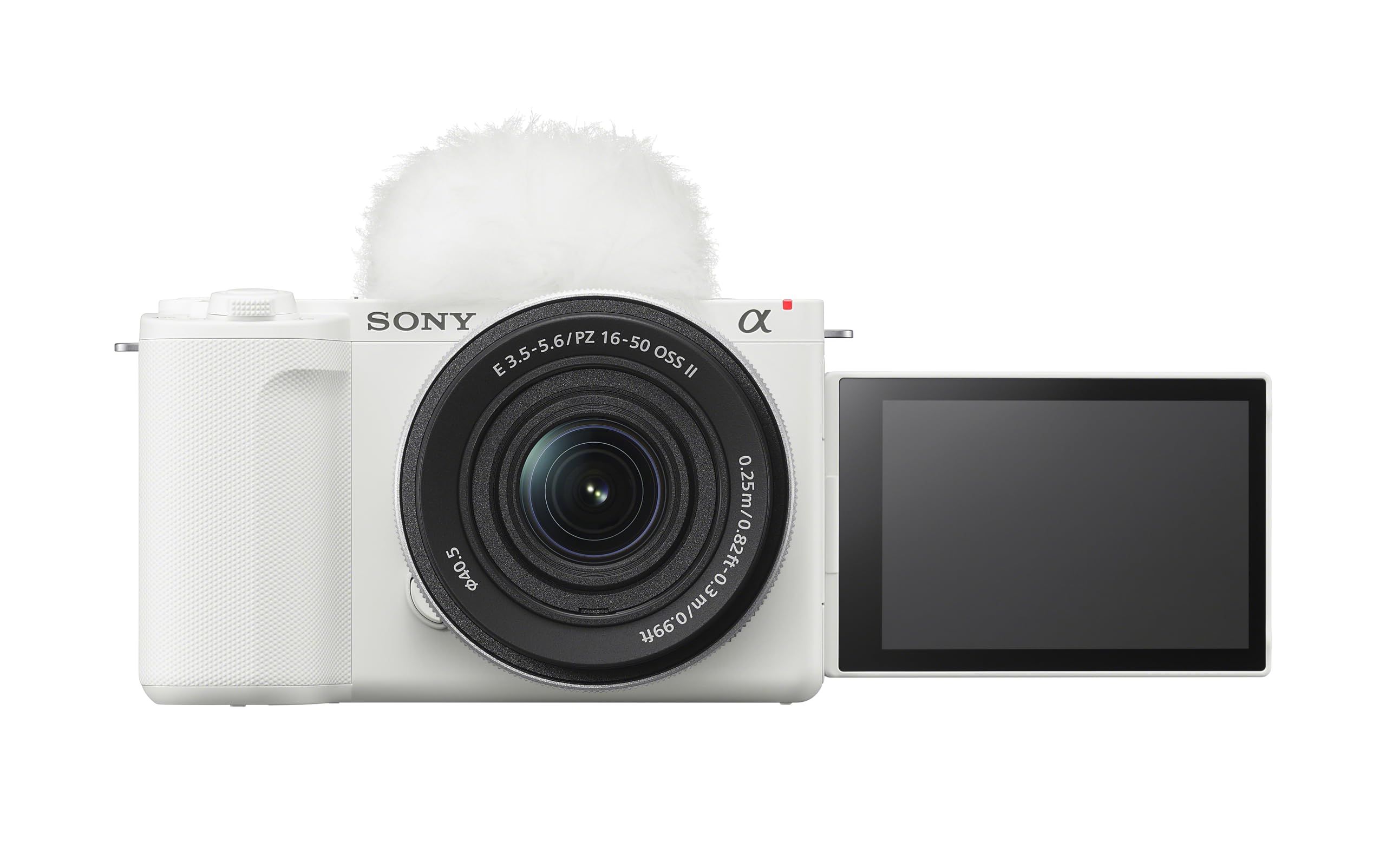



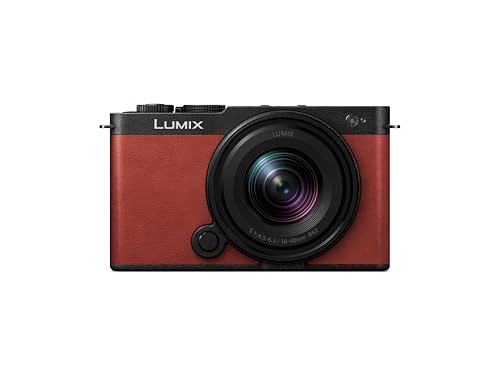
A Buyer Checklist: The Criteria That Decide Night Video
Sensor Size and Sensitivity Range
Stated plainly, night video is a sensor and light decision. The sensor size sets how much light each pixel collects, and the aperture plus the usable sensitivity range decide how clean the footage looks when that light runs out. Full frame sensors hold the advantage, APS C follows, and small sensors trail. Read the maximum sensitivity number as a marketing ceiling: the usable range usually ends well below it, so judge a camera by samples shot at the sensitivity you plan to use, not by the top figure.
Lens Aperture and Added Light
Added light changes the whole purchase. A lit scene is a different buying problem from an available light scene, and a camera that struggles on a dark street may shine on a lit stage. Fast lenses around f/1.4 to f/2 gather several times the light of a slow kit zoom, which can rescue a smaller sensor. If your subjects allow it, a dimmable video light often improves footage more than a costlier body, so price the light into the same decision.
Autofocus and Stabilization in the Dark
Autofocus systems hunt when light and contrast fall, so check how a candidate behaves on a dim subject rather than a bright chart. Phase detection points spread across the frame and eye detection that works in low light are the practical markers. Stabilization matters just as much after dark: in body systems smooth handheld pans but cannot freeze a walking shot, and a gimbal adds cost and setup time. For moving night shots on foot, the small rugged class in our guide to the best action video cameras takes a different approach worth comparing.
Record Limits, Heat and Card Speeds
The record side carries real costs. Many bodies cap a single take at around 30 minutes, and high frame rate modes heat up and shut down sooner on warm nights. Fast cards in large capacities are a running expense, not an accessory, because high bit rate night footage fills them quickly. Dual card slots let you overflow or back up on the spot. Creators who talk to the camera should also weigh the flip screen and microphone input classes covered in our guide to the best cameras for video blogging.
Battery Life and Charging
Video drains batteries far faster than stills, and cold nights drain them faster again. Look for ratings quoted in actual recording time rather than stills shots per charge, and carry at least one spare for every hour you plan to shoot. USB C charging and power delivery from a power bank extend a session without a pocket full of packs, and a battery grip earns its bulk on long event work.
Weather Sealing and Build
Night shoots mean dew, drizzle and cold hands. Sealed bodies and lenses shrug off the moisture that settles on gear left standing outside, and large controls stay usable with gloves on. Sealing is a class with degrees rather than a guarantee, so treat it as resistance, not permission to soak the camera. Weight matters too: a heavy rig you leave at home records nothing, however clean its files.
What Each Price Band Buys
The three bands below show what changes as the budget rises. Bands are for a body with a standard lens where one is sold, and last season bodies often drop a band without losing the night features that matter.
Entry Band, About $500 to $900
Expect 1 inch sensor compacts and entry mirrorless bodies with clean footage under street lighting. These cameras teach the craft and travel light, but their usable sensitivity range is short and added light becomes near mandatory indoors. If your work is mostly daylight, our broader guide to the best cameras for video covers these general classes in full.
Midrange Band, About $900 to $1,800
This is the sensible home of night video: APS C and older full frame bodies with fast lens options, strong stabilization and few record surprises. Files stay clean at the sensitivity settings real venues demand, and the lens catalogs are deep and affordable. Most working shooters can stop here without apology.
Advanced Band, About $1,800 to $3,000
Current full frame bodies buy the widest usable sensitivity range, dual gain sensors that clean up the darkest scenes, and cooling that sustains long takes. You also gain pro audio inputs and dual slots. The jump is worth it for paid night work and wasteful for occasional clips, so let your shooting calendar, not the spec sheet, make this call.
Quick Buyer Checklist
- Can the lens reach f/2 or wider, built in or as an affordable prime?
- Does sample footage stay clean at the sensitivity your venues force?
- Can one take run as long as your longest scene without a cap?
- Do the cards you own meet the write speed the top bit rate demands?
- Will one battery cover your session, with a spare in the budget?
- Does the body focus on a dim, still subject without hunting?
- Is the rig light enough that you will actually carry it at night?
Red Flags to Watch For
- A huge maximum sensitivity number with no sample footage anywhere near it, which signals a marketing ceiling rather than a usable range.
- Digital zoom quoted as a headline feature, because cropping in the dark throws away the light you paid for.
- No microphone input and no headphone socket on a camera sold for video, which locks you into weak camera audio.
- A single card slot paired with high bit rate modes and no stated write speed requirement.
- Record limits buried in footnotes, especially short caps on the high frame rate modes you are buying for.
Setup and Care Tips
- Clean the front element with a lens cloth before a night shoot, because smears bloom around lights and street lamps.
- Bring the camera indoors inside its padded bag and let it warm slowly, so condensation forms on the bag instead of the lens.
- Carry spare batteries in an inside pocket on cold nights, since body heat keeps them closer to full output.
- Store the kit in a dry, padded bag with the cards removed and backed up the same night you shoot.
Cameras for Night Video: Questions Answered
What features matter most in cameras for night video?
Check the lens aperture before any sensor bragging, because a fast lens lifts every camera and a slow one caps every camera. Then look at the sensitivity the maker actually demonstrates in sample footage, since honest makers show real clips at working settings. One more practical point: a headphone socket and a microphone input matter more at night than in daylight, because quiet scenes expose bad audio that bright, noisy locations would hide.
What specs matter most for beginners buying a night video camera?
Beginners should start with the stabilization class and the auto sensitivity ceiling setting. A camera that lets you cap the auto sensitivity range keeps noise under your control while the camera handles exposure, which is the easiest way to learn night work. Add a fast prime lens before any body upgrade, shoot the same street weekly, and raise the ceiling one step at a time so you learn exactly where your own acceptable limit sits.
How long can a camera record night video on one battery?
Most mirrorless bodies manage about 60 to 100 minutes of actual recording per charge, and cold weather can cut that by a third. A new point worth knowing: batteries recover a little capacity when warmed, so rotating two packs between the camera and an inside pocket stretches a session further than carrying both cold. For event work, plan power the way you plan cards, by the hour, and test your exact body before the night that matters.
Is a smartphone enough for night video?
A phone handles lit streets, signs and parties surprisingly well, thanks to heavy processing that stacks many frames into each second of footage. The limits appear with moving subjects, long lenses and truly dark scenes, where the small sensor runs out of light and the processing smears detail. If your night subjects sit still and stay close, a phone may genuinely be enough. If they move, or the scene is dark, the gap to a dedicated camera is the largest in all of video.
Which is better for low light video, a bigger sensor or a faster lens?
They trade almost evenly, and one stop of aperture roughly matches one step of sensor size for exposure. The difference is side effects: a faster lens also thins the depth of field, which can make focus harder on moving subjects, while a bigger sensor keeps depth and adds cost and weight. Readers who mainly shoot stills after dark should also compare our guide to the best night time cameras, and everyone can browse the full field in our guide to the best digital cameras before deciding.
Final Thoughts
Score every candidate against the sensor, the lens aperture and the record side, in that order, and ignore the headline sensitivity number entirely. Added light, when your subjects allow it, beats an upgrade. Match the shortlist in the product table above to the band your calendar justifies, and the best cameras for night video for your work will be the ones whose limits you already understand.