
Best Cameras for Newborn Photography: A Buying Guide for 2026
Disclosure: We may earn a commission when you buy through links on this page, at no extra cost to you. As an Amazon Associate I earn from qualifying purchases. Learn more

Compare the best cameras for newborn photography by sensor size, quiet shutter, lens choice and budget, plus calm session tips for sleeping babies.
A newborn session runs on the baby's schedule, and the camera has to fit quietly into that schedule. Loud shutters, harsh screens and slow focus can end a session early, so choosing the best cameras for newborn photography starts with calm handling rather than headline specifications. The comparison table below groups suitable cameras by type and price class, so you can build a shortlist before reading the detail.
One point comes before every specification. Babies are wrapped, positioned and held by adults only, and every posing decision belongs to the adults in the room. A camera never decides a pose. What a camera decides is purely technical: how quietly it works, how cleanly it renders soft window light, and how accurately it focuses on a subject who barely moves.



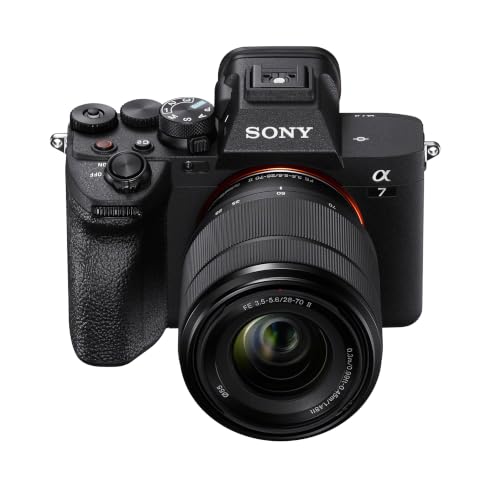


What Each Budget Class Buys
The three classes below show what changes as the budget rises. Prices are approximate street prices for a body with a standard kit lens where one is offered, and a clean used camera from a reputable dealer can pull a midrange body down into an entry level budget.
Entry Class, About $400 to $700
This class covers premium compacts with 1 inch sensors and entry level interchangeable lens bodies. Files are clean in good window light and more than good enough for family albums and online sharing. The limits appear in dim nurseries, where noise climbs sooner and focus slows. Readers buying their first dedicated camera can compare the same ground in our guide to the best cameras for starter photography.
Midrange Class, About $700 to $1,400
Midrange bodies, mostly APS C, add the features newborn work actually rewards: a silent electronic shutter, a tilting rear screen for low angles, and cleaner files at high sensitivity settings. This is the class most home studios and serious parents settle into, because it removes the entry level compromises without charging for speed features a sleeping subject never uses.
Advanced Class, About $1,400 to $2,500
Full frame bodies deliver the cleanest files in dim rooms, the shallowest depth of field for simple backgrounds, and dual card slots that working photographers treat as insurance. You also pay for faster burst rates and rugged sealing that newborn sessions rarely test. Buy this class for file quality and reliability, not because the baby needs it.
How to Choose the Right Camera
Most advice about the best cameras for newborn photography starts with sensor size, but session manners matter first. Work through the factors below in order: safety, quiet operation, focus accuracy, and only then image quality and handling.
Safety Comes Before Every Specification
Stated plainly, the baby is handled by adults only, and the camera stays a technical tool at the edge of the scene. No pose, prop arrangement or prop choice is a camera decision, and no camera feature makes an unsafe pose safe. Straps stay on your neck or wrist near the baby, tripods stand where they cannot be knocked toward the set, and heavy modifiers belong on stands that an adult controls at all times.
A Quiet Shutter and Gentle Light
A sleeping subject decides this purchase. A silent electronic shutter lets you keep shooting through light sleep instead of rationing frames around a mechanical clack. Face detection that works at low volume and a screen that dims right down help the same way. For light, soft continuous sources and plain window light suit newborn skin better than bare flash, and they let you see exactly what the sensor will see.
Focus for a Subject Who Barely Moves
This is the opposite purchase from a sports camera. Burst speed and tracking across a field are wasted here, because the subject is still and the working distance is short. What matters is single point accuracy at wide apertures, where the depth of field can shrink to the width of an eyelash. Eye detection is useful when it locks calmly, but a movable single point you place yourself is the safer tool for posed work.
Sensor Size and Image Quality
Larger sensors gather more light, so full frame files stay cleaner than APS C files at the same sensitivity, and APS C stays ahead of 1 inch compacts. Megapixel counts matter far less than this size ladder, since newborn prints are rarely huge and screens are smaller still. In a dim nursery, the practical test is how the file looks at the sensitivity you will actually use, not the maximum number printed on the box.
Lens Choice Matters More Than Zoom
A fast prime lens around 35 mm or 50 mm, with an aperture near f/1.8, suits most rooms and gives the soft background that suits this subject. Long zoom ranges are dead weight at these distances. Film is a separate medium class with its own cost per roll and no instant review, covered in our guide to the best film photography cameras, and it sits outside the digital choices compared here.
Ease of Use and Battery Life
Sessions pause for feeding and settling, so a camera that wakes fast and keeps its settings saves real frustration. Clear menus, a touch screen for moving the focus point, and guided auto modes help a tired parent more than extra dials. Battery ratings of a few hundred frames per charge are normal for mirrorless bodies, so budget for a spare, and prefer USB C charging that tops up from the same cable as your phone. Newer shooters can ground the basics with our guide to the best beginning photography cameras.
Camera Types in Brief
For the wider market beyond the nursery, our guide to the best cameras for photography compares every class in general terms. For this subject, three types cover nearly every buyer.
Point and Shoot Compacts
A premium compact with a 1 inch sensor and a fast fixed lens is the simplest route to good newborn photos. There is nothing to configure and nothing to change, which suits visiting grandparents and small spaces. The trade is a smaller sensor and no lens choice, so files suffer first when the room is dim.
Mirrorless Cameras
Mirrorless bodies are the default recommendation here: silent shutters, accurate screens, eye detection and interchangeable lenses in a modest body. Nearly every model in this class is covered in depth in our guide to the best digital cameras. The only real cost is battery life, which a spare battery solves cheaply.
DSLR Cameras
An older DSLR still focuses accurately and delivers lovely files, and used prices are kind. The drawbacks are specific to this subject: the mirror slap is audible in a quiet room, live view focus is slower, and silent shooting is limited. Choose one for value and lens access, not for session manners.
Setup and Care Tips
- Wipe the lens with a clean lens cloth, never a shirt, because grit scratches coatings and shows up as haze in soft light.
- Carry a charged spare battery and a second card, since sessions pause often and a flat battery ends them for good.
- Store the camera in a dry, padded bag away from the changing area, where sprays and powders drift through the air.
- Update the camera firmware when the maker releases it, because focus accuracy fixes are common and free.
- Format cards in the camera before a session rather than deleting files on a computer, which reduces card errors.
Newborn Photography Cameras: Questions Answered
What features matter most in cameras for newborn photography?
A dimmable screen matters more than most buyers expect. Sessions often happen in near darkness during night feeds, and a bright rear screen both disturbs the baby and ruins your own night vision. Check that the screen brightness adjusts manually down to a low level, and that the electronic viewfinder can be switched off. Add a tilting screen for floor level angles, and you have the handling trio that quietly separates newborn friendly bodies from general purpose ones.
How much should I spend on my first camera for newborn photography?
Most first time buyers land in the entry class, at about $400 to $700 with a kit lens, and that is a sensible ceiling. Keep roughly a third of your budget back for a fast prime lens and a spare battery, because those two items improve results more than a costlier body does. If you buy used, ask about the shutter count and buy from a dealer who accepts returns, since a worn shutter is an expensive surprise.
Which sensor size is better for low light newborn photos?
The lens aperture can outweigh one step of sensor size. An APS C body behind an f/1.8 prime gathers more light than a full frame body behind a slow kit zoom, and its files in a dim nursery will look cleaner as a result. Sensor size still sets the ceiling when apertures are equal, so compare cameras as body and lens pairs, never as bodies alone, before you decide the size question settles it.
Is a smartphone enough for newborn photography?
A phone is enough for daylight snapshots by a bright window, and its computational modes handle mixed light well. The limits show up after dark and at print sizes beyond a small frame, where small sensors smear fine detail like hair and knit textures. A dedicated camera also gives you a real grip, a tilting screen and consistent manual control, which matters when you repeat the same session setup week after week as the baby grows.
Does a camera for newborn sessions need a flash?
Rarely, and never fired bare and directly at the baby. The best cameras for newborns sessions rely on window light or a dimmable continuous panel, which shows its effect before you shoot and keeps the room calm. If you add light later, choose a continuous source you can turn down low rather than a strobe. This is one more reason a fast lens and a clean high sensitivity file outrank flash power on the shopping list.
Final Thoughts
Choose by session manners first: adult only handling, a silent shutter, and focus that lands precisely on a still subject. Then let the sensor size ladder and a fast prime lens settle image quality inside your budget class. Compare the shortlist in the product table above, and the best cameras for newborn photography will be the quiet body that never wakes the baby.


