
Best Cameras for New Filmmakers: Buying Guide for 2026
Disclosure: We may earn a commission when you buy through links on this page, at no extra cost to you. As an Amazon Associate I earn from qualifying purchases. Learn more

Compare the best cameras for new filmmakers by sensor, lens options, audio and 4K video, with a clear checklist to choose your first filming camera.
Your first filming camera has to teach you while it records. You need controls you can understand, focus help you can trust, and sound that does not ruin a good take. The best cameras for new filmmakers balance those needs without demanding mastery on day one. Use the comparison table below to match each type to your budget and first projects.
Start with how you plan to shoot. A scripted scene, a tutorial at a desk, and a travel diary each place different demands on a camera. The sections below sort those demands into clear groups.

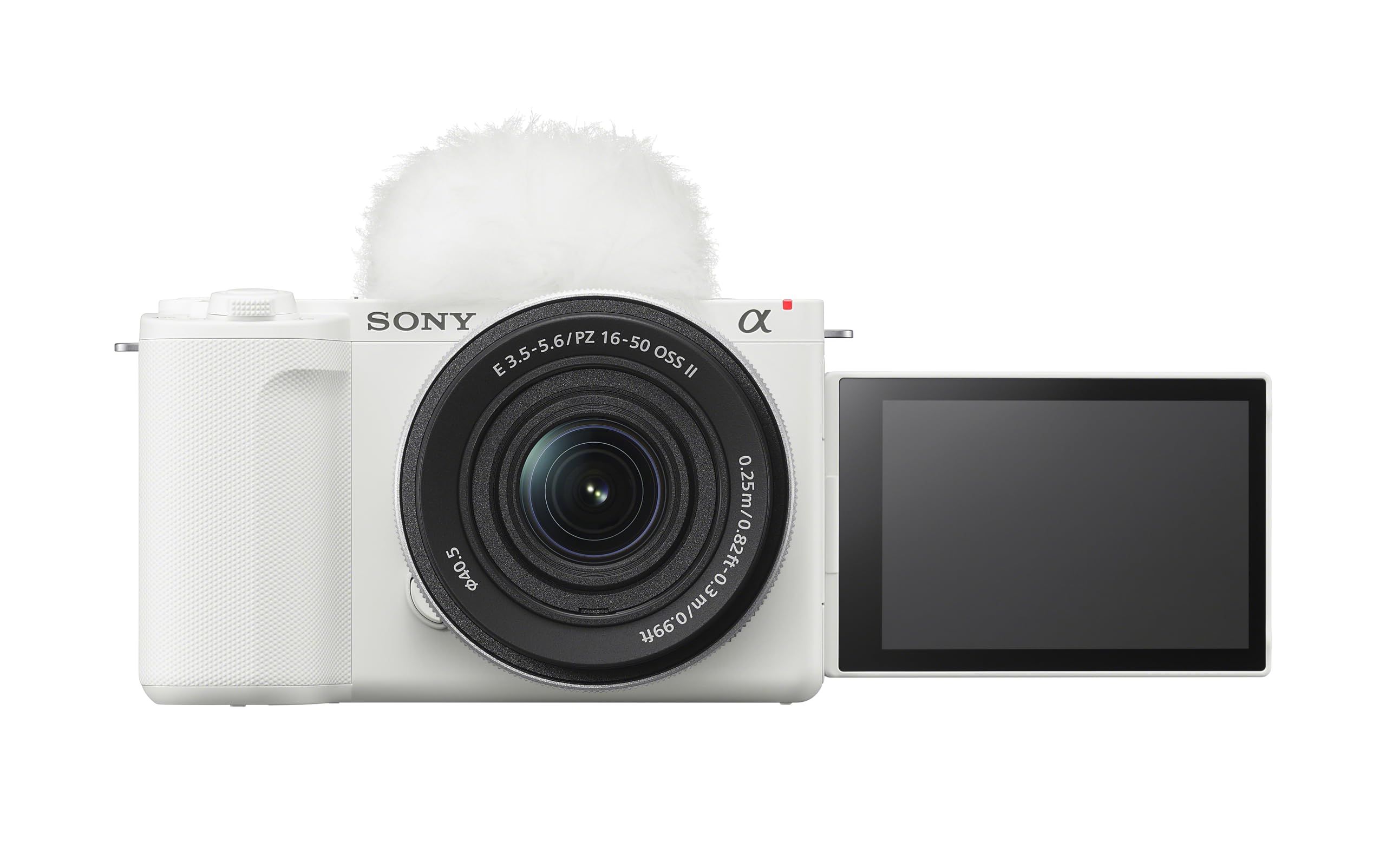



Who Should Buy Which Camera for Filming?
Pick the group closest to your first three projects, and let that choice guide the features you pay for.
Students Shooting First Short Films
You work with friends, borrowed lights, and scenes you can repeat. Choose clear manual controls, a screen you can read outdoors, and focus aids such as peaking. A system with affordable lenses matters more than a huge sensor, because a second lens teaches framing faster than a costly body alone.
Solo Creators Filming Talks and Tutorials
You set the camera on a tripod, step in front of it, and have no one to check focus or sound. Choose strong autofocus with face and eye detection, a screen that flips toward you, and an easy to reach microphone input. Compare the best cameras for beginner filmmakers and notice how many needs match your desk setup.
Hobbyists Moving From Phone Video to Planned Shoots
You know basic framing from your phone, and now you want cleaner sound, softer backgrounds, and steadier clips. Choose a camera that welcomes full auto yet lets you lock exposure and focus as skills grow. A modest body with a good starter lens teaches more than a costly body with a limiting lens.
Key Features to Compare
Compare the best cameras for new filmmakers on the points below before you look at price.
Sensor Size and the Look of Your Footage
Sensor size shapes depth of field, detail, and how clean footage looks away from bright light. One inch sensors sit in compact bodies and keep more of the scene in focus. APS C sensors offer a middle ground, with shallower backgrounds and a wide lens choice. Full frame sensors gather the most light and give the softest backgrounds, but bodies and lenses cost and weigh more. Megapixels matter less for video, because 4K uses only part of still photo resolution.
Low Light Performance for Indoor Scenes
New filmmakers often shoot in living rooms and halls where light is dim and mixed. A wider usable ISO range helps you keep motion natural instead of forcing a slow shutter that blurs movement. Look for clean results around ISO 1600 to 3200 on APS C and higher on full frame, and treat maximum ISO figures with care, because top settings add heavy grain. One small light often helps more than a larger sensor.
Autofocus You Can Trust While Learning
Autofocus decides whether a moving actor stays sharp while you watch performance and framing. Face and eye detection holds a person as they turn or step closer, and touch tracking lets you tap a subject on the screen. Test how smoothly focus shifts between two people, because a sudden jump looks worse than a gentle move. For hand focusing, check peaking and a magnification view.
Video Resolution, Frame Rates and Color Profiles
4K video gives you room to crop a wide shot into a closer view during editing, while standard high definition can suit class projects. Frame rates set your motion options: 24 or 25 frames per second suits story scenes, 30 suits online talks, and 60 lets you slow movement to half speed. Flat color profiles, often called log, hold more detail in bright skies and shadows but need color work in editing. Start with a standard profile.
Image Stabilization and Lens Choice
Image stabilization smooths small hand movements when you shoot without a tripod. Stabilization inside the body works with many lenses, while stabilization inside the objective lens can pair with it for a steadier result. A kit zoom covering wide to short telephoto views handles most early scenes, and its optical zoom range tells you how much framing you can change from one spot. A fixed focal length lens opens wider for dim rooms, but you move your feet to reframe.
Audio Inputs, Screen and Recording Limits
Clear speech carries a scene, so a microphone input is close to essential once you film dialogue. A headphone socket lets you hear hum or rustling while you record, not after. Check screen movement too, because a flip out screen helps solo filming and awkward angles. Finally, confirm recording limits, card cost, and battery life for long takes. For larger projects, see our guide to the best cameras for independent filmmakers.
Camera Types Compared for First Projects
Body style sets your daily routine more than any single spec. The four types below cover most first purchases.
Mirrorless Cameras for Growing Skills
Mirrorless cameras show your exposure in the viewfinder before you record, which shortens the learning loop. Interchangeable lenses let one body serve interviews, wide room shots, and close details. Most new filmmakers start here for the balance of video tools and price. For a wider view, see our guide to the best digital cameras.
Vlogging Cameras for Solo Recording
Vlogging cameras are compact bodies built around a flip screen, a wide lens, and simple audio options. They suit desk talks and daily diaries where speed matters more than a full lens set. Their small sensors keep focus forgiving. The tradeoff is less control in dim light and fewer lens options later.
Action Cameras for Movement and Travel
Action cameras are tiny, tough, and easy to mount on a bike, boat, or backpack strap. Strong stabilization and wide views suit travel and sports scenes. Their fixed wide lens and small controls make dialogue scenes harder, and indoor sound is limited. Treat one as a second camera. Shoppers tracking releases may enjoy our guide to the best new cameras.
Cinema Style Cameras for Planned Sets
Cinema style cameras put video first, with cooling for long takes and menus built around frame rates and profiles. They reward a planned set with lights and a tripod. The body is only part of the budget, because rigs, media, and lenses add up. Most beginners learn faster on a simpler body first.
Common Mistakes to Avoid
- Spending the whole budget on the body leaves nothing for a microphone, so dialogue sounds distant and thin.
- Choosing a huge sensor for prestige makes lenses cost more, so your second lens may never arrive.
- Ignoring autofocus behavior leads to hunting focus during scenes, so good performances become unusable.
- Filming every project in a flat log profile without learning color work leaves footage dull, so delivery slows down.
- Skipping a spare battery and card stops a shoot mid scene, so rented time and willing actors go to waste.
- Buying an action camera as your only camera limits dialogue scenes, so interviews feel cramped and noisy.
Care and Maintenance for Filming Cameras
Clean the lens with a lens cloth, not your shirt, because grit on fabric can scratch the coating. Blow dust off first, then wipe in a slow circle. Carry a spare battery and card, and store the camera in a dry, padded bag away from damp floors. Keep caps on the body and both ends of each lens.
Format cards in the camera after you have copied and checked your files, and update firmware when the maker notes autofocus improvements. Charge batteries after a shoot. Before a long project, record a short test and confirm frame rate and profile match across cameras.
FAQ
What features matter most in cameras for new filmmakers on a first project?
Reliable autofocus, a microphone input, and a screen you can see from your position matter most on a first project. Add one point many beginners miss: a tripod thread and a top mount give places to attach a microphone and a small light. Those fittings expand a simple camera cheaply.
Which sensor size is better for low light scenes for new filmmakers?
A larger sensor is generally better for low light scenes, because each pixel area can gather more light at the same exposure. Lens aperture can narrow that gap, though. An APS C camera with a lens opening to f/1.8 can beat a full frame camera limited to f/4 in a dim room. Judge sensor and fastest lens together, not the body alone.
How much should new filmmakers spend on a first filming camera kit?
Plan the kit price, not the body price. A sensible first total is about $500 to $1200 for most beginners. Reserve roughly a third for sound, cards, a spare battery, a tripod, and one light. A body around $400 to $700 with complete support gear beats a costly body recording with its built in microphone only.
What does optical zoom mean on a camera lens for new filmmakers?
Optical zoom means the lens changes focal length with moving glass, so your subject grows larger without losing detail. A 3x zoom starting wide can reframe from a room view to a head and shoulders shot from one seat. Check the focal length range on the barrel, such as 18 to 55 mm, because those numbers predict the view well. Digital zoom crops the image, so walking closer is usually better.
Is a smartphone enough instead of a dedicated camera for new filmmakers?
A smartphone is enough for practice shorts, class exercises, and learning story structure. Its limits appear when you need a microphone near a speaker, repeatable manual focus, or longer recording without interruptions. Finish two or three phone projects first. If the same limits block each one, a dedicated camera solves a proven problem.
The Bottom Line
Match the camera to your first projects, not to the largest spec sheet. Sensor size, trustworthy autofocus, and a real microphone input decide most results, while lens choice sets how the system grows. Solo creators should weigh the flip screen heavily, and set based groups should weigh manual controls.
When you compare best cameras for new filmmakers with that order in mind, a sensible shortlist forms quickly. Check your final choices in the product table above, and keep money aside for sound and light.


