Best Cameras for Nature Pictures: 2026 Checklist and Buying Guide
Disclosure: We may earn a commission when you buy through links on this page, at no extra cost to you. As an Amazon Associate I earn from qualifying purchases. Learn more

Compare sensor size, lens reach, autofocus and weather sealing for nature pictures with a clear checklist to choose a camera that fits your trips and budget.
Finding the best cameras for nature pictures starts with where you shoot and what you wait for. A misty lake at dawn, a deer at a field edge, and a shaded waterfall all ask for different reach, light handling, and carrying comfort. This guide turns those needs into a simple checklist, so you can match a camera and lens to your subjects before you spend.
Use the comparison table below to sort the main types, then work through the features that follow. Shoppers who compare best nature picture cameras often start with megapixels, but field results depend more on the lens you can carry and focus that locks onto moving animals.




Who Should Buy a Camera for Nature Pictures?
Your main subject should decide your shortlist. The three groups below lead to a different balance of reach, weight, and control.
Landscape Photographers Who Hike to Viewpoints
You need rich detail in skies, water, and foliage, plus a kit light enough for climbs. Prioritize a larger sensor, a sharp wide to standard zoom, and quick access to aperture controls as clouds move. A tilting screen helps with low tripod work near streams, while weather sealing matters more than extreme reach.
Wildlife and Bird Watchers Who Need Reach
Your subjects rarely let you get close, so lens reach and reliable tracking matter most. Look for a long telephoto zoom or a bridge camera with strong optical zoom, subject detection for animals and birds, and a fast burst rate for wingbeats. Weight still matters, because you may hold the camera up for minutes.
Travelers and Families Who Want Nature Photos Without a Heavy Kit
You want good trail, garden, and campsite photos without packing a bag of lenses. A compact camera with a versatile zoom, or a small mirrorless body with one all purpose zoom, fits that goal. Simple auto modes and easy phone transfer help you use it often.
Key Features to Compare
Sensor Size and Image Quality for Nature Pictures
Sensor size shapes detail, dynamic range, and how clean files look when light fades. One inch sensors suit compact cameras, APS C sensors balance quality and price, and full frame sensors give the most room to crop and the strongest shadow detail. Megapixels alone do not guarantee sharp shots, because a soft lens wastes resolution. Choose the largest sensor you will carry willingly, then spend the rest on a good lens.
Lens Reach and Optical Zoom for Distant Subjects
Reach decides whether a distant animal fills the frame or becomes a small shape you must crop hard. For birds and shy wildlife, many buyers need about 400 mm or more, while flowers and broad views suit about 24 mm to 100 mm. Trust optical zoom, not digital zoom, because optical reach keeps real detail. If you compare models in our guide to the best cameras for pictures, check the lens range first.
Autofocus That Tracks Birds and Moving Animals
Subjects move through grass, branches, and uneven light, so autofocus needs to find an eye or body and stay with it. Animal and bird eye detection and responsive tracking help you keep a running fox or flying egret sharp. Check how fast you can move the focus point with gloves on. Similar demands appear in our guide to the best cameras for sports pictures.
Low Light Performance at Dawn and Dusk
Many strong nature moments happen in soft, low light, so a camera must handle higher ISO settings without smearing feather or fur detail. A fast lens aperture, such as f2.8 to f4 at your most used focal length, lets in more light and lowers the ISO you need. Stabilization also helps for still subjects at slower shutter speeds. Judge samples at the ISO values you expect to use.
Weather Sealing, Size, and Battery Life Outdoors
Sealed bodies and lenses resist drizzle and dust better than unsealed gear, though no camera is waterproof unless it carries a clear rating. Grip matters on uneven ground, and a viewfinder helps when sun washes out a rear screen. Check shots per charge, carry a spare for cold days, and favor USB C charging from a power bank. Our guide to the best digital cameras covers other body styles.
Camera Types for Nature Pictures Compared
That balance of reach, light, and comfort is why the best cameras for nature pictures are not always the biggest models. Your type choice should follow your subject and how far you walk.
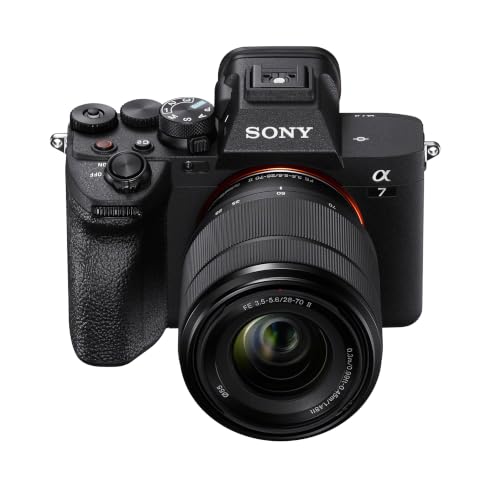
Mirrorless Systems for Flexible Outdoor Kits
This type gives you the widest lens choice, the strongest upgrade path, and usually the best tracking tools. Start with a standard zoom for landscapes, then add a telephoto lens later for wildlife. The cost is a larger bag and higher total spend. If you plan to grow over several seasons, start here, as our guide to the best nature cameras also shows.
Bridge Cameras With Long Optical Zoom
A bridge camera pairs a fixed superzoom lens with a body shaped like a small mirrorless camera. You get very long reach without swapping lenses, which suits birding walks and dusty trails. The trade off is a smaller sensor, so files hold up less well in deep shade or after heavy cropping. Choose it when reach per dollar matters most.
Compact Cameras for Trails and Travel
A compact camera with a one inch sensor and a moderate zoom fits a jacket pocket and is quick at viewpoints and campsites. It beats a phone through real optical zoom, a better grip, and more direct controls. It will not match a long telephoto setup for distant birds, so treat it as a light everyday option.
Quick Buyer Checklist for a Nature Camera
Run through these questions before you buy. A no answer should point you to a different type or a different lens.
- Does the lens reach cover your main subject without relying on digital zoom?
- Can you hold the camera and its longest lens comfortably for ten minutes?
- Does the autofocus offer animal or bird detection if wildlife is a main reason for buying?
- Are the body and lens sealed well enough for the drizzle and dust you expect?
- Does one battery cover your longest day out, with a spare available at a fair price?
- Can you change core settings quickly with cold or gloved hands on a trail?
- Does the total cost, including lens, card, bag, and spare battery, still fit your budget?
Common Mistakes to Avoid
- Buying on digital zoom claims alone leaves distant birds soft and heavily cropped, so the detail you wanted never appears.
- Choosing the highest megapixel count while ignoring lens quality wastes money, because a soft lens cannot deliver the resolution the sensor records.
- Changing lenses in wind on an exposed ridge lets dust reach the sensor, so spots can show across a whole set of sky photos.
- Packing no spare battery or card ends a dawn shoot early, because cold air shortens battery life and bursts fill cards fast.
- Using a new camera for the first time on a real sighting leads to missed settings, so the moment becomes a lesson in menus.
- Judging a camera only by bright midday samples hides weak low light files, so dawn and forest shots disappoint later.
Care and Maintenance for Nature Cameras
Wipe lenses with a clean lens cloth, not your shirt, because grit in fabric can scratch coatings. After a wet outing, dry the body and let it air out before closing the bag. Store the camera in a dry, padded bag with the lens cap on.
Carry a blower for loose dust, and avoid changing lenses when wind blows grit across a trail. Check seals and port covers before each trip, since a cover left ajar invites moisture. Clean the sensor only with tools made for your sensor size.
Frequently Asked Questions
What features matter most in cameras for nature pictures?
Lens reach, autofocus tracking, and sensor and lens quality matter most in cameras for nature pictures. Together they decide whether a distant, moving subject comes out sharp and detailed. A practical extra is a quiet shutter option, because less noise helps you keep working near cautious animals at close range.
Is a smartphone enough instead of a camera for nature pictures?
A smartphone is enough for wide landscapes, trail snapshots, and close flowers in good light. It falls short for distant wildlife, because cropping a small sensor file quickly removes feather detail. A dedicated camera also gives you a viewfinder for bright sun and physical dials you can adjust while watching a subject.
Which camera type is better for nature pictures in low light?
A mirrorless camera with a larger sensor and a fast lens is usually better for nature pictures in low light. It keeps detail cleaner at higher ISO values than a small sensor bridge model. If you shoot from one spot at dusk, add a sturdy tripod, because support lets you use slower shutter speeds for still scenes.
What camera specs matter most for beginners taking nature pictures?
Beginners taking nature pictures should value a versatile zoom range, clear menus, and reliable auto modes over exotic video specs. A tilting screen helps with low and high angles while you learn. Start with one lens covering wide views to moderate telephoto, then borrow a longer lens for a weekend before buying reach.
How much should I spend on a first camera for nature pictures?
Many first time buyers do well at about $500 to $1,200 for a camera and kit lens, leaving room for a bag and spare battery. Spending more mainly buys a longer lens or stronger tracking. If birds are your main subject, shift more budget toward reach, because a modest body with the right lens beats a costly body with a short lens.
Wrapping Up
Start with your subject, then choose reach, sensor size, and sealing for the places you visit. Let the checklist settle the type, and let lens choice settle the model. When you compare the best cameras for nature pictures for your trips, use the product table above to confirm the kit is one you will happily carry in changing light.