
Best Cameras for Nature Photography under 500 in 2026: Everything to Know Before Your First Purchase
Disclosure: We may earn a commission when you buy through links on this page, at no extra cost to you. As an Amazon Associate I earn from qualifying purchases. Learn more

Learn how to choose a camera for nature photography under $500, with plain guidance on sensors, zoom, focus, weather sealing and first shoots.
Buying your first nature camera feels confusing because spec lists rarely explain what changes outdoors. The best cameras for nature photography under 500 are not the ones with the longest spec list. They focus fast on animals, reach far for shy subjects, and stay simple enough that you keep shooting. The comparison table below will make more sense once you know the key numbers.
This guide starts with the basics, then walks through sensors, lenses, focus and outdoor durability in plain language. Each section tells you what a feature does and which option suits which subject.

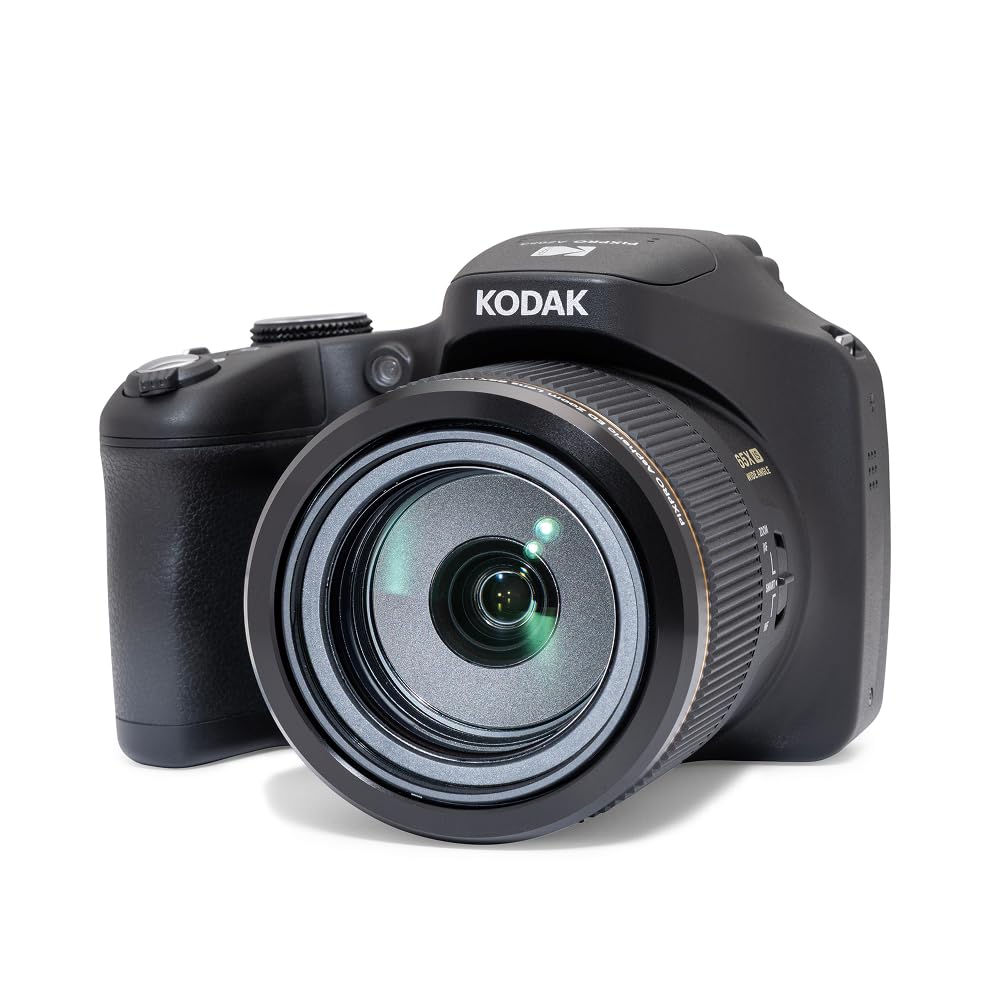


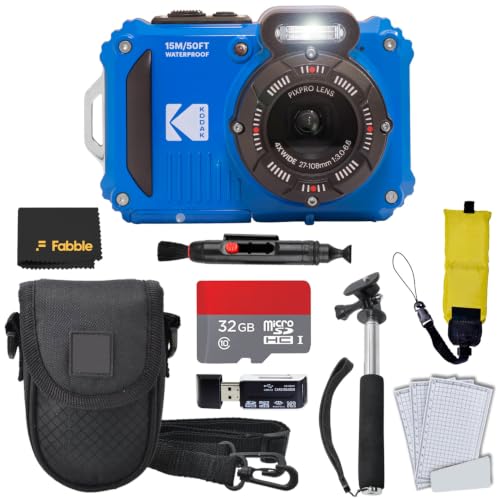
Cameras 101: The Basics for Nature Shooting
A camera records light through a lens onto a sensor. Three settings control most results. Aperture controls how much light enters and how blurred the background looks. Shutter speed controls how long light enters and whether a moving animal looks sharp. Sensitivity, listed as ISO, controls how the sensor reacts in dim light, and higher values can add grain.
Camera types differ mainly in the lens. A compact camera has a fixed lens and often a long zoom in a small body. A mirrorless or basic DSLR camera lets you change lenses, which costs more but gives more choice later. For broader background, see our guide to the best cameras for photography for how general purpose models differ.
Who Should Buy a Nature Camera Under $500?
Your main subject should decide your camera type. Birds, landscapes and flowers place different demands on zoom, focus and size.
Trail Walkers Who Photograph Landscapes and Plants
You shoot scenes that stay still, so you can take time to compose. Choose a camera with a larger sensor and a lens that covers wide views plus moderate reach for details. Weight matters because you carry the camera for hours. A tilting screen helps for low flowers.
Beginners Who Watch Birds and Wildlife from a Distance
You need reach more than a large sensor, because distant animals fill only a small part of the frame. Choose a compact camera with strong optical zoom, or a lens model only if a longer lens fits the total budget. Fast autofocus and a burst mode matter, since an animal may step away within seconds.
Families and Travelers Who Add Nature to Trips
You want one camera for parks, beaches, gardens and zoo visits without a bag of lenses. Choose a simple compact model with a versatile zoom, clear auto modes and wireless transfer. Action cameras and vlogging cameras suit 4K video near the user, but their wide lenses make distant wildlife look small.
Camera Specs in Simple Words for Nature Shooters
Read each spec through your subject. A number that helps for birds may add cost without helping for landscapes.
What You Can Realistically Get Under $500
At this budget you can expect a capable 1 inch sensor compact, a long zoom compact with a smaller sensor, or an entry level interchangeable lens camera with a kit lens. Long zoom models give reach but weaker low light results. Larger sensor models give cleaner images but less reach unless you buy another lens later. When you compare the best cameras for nature photography under 500 as a group, protect the lens and autofocus first, because those limits are hard to work around outdoors. For the same budget without the nature focus, see our guide to the best cameras under 500.
Sensor Size and Image Quality for Nature Photos
Sensor size affects how much light the camera gathers and how clean shadows look at dawn or in shade. A 1 inch sensor is a strong step above a phone and fits in compact bodies. An APS C sensor is larger and usually gives cleaner files and softer background blur, but bodies and lenses grow larger. Full frame sits above this budget in most cases. Megapixels matter less than sellers suggest, because about 20 megapixels already allow large prints and sensible cropping.
Lens and Zoom Range for Distant Subjects
Optical zoom uses the lens itself to magnify a subject, so detail stays intact. Digital zoom crops the image and discards detail, so judge a camera by optical zoom only. For interchangeable lenses, focal length tells the story. A kit lens around 18 to 55 mm suits landscapes and plants, while wildlife often needs about 200 to 300 mm. A wider maximum aperture, shown by a lower f number, lets in more light for dawn and shade.
Autofocus and Image Stabilization Outdoors
Autofocus decides how quickly the camera locks onto a subject and whether it follows movement. Look for subject detection for animals or birds if offered, plus a burst mode of at least about 5 frames per second for action. Image stabilization steadies small hand movements, which helps most at long zoom and in low light, where shaking can soften fur and feathers. It cannot freeze a moving animal, so shutter speed still matters.
Durability, Weather Sealing and Ease of Use
Nature work means dew, dust, light rain and cold fingers. Weather sealing helps against moisture and dust, but it does not make a camera waterproof unless the maker rates it for underwater use, so keep a rain cover for steady rain. Clear menus, a good auto mode, controls you can reach with gloves, and wireless transfer reduce missed shots. Plan a spare battery for full days. For broader budget models, see our guide to the best photography cameras under 500.
Choosing a Camera Type for Your Nature Subjects
A long zoom compact suits beginners who want birds and wildlife without buying lenses. An interchangeable lens camera suits learners who accept shorter starting reach for better image quality and room to grow. A rugged compact suits wet and sandy places where a larger camera stays in the bag. For a nature only view, see our guide to the best cameras nature photography. Match the type to the subject you will shoot most in your first year.
Common Mistakes to Avoid
These errors cost beginners money or photos early on.
- Paying for digital zoom leaves you with cropped images that look soft when printed.
- Buying a lens camera body with no budget left for a longer lens leaves wildlife too small in the frame.
- Ignoring weather sealing and shooting in drizzle risks moisture damage to the body and lens.
- Choosing megapixels over autofocus speed leads to large files that still miss the moment.
- Carrying no spare battery or card ends a good morning of shooting early.
- Using a slow shutter speed for moving animals turns focus work into blurred wings and legs.
Preparing Your Nature Camera Before the First Outing
Charge the battery fully, set the date and time, and format the memory card in the camera before your first outing. Turn on stabilization, choose the largest image size and quality you will use, and set autofocus to follow a moving subject if offered. Take practice shots at home across the full zoom range so you learn its limits. On your first walk, stay with one subject type and check sharpness at full size.
Care and Maintenance for Nature Cameras
Clean the lens with a lens cloth, not your shirt, because shirt fabric can hold grit that scratches the coating. Use a blower first to remove dust. After beach or rain outings, wipe the body with a damp cloth, dry it fully, and store it with the lens cap on. Keep a spare battery warm in a pocket, since cold drains charge faster.
Common Questions From Budget Nature Photographers
Can you get a good camera for nature photography under $500?
Yes, you can get a good camera for nature photography under $500 if you accept one trade off. Long zoom compacts give reach for wildlife, while larger sensor models give cleaner images for landscapes. Also check the return window, because grip and menu handling at home tell you whether you will enjoy carrying it on long walks.
What features matter most in cameras for nature photography on a budget?
Optical zoom, autofocus speed and sensor size matter most for nature photography on a budget. Together they decide reach, sharpness on moving subjects and shade quality. One point listings hide is the aperture at the longest zoom setting, where low light quality drops, so check that end rather than the wide end alone.
Which camera features work better for low light nature photography?
A larger sensor, a wider lens aperture and stabilization work better for low light nature photography. They gather more light and allow slower shutter speeds for still subjects. Dawn shoots also benefit from a tripod mount and a timer or remote release, which remove the small shake caused by pressing the shutter button by hand.
Is a smartphone enough instead of a camera for nature photography?
A smartphone is enough for wide landscapes and close plants, but it falls short for distant wildlife. Most phones rely on digital cropping for reach, so feathers lose detail fast. A dedicated camera also gives you a grip, physical controls and a viewfinder you can use in bright sun, where a phone screen can be hard to read.
What camera specs matter most for beginners in nature photography?
Clear auto modes, reliable autofocus and a zoom range matched to your subjects matter most for beginners. Those specs let you learn composition first. Start with the mode that controls aperture while the camera sets shutter speed, because background blur is the creative choice beginners notice first in flower and animal portraits.
How much should you spend on a first camera for nature photography?
Spend most of your budget on the camera and lens, and keep about $50 to $100 aside for a card, spare battery, strap and bag. Spending the full amount on the body alone leaves you without the basics for a full day out. A sale that brings a better lens inside the total usually helps more than a small body upgrade.
Our Verdict
For a first purchase, decide by subject first. Reach and autofocus lead for wildlife, sensor size leads for landscapes, and simple controls lead while you learn. Check the product table above against those three points and how much weight you will carry.
Chosen with those limits in mind, the best cameras for nature photography under 500 can teach you the craft and deliver sharp nature photos for years of outdoor use.


