Best Cameras for Natural Light Photography of 2026: Complete Buying Guide
Disclosure: We may earn a commission when you buy through links on this page, at no extra cost to you. As an Amazon Associate I earn from qualifying purchases. Learn more

Compare cameras for natural light photography by sensor, lens speed, dynamic range, autofocus and screen, with a clear checklist for daylight shooting.
Natural light changes by the minute. Morning shade is soft and cool, midday sun is harsh, and the last hour of the day is warm but fading fast. The best cameras for natural light photography handle all three without a flash, holding detail in bright skies and clean color in deep shade. This guide shows you which specs actually shape that result.
You will learn how sensor size, lens speed, autofocus and screen design work together when daylight is your only light source. Match those points to your subjects, your budget and the places you shoot, then compare your shortlist against the comparison table below.
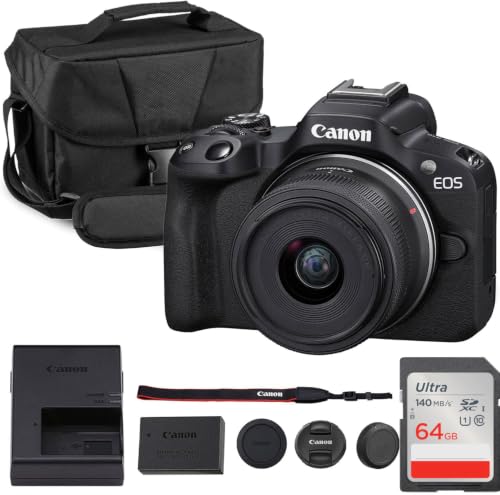


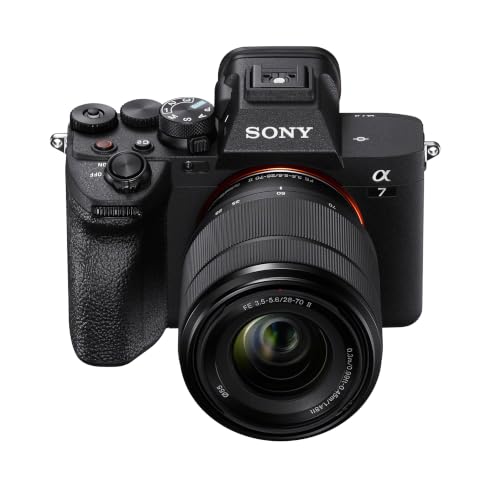


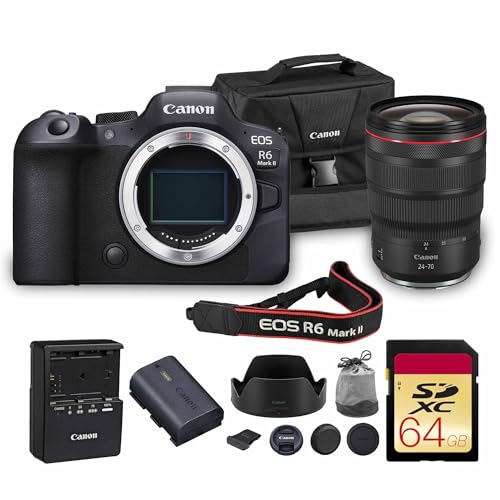

Who Should Buy Cameras for Natural Light Work?
Your usual subject decides which strengths matter most. A portrait shooter and a landscape shooter both skip flash, but they ask very different things from a camera.
Portrait Photographers Who Use Window Light and Shade
You shoot faces near windows, under trees and on porches, where light is soft but often dim. Prioritize a fast lens option, reliable eye detection and a sensor that keeps skin tones smooth as ISO rises. A tilting screen helps you compose at waist height while your subject stays relaxed and unaware of the camera.
Travel and Landscape Photographers Who Shoot Outdoors All Day
You carry your camera for hours and shoot in everything from bright plazas to shaded alleys. Weight, battery life and weather sealing matter as much as image quality. A sealed body shrugs off light rain and dusty paths.
Families and Creators Who Photograph Daily Life Without Flash
You want birthdays, school events and home videos to look good with no setup and no harsh flash. Choose simple controls, dependable automatic modes and strong video, and see our guide to the best beginning photography cameras if this is your first dedicated camera. Good color straight from the camera saves you editing time every week.
Key Features to Compare
Choosing the best cameras for natural light photography starts with six factors. Judge each one by the light you shoot in most, not by the longest spec list.
Sensor Size and Dynamic Range for Bright and Shaded Scenes
Sensor size shapes how much light a camera gathers and how much contrast it can record in one frame. Compact 1 inch sensors suit bright days, APS C sensors balance size and quality for most buyers, and full frame sensors give the widest dynamic range for scenes that mix sunlit walls with deep shade. Megapixels matter less than that range, because a file that keeps detail in both highlights and shadows needs no rescue later.
Lens Speed and Focal Length for Shade and Golden Hour
Lens speed is the maximum aperture, shown as an f number. A lens that opens to f/1.8 or f/2.8 gathers far more light than a kit zoom at f/4 or f/5.6, so you can keep shutter speeds fast and ISO low as daylight fades. Shorter focal lengths suit rooms and streets, while a moderate telephoto flatters portraits and separates your subject from a busy background. If you buy one upgrade first, make it a fast lens.
High ISO Control and Clean Color as Daylight Fades
Shade, overcast evenings and indoor window light all push ISO upward. A good camera keeps noise fine and color accurate at those settings instead of smearing detail or shifting skin toward green. Raw file support gives you room to lift shadows later without banding. When evening scenes are your main subject, see our guide to the best cameras for low light photography for models built around that strength.
Autofocus That Finds Eyes and Follows Moving Subjects
Autofocus decides how many of your frames are sharp, especially with a fast lens where the sharp zone is thin. Eye detection locks onto a face even when your subject turns or a child darts sideways, and subject tracking holds focus while you recompose. Test the modes you will use most, because a system that suits still portraits may track runners, cyclists and pets less confidently.
Image Stabilization and a Screen You Can Read in Bright Sun
Image stabilization steadies the camera body or the lens, letting you hand hold slower shutter speeds in shade without blur from your own movement. Outdoors, an electronic viewfinder earns its place, since glare can wash out a rear screen at midday. A tilting screen with a strong brightness setting covers low and high angles. Judge exposure by the histogram when glare makes any display hard to trust.
Battery Life, USB C Charging and Video for Daylight Shoots
Still photographers should look for a rating of about 300 or more shots per charge, while heavy video use drains a battery far faster. USB C charging lets you top up from a power bank between locations. For video, 4K recording, a microphone input and a screen that flips forward cover most daylight filming, and log profiles help when contrast is strong and you plan to grade the footage.
Types of Cameras for Natural Light Shooting
Each camera type trades size, lens choice and control in a different way. If you want a wider view of the whole market first, see our guide to the best cameras for photography.
Mirrorless Cameras for Interchangeable Lenses
Mirrorless cameras pair compact bodies with a wide choice of lenses, from fast primes for portraits to zooms for travel. Live exposure preview shows brightness changes before you press the shutter, which helps when light shifts quickly. They suit buyers who expect their needs to grow, because you can add a faster lens later instead of replacing the whole camera.
Vlogging Cameras for Daylight Filming and Stills
Vlogging cameras favor video, with forward facing screens, clear audio options and autofocus tuned for a presenter who moves. Many use fixed or compact zoom lenses that work well in bright conditions. Choose one if filming yourself in daylight is your main job, and accept that a small sensor gives you less control over background blur and shaded scenes.
Action Cameras for Bright Outdoor Adventures
Action cameras are tiny, tough and built for sun, water and movement, with very wide fields of view and strong stabilization. That design serves hikes, rides and beach days well. Their small sensors and fixed wide lenses limit portrait blur and fine detail in shade, so treat one as a companion for adventure days rather than your only camera for family portraits.
Common Mistakes to Avoid
- Choosing by megapixels alone leaves you with huge files and poor shadow detail in mixed light.
- Buying a slow kit lens only means high ISO noise every time you shoot in shade.
- Ignoring dynamic range means blown white skies or blocked black shadows in midday contrast.
- Skipping a viewfinder leaves you guessing at exposure when sun glare washes out the screen.
- Spending your whole budget on a body leaves nothing for the fast lens your light actually needs.
- Overlooking grip and control layout makes a capable camera slow and tiring to adjust outdoors.
Care and Maintenance for Cameras Used in Natural Light
Clean the front lens element with a soft lens cloth, never your shirt, because fabric grit can scratch coatings. Blow loose dust off first, then wipe in small circles from the center outward. Keep a cloth in every bag you use, since fingerprints soften contrast in bright scenes long before you notice them on the screen.
Store the camera in a dry, padded bag away from direct sun, and let a damp body dry fully before you close the bag after a rainy shoot. Carry a spare battery on long days, charge both the night before, and update the camera firmware when the maker releases autofocus or stability improvements. Wipe salt spray and sunscreen off the grip and dials the same day, because both can work into seams and stiffen controls over time.
FAQ
What features matter most in cameras for natural light photography?
Dynamic range, lens speed and autofocus matter most in cameras for natural light photography. Together they decide whether one frame can hold a bright window and a shaded face at once. One practical check is to shoot a test scene with light falling across it, then view the file at full size and look for clean shadow detail rather than gray mush.
How much should a first camera for natural light photography cost?
A first camera for natural light photography usually costs about $500 to $1,000 with a starter lens. Keep roughly a third of your budget aside for a fast lens or a second battery within the first year. Our guide to the best cameras for starter photography explains starter setups in more depth.
Is a smartphone enough for natural light photography instead of a dedicated camera?
A smartphone is enough for casual natural light photography in good daylight. Phone software blends several exposures to tame contrast, which works well for quick sharing. A dedicated camera pulls ahead when you want shallow depth of field, clean files in shade, or prints larger than a screen, because its bigger sensor records one honest exposure with more detail.
What specs matter most for beginners shooting in natural light?
Beginners shooting in natural light should value clear menus, a helpful automatic mode and a lens that opens to f/2.8 or wider. Those traits let you learn one control at a time while still getting sharp results. A camera that shows a live histogram also teaches exposure faster than one that hides it, since you see blown highlights before you take the shot.
Which camera type handles shade and evening light better for natural light portraits?
A mirrorless camera with a fast prime lens handles shade and evening light better for natural light portraits. The wide aperture keeps ISO moderate while the larger sensor protects skin texture. Position your subject facing open sky rather than a dark wall, and that simple turn often adds more light than one ISO step on the camera.
Our Verdict
Start with dynamic range and lens speed, then confirm that autofocus, screen visibility and battery life fit the way you shoot. The right match feels simple in use, because the camera stops fighting the light you already have. Compare your finalists in the product table above, and choose the best cameras for natural light photography option that serves your most common scene, not your rarest one.