Best Cameras for Long Exposure: The Buyer Checklist for 2026
Disclosure: We may earn a commission when you buy through links on this page, at no extra cost to you. As an Amazon Associate I earn from qualifying purchases. Learn more

Compare the best cameras for long exposure with a clear checklist covering sensor size, shutter control, stability, battery life, and weather sealing.
Long exposure work asks more of a camera than ordinary snapshots, because the shutter stays open for seconds or minutes while light slowly builds the image. The best cameras for long exposure share a few traits that matter far more than headline megapixels: full manual shutter control, clean files at long exposure times, steady support options, and power that lasts through a cold night of shooting.
This guide walks through the checklist used to judge any camera for night skies, silky waterfalls, light trails, and smooth seascapes. Work through each section, compare your shortlist against the comparison table below, and you will know which specs deserve your money. If you are still deciding what kind of camera fits your wider goals, start with our guide to the best cameras for photography and then return here for the specifics.


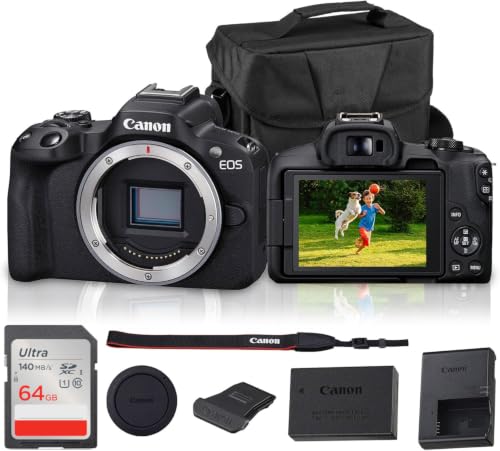
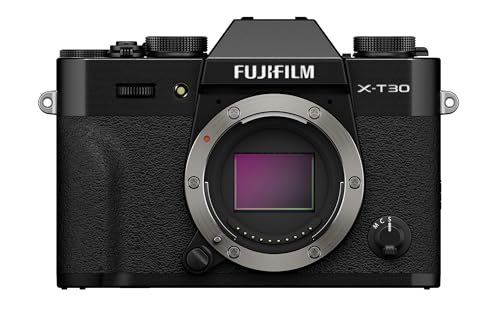


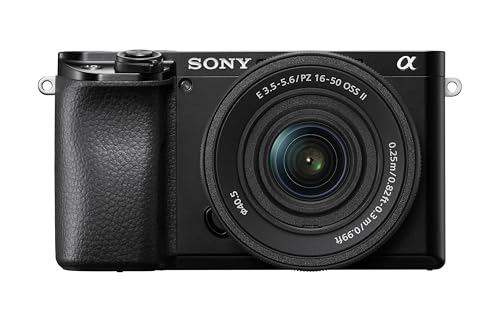

How This Checklist Evaluates a Long Exposure Camera
Every camera in the product table above can be scored against the same criteria. The sections below explain what each factor means in the field and where a weak spec will quietly ruin otherwise careful work.
Shutter Control and Exposure Modes
Full manual control over shutter speed is the entry ticket, because long exposure work lives beyond the automatic modes. Look for a timed range that reaches at least 30 seconds, plus a bulb mode that holds the shutter open for minutes when a scene is very dark. A built in interval timer helps for star trails and time lapse sequences, and a remote release input or a reliable phone app prevents the shake that comes from pressing the shutter button by hand.
Sensor Size and Image Quality
Sensor size shapes how clean a long exposure file looks. Compact models with a 1 inch sensor can do fine work in good light, but APS C and full frame sensors gather more light per pixel and hold shadow detail better when exposures stretch into minutes. Megapixels matter less than many buyers expect, since a moderate count on a larger sensor usually beats a huge count crammed onto a small one. Judge sample files at the exposure lengths you plan to use, because noise and color shifts often appear only when the sensor works for a long stretch.
Low Light Performance and Noise Control
Long exposures heat the sensor, and heat creates noise that shows up as random bright pixels and muddy shadows. A wide native ISO range gives you flexibility, but the real test is how the camera handles a two or three minute exposure at a moderate ISO. Built in long exposure noise reduction can help by taking a second dark frame, though it doubles your waiting time between shots, so a camera that lets you switch it off gives you control over the tradeoff. Clean raw files matter most, because raw data gives you far more room to lift shadows later without banding.
Stability and Image Stabilization
Sharp long exposures depend on support more than on any electronic feature. In body image stabilization and lens stabilization help with slow handheld shots around a second, but they cannot replace a tripod once exposures run longer. In fact, stabilization systems can drift and blur an image when the camera sits locked on a tripod, so favor cameras that let you switch stabilization off easily. Also check whether the battery door stays reachable while a quick release plate is mounted, because small annoyances like that add up during a long session.
Weather Sealing and Build Quality
Long exposure sessions often happen beside water or under night skies where dew settles on everything. Weather sealing around the dials, buttons, and lens mount protects the camera from drizzle and spray near waterfalls and coastlines. A metal chassis handles knocks in a camera bag better than thin plastic, and sealed ports keep dust out of the remote and charging connections. Sealing is never a license to soak the camera, so still plan on a rain cover for steady rain.
Controls and Ease of Use in the Dark
You will operate this camera with cold fingers, often wearing gloves, guided by a dim red light or no light at all. Physical dials for shutter speed and aperture beat menu diving every time. A tilting rear screen helps when the tripod sits low near water or high above your eye line, and a clear live view histogram keeps exposure honest when the scene is too dark to judge by eye. The easier a camera is to run without looking, the more attention you can give the scene itself.
Battery Life and Power Options
A sensor held open for minutes, plus a live view screen running the whole time, drains batteries far faster than the shot counts printed in spec sheets. Treat the rated shots per charge as an optimistic ceiling and plan on carrying spares. Cameras that charge or run over USB C are easier to feed from a power bank during an all night session. This is also where long exposure needs overlap with video work, so readers comparing both should see our guide to the best cameras for long videos for notes on sustained power and heat.
Size, Weight, and Ergonomics
The best camera for a night shoot is the one you actually carry to the location. A heavy full frame body with a fast wide lens delivers superb files, yet a lighter mirrorless kit may reach more trailheads, bridges, and rooftops simply because it is less of a burden. Balance matters too, since a front heavy lens on a small body can creep on a tripod head between frames. Grip shape and button spacing count as real buying factors, not luxuries, when sessions last for hours in the cold.
Buying Guidance: Where the Money Should Go
With no single model right for everyone, spend in the order that protects image quality first. Apply the priorities below to whatever models appear in the product table above.
What Entry Level Money Should Buy First
A modest budget goes furthest when it covers manual shutter control, raw file support, and a lens mount with affordable wide lenses. Skip paying extra for huge megapixel counts or flashy video modes you will not use. Put part of the budget aside for a sturdy tripod and a remote release, because a cheaper camera on solid support beats an expensive one on wobbly legs. Many general models covered in our guide to the best digital cameras meet the basic shutter and raw requirements, so use this checklist to filter that wider field down to true candidates.
Where Midrange Spending Actually Helps
The middle tier is where long exposure quality jumps in ways you can see. Better sensors hold cleaner shadows at minute long exposures, weather sealing becomes common, and controls grow more direct. You also gain wider native ISO ranges and more dependable autofocus for the ordinary shooting you do between night sessions. Spend here before chasing exotic lenses, because body level noise control and sealing cannot be added later through accessories.
When a Premium Body Earns Its Price
Premium bodies earn their cost through consistency rather than spectacle. Expect very clean long exposures with less heat related noise, robust sealing, dual card slots for backup on paid work, and power options that support hours of continuous shooting. Working photographers and serious night sky shooters benefit most, especially when a failed session cannot be repeated. Casual shooters often gain more by pairing a midrange body with a faster wide lens and a better tripod.
Quick Buyer Checklist
Run through these questions before you order. A camera that answers yes to nearly all of them is a sound long exposure choice.
- Does it offer full manual shutter control with a bulb mode for exposures beyond 30 seconds?
- Can it shoot raw files so you keep maximum editing room for dark scenes?
- Does it accept a remote release or a dependable phone app for touch free shooting?
- Can image stabilization be switched off for tripod work?
- Is the body weather sealed around the dials, buttons, and lens mount?
- Can it charge or run over USB C so a power bank can extend a night session?
- Does the battery door stay reachable with a tripod plate attached?
- Do the dials and buttons stay usable while you wear gloves?
Red Flags to Watch For
Some listings look impressive until you read them closely. Treat the following as warnings when you compare models.
- Vague shutter claims that never state a longest timed speed or whether a bulb mode exists.
- No raw file support, which locks you into processed files with little shadow detail to recover.
- Stabilization that cannot be turned off, a real problem for locked down tripod exposures.
- Proprietary batteries with no USB charging path, leaving you helpless when spares run dry far from an outlet.
- Marketing that leans on digital zoom numbers instead of sensor and lens facts, a sign the basics are weak.
Choosing Cameras for Your Situation
The right choice shifts with what you shoot, so weight the checklist factors that match your favorite subjects.
Best Cameras with Long Exposure: What to Check
When a listing says a model comes with long exposure capability, verify what that phrase really covers. Some cameras cap timed exposures at a few seconds and lean on a scene mode that gives you no manual control at all. Check for a true bulb mode, raw support, and a remote option, because those three items separate a genuine tool from a marketing label.
Best Cameras for Long Exposure Shots: What to Check
Thinking in terms of finished shots shifts the focus to lens choice and framing. Wide lenses suit star fields and sweeping seascapes, while longer focal lengths isolate details in fog and falling water. If your scenes involve distant subjects at dusk, our guide to the best long zoom cameras explains reach and aperture tradeoffs that apply here too. Also weigh how the camera previews exposure on screen, since an accurate live simulation prevents wasted test frames.
Tips to Get the Most From Your Camera
Good habits protect both your files and your gear. Clean the front element with a lens cloth rather than your shirt, because shirt fabric can drag grit across the coating and leave fine scratches. Store the camera in a dry, padded bag with a small desiccant pack after damp outings so moisture does not linger in the dials. Finally, practice the full setup at home in daylight, so changing settings in the dark becomes calm muscle memory instead of guesswork.
Frequently Asked Questions
What features matter most in a camera for long exposure work?
Manual shutter control with a bulb mode matters most, followed closely by clean raw files and the option to use a remote release. After that, weigh sensor level noise at long exposures, weather sealing, and battery options. One point buyers overlook is the screen: a bright, accurate live view with a histogram you can read at a glance saves repeated test frames and shortens every session.
Does sensor size matter for long exposure photographs?
Yes, sensor size matters because larger sensors generally produce cleaner files when exposures stretch into minutes. A full frame sensor spreads the same light over bigger photosites, which keeps shadow noise lower and colors steadier. APS C bodies remain a strong middle ground for most hobbyists, especially with fast wide lenses. The practical twist is heat: a larger sensor in a small body can still run warm, so good thermal design counts alongside sensor dimensions.
Can a smartphone replace a dedicated camera for long exposure shots?
A smartphone can handle simple night scenes and short light trail shots, but it cannot fully replace a dedicated camera for serious long exposure work. Small sensors gather less light, computational processing can smear fine detail, and most phones limit true manual control over shutter time. Keep the phone as a scouting tool for composition and test framing, then let the camera record the final file with full control.
How much should a beginner spend on a first camera for long exposure?
A beginner can start with an entry level or lower midrange body, often around $800 with a kit lens, and still learn every core technique. Reserve part of the budget for a sturdy tripod, a remote release, and spare batteries before upgrading the body. Money spent on support gear improves results immediately, while body upgrades mainly refine file quality. If funds are tight, choose the camera with the best shutter control and raw support, then add accessories over time.
Do long exposure cameras need image stabilization on a tripod?
No, a camera locked on a tripod does not need image stabilization, and leaving it on can actually soften the result. Stabilization systems hunt for movement that is not there and may drift slightly during a long exposure. Switch it off for tripod work and let the support do its job. Stabilization still earns its place for handheld shots near one second, such as dim interiors, so treat it as a situational tool rather than a feature that stays on around the clock.
Final Thoughts
Judge every candidate by shutter control, sensor cleanliness at long exposures, and power that survives a full session, and the rest of the spec sheet falls into place. Match those strengths to your subjects, whether that means star fields, city light trails, or quiet coastal water. Compare the finalists in the product table above one more time, and choose the best cameras for long exposure option that fits your hands, your budget, and your nights outside. Prices and availability can change, so check the product page before ordering.