
Best Cameras for Long Distance Shots in 2026: Types Compared and How to Choose
Disclosure: We may earn a commission when you buy through links on this page, at no extra cost to you. As an Amazon Associate I earn from qualifying purchases. Learn more

Compare bridge, mirrorless and compact superzoom types to choose cameras for long distance shots, with guidance on reach, sensor size and focus.
Distant subjects look small for a simple reason. A standard lens shows a wide scene, so a bird, player or landmark fills only a tiny part of the frame. The best cameras for long distance shots solve that with real optical reach and focus that locks onto moving subjects. This guide compares types first, so you can use the comparison table below with a clear plan.
Start with the distance you shoot most often and the light you shoot in. A heron across a pond, a child on a far stage and a ship from a harbor wall each ask for a different mix of zoom, sensor size and portability.





Who Should Buy a Camera for Long Distance Shots?
Buy for the subject you cannot walk closer to. That limit is what separates the best cameras for long distance shots from a general camera, because reach you never use only adds cost and weight.
Wildlife and Bird Photographers
You shoot animals that move away when you approach, so you need the longest reach you can carry and autofocus that follows a head or eye. A bridge camera suits long walks, while a mirrorless body with a telephoto objective lens suits dawn light and birds in flight. See our guide to the best cameras for nature shots for subject ideas.
Parents Filming Sports and School Events
You sit in fixed seats far from the field or stage, and the action rarely pauses. Prioritize fast subject tracking, a bright screen and simple controls you can adjust without menus. A bridge model keeps the kit light, and 4K video helps when you record as much as you photograph.
Travelers Photographing Distant Scenes
You want lighthouses, mountain wildlife and harbor details without carrying a bag of lenses. A compact superzoom folds long reach into a small body that suits day packs and city walks. Many travelers scout first, and for that step see our guide to the best binoculars long distance to find subjects before you raise the camera.
Camera Families Built for Reach
Three types do this job well. Vlogging cameras and action cameras do not, because both use wide lenses made to show the scene around you, so a distant subject stays tiny. Judge the types below by reach, sensor size and carry weight.
Bridge Superzoom Cameras
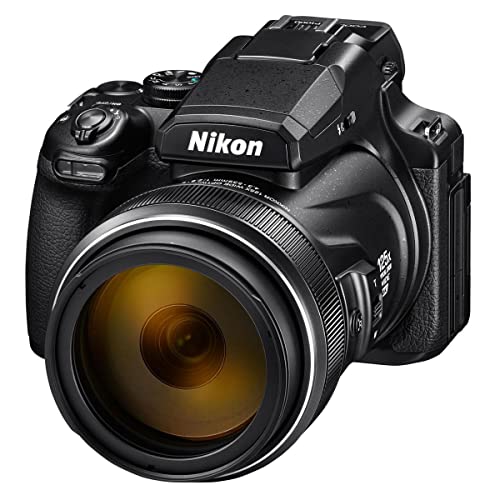
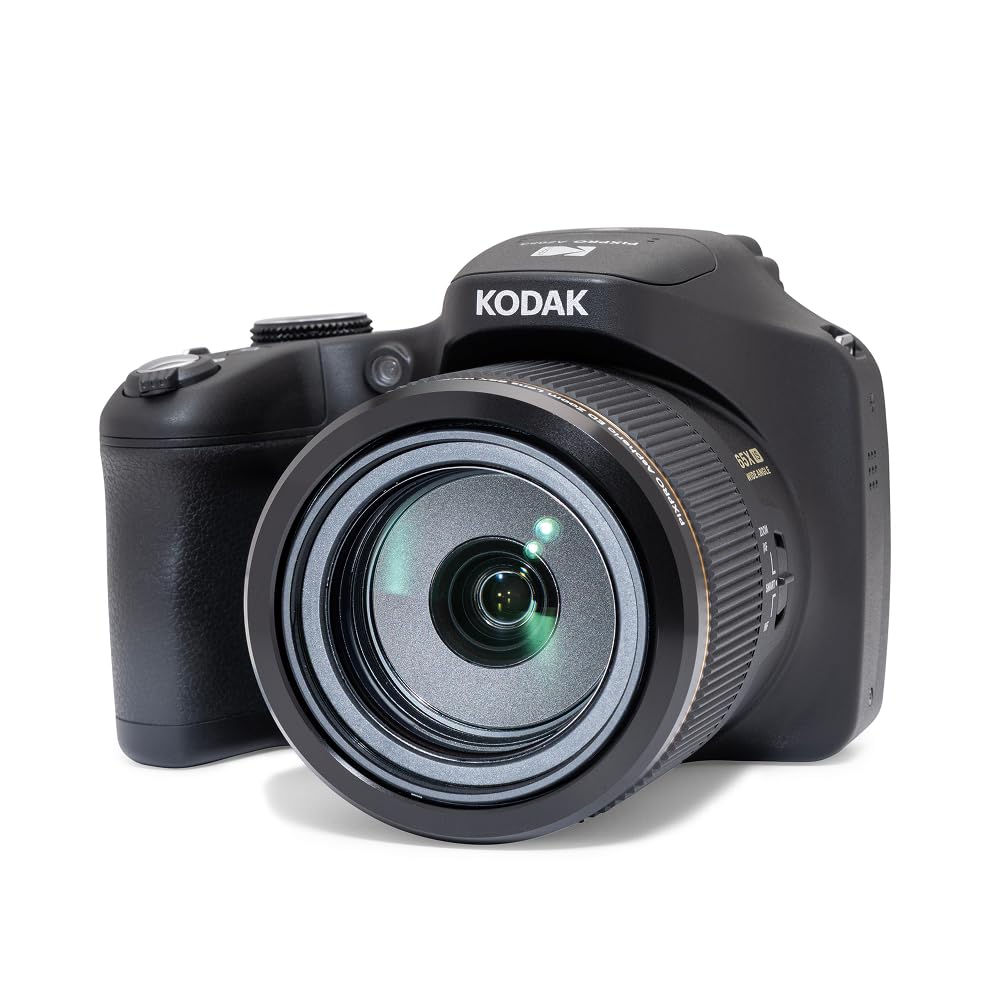
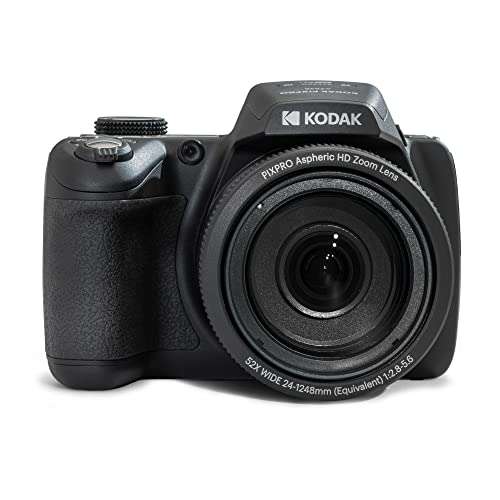
A bridge camera pairs a fixed zoom lens with a body shaped like a small mirrorless camera. The lens often reaches 600 mm or beyond in full frame terms, which covers most wildlife and sports needs in one package. The trade off is a smaller sensor, so detail drops in dim light. Choose this type for maximum reach with no lens changes, at about $400 to $900.
Mirrorless Cameras With Telephoto Lenses
A mirrorless camera uses interchangeable lenses, so reach comes from the telephoto lens you mount, often 100 to 400 mm or 150 to 600 mm. Larger sensors gather more light, which protects detail at dawn and under stadium lights. You also gain the strongest tracking autofocus. Choose this type when image quality matters most and you accept more weight and a cost of about $900 to $2,500.
Compact Superzoom Cameras
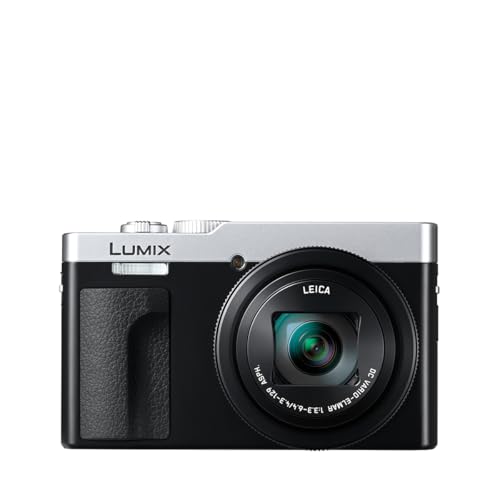
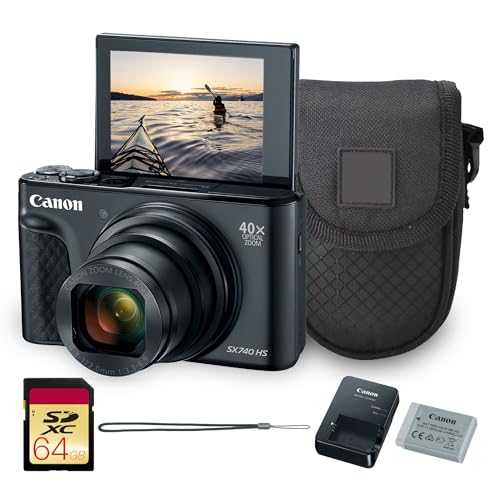
A compact superzoom fits a long zoom lens into a pocket size body you carry all day. Reach often runs from wide angle to about 720 mm in full frame terms, which is plenty for travel scenes and harbor views. The small sensor limits low light work. Choose this type when portability decides whether the camera comes along, at about $300 to $600.
Key Features to Compare
Compare these factors in order, because reach means little if focus misses or shake blurs the frame.
Optical Zoom and Focal Length Reach
Optical zoom moves real glass to magnify the subject, so detail stays sharp, while digital zoom only crops and enlarges pixels. Judge reach by the longest focal length, given in millimetres, rather than by the zoom ratio alone, because a 50x lens that starts very wide may end shorter than a 30x lens. For birds, look for at least 600 mm in full frame terms. For sports, about 300 to 500 mm often covers the field.
Sensor Size, Cropping Room and Distant Detail
Sensor size controls how much light the camera gathers and how much you can crop later. Compact and bridge models often use a 1 inch sensor, mirrorless models use APS C or full frame sensors, and each step up improves low light detail. Megapixels matter less than size, because small pixels collect less light each. If you print large, choose the larger sensor.
Image Stabilization for Handheld Reach
Image stabilization steadies the lens or sensor to counter hand movement, which grows more visible as focal length increases. At 600 mm, even a small tremor moves the whole frame, so strong stabilization lets you hand hold shots that would otherwise need a tripod. Look for ratings of about 4 to 6 stops. It helps still subjects most, because it cannot freeze motion.
Autofocus Speed and Subject Tracking
Autofocus for distant work must find a small subject against a busy background and stay with it while it moves. Eye detection for people and animals helps, because the eye is the point viewers check first for sharpness. A fast burst rate gives tracking more frames during a takeoff or sprint. For still subjects such as landmarks, basic autofocus is enough.
Lens Brightness, Weather Sealing and Video
The aperture at full zoom decides how much light reaches the sensor when you need it most, and many long lenses narrow to about f/5.6 to f/8 at the far end. A brighter lens keeps shutter speeds up and ISO down, so feathers and faces stay clean. Weather sealing, sometimes listed as weatherproof construction, guards against drizzle and dust, though it never makes a camera safe to submerge. For video, 4K recording and a microphone input matter most.
Bridge Superzoom or Mirrorless: Which Should You Choose?
Choose a bridge camera if you want one fixed package and the longest reach per dollar. Choose mirrorless if you shoot often in low light, print large, or plan to grow a lens kit. If your goal is watching a gate or driveway rather than taking photos, see our guide to the best security cameras for long distance instead, because those cameras stay mounted and record on their own.
Weight settles many ties. A bridge kit often weighs about 1 to 2 pounds, while a mirrorless body with a long lens can reach 4 to 6 pounds.
Common Mistakes to Avoid
- Judging a camera by its digital zoom number leaves you with cropped, soft images of distant subjects.
- Buying the longest lens without stabilization makes handheld shots at full zoom blur from small hand movements.
- Choosing a tiny sensor for dawn wildlife work fills shadows with noise and loses feather detail.
- Ignoring the aperture at full zoom forces slow shutter speeds that blur moving subjects.
- Carrying no spare battery ends a long outing early, because zoom motors and screens drain power fast.
Keeping a Long Zoom Camera Clean and Ready
Clean the front element with a lens cloth or a blower, never your shirt, because grit on fabric can scratch coatings. Wipe the body after dusty outings, and extend the zoom once to clean the barrel sections that hide when retracted.
Carry a spare battery and card, and store the camera in a dry, padded bag with the lens cap on. Keep the bag out of hot cars, because heat ages batteries and can fog internal elements over time.
Frequently Asked Questions
What features matter most in cameras for long distance shots for wildlife?
Reach, tracking and stabilization matter most for wildlife, in that order. A new point to weigh is buffer depth, which is how many frames the camera stores during a burst before it slows. Deep buffers matter when a bird takes off without warning, because the best wing position often comes late in the sequence.
What specs matter most for beginners buying a camera for long distance shots?
Beginners should prioritize simple auto modes, strong stabilization and a zoom range that starts wide enough for everyday scenes. A clear guide mode shortens the learning curve more than extra megapixels do. Start with a bridge or compact model, and upgrade only when a clear limit frustrates you.
Which camera type is better for long distance shots in low light?
A mirrorless camera with a large sensor is better in low light for distant subjects. Its larger pixels gather more light at the high ISO settings that dawn and evening work demands. A monopod helps at dusk, because support lets you drop the shutter speed for still subjects such as deer at a field edge.
How much should I spend on a first camera for long distance shots?
Spend about $350 to $700 on a first bridge or compact superzoom camera. That range buys real optical reach and stabilization without locking you into a lens system. Keep about 10 percent aside for a padded bag, a spare battery and a fast memory card, because slow cards can delay burst shooting.
Is a smartphone enough for long distance shots instead of a camera?
A smartphone is rarely enough for true long distance shots. Most phones reach distant subjects by cropping, so fine detail such as feathers or printed signs breaks down quickly. A phone still works as a scouting tool, because a quick test shot shows whether the subject fills enough of the frame.
What does a 50x optical zoom rating mean on a camera for long distance shots?
A 50x rating means the longest focal length is fifty times the widest one. The rating alone hides the real reach, because a lens that starts at 24 mm ends at 1,200 mm, while one that starts at 28 mm ends at 1,400 mm. Always compare the final number in millimetres.
Our Verdict
Match the type to your subject first. Bridge models give the simplest path to long reach, mirrorless models give the best quality and tracking, and compact models give reach you will actually carry. Use the product table above to compare reach, sensor size and weight.
When you judge best cameras for long distance shots by optical reach, stabilization and focus tracking together, the right type stands out fast. Pick the camera that fits your most common distance and light.

