
Best Cameras for Large Prints 2026: Every Type Explained Side by Side
Disclosure: We may earn a commission when you buy through links on this page, at no extra cost to you. As an Amazon Associate I earn from qualifying purchases. Learn more

Choose the best cameras for large prints by comparing sensor size, resolution, lens sharpness and autofocus, with print size guidance for every budget.
Shopping for a camera gets confusing when your goal is a big print on a wall rather than a photo on a screen. The best cameras for large prints are not simply the ones with the most megapixels, because sensor size, lens sharpness and clean files matter just as much. Use the comparison table below to see how the types differ.
Start from the print you want to hang. A 16 by 20 inch portrait asks less of a file than a 24 by 36 inch landscape viewed up close. Work backward from that size to the sensor and resolution you need, and see our guide to the best digital cameras if everyday models still tempt you.


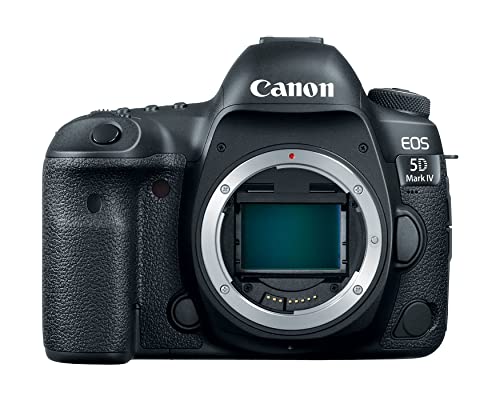


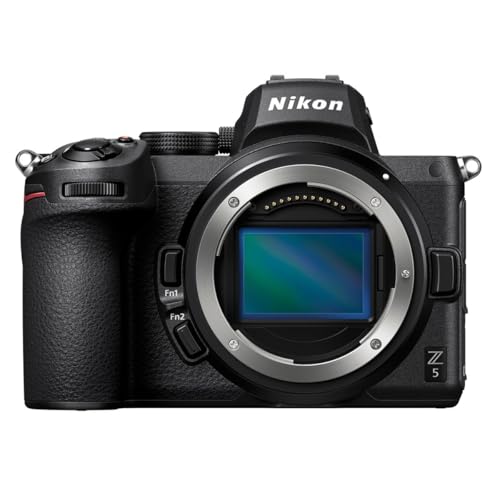
Who Should Buy a Camera for Large Prints?
Your subject and viewing distance shape the choice most. The best cameras for large prints look different for each group below, so find your group first.
Landscape Photographers Printing for Galleries
You print scenes with detail in grass, rock and distant trees, and viewers stand close to inspect them. Favor a full frame or medium format sensor, a sharp lens and a tripod friendly body. Resolution of about 33 to 61 megapixels gives cropping room when the viewpoint forces a wider framing than you wanted. Dynamic range matters too, because skies and shaded valleys must both hold detail.
Portrait and Wedding Photographers Printing for Clients
You sell portraits and album spreads, so skin tones, color accuracy and reliable focus matter more than burst speed. Look for accurate eye autofocus, color from RAW files and lenses with gentle background blur at wide apertures. A full frame or APS C mirrorless body suits most client work. Dual card slots protect paid work, when a moment cannot be repeated.
Travel and Video Creators Who Print Large
You carry your camera all day, shoot video as often as stills and print your best frames. A compact vlogging camera or light APS C mirrorless body keeps weight down, and 4K video helps with clips. Plan prints around 16 by 20 inches with a smaller sensor, or pick a stronger stills body for regular 24 by 36 inch work.
Key Features to Compare
Compare these factors in order, because any weakness shows up once a file is enlarged.
Sensor Size and Detail for Wall Sized Prints
Sensors gather light, and a larger sensor records cleaner detail and smoother tones, especially as light falls. One inch sensors suit casual prints, APS C sensors balance size and quality, and full frame sensors give the most room to crop and print big. Medium format sensors go larger and reward careful technique. Megapixels alone can mislead, since a crowded small sensor adds noise that enlargement makes obvious.
Resolution and Cropping Room
Resolution sets the pixels you can spread across each inch of paper. A file of about 6000 by 4000 pixels, 24 megapixels, prints at about 200 pixels per inch at 20 by 30 inches, which looks sharp from a normal viewing distance. Higher counts help when you crop or straighten an image. If print output is your top priority, see our guide to the best print cameras.
Lens Sharpness and Objective Lens Choice
The objective lens forms the image, so a soft lens wastes a strong sensor. Edge sharpness matters for landscapes, where corners hold trees and buildings that viewers notice. Prime lenses are often sharp and bright, while zoom lenses trade a little edge sharpness for framing freedom. Optical zoom on a compact camera is lens movement, unlike digital zoom, which only crops and discards pixels.
Focus and Steadiness That Enlargements Reveal
Focus errors that hide on a screen become obvious on paper, because enlargement magnifies a missed eye or a soft face. Eye detection autofocus helps portraits, and subject tracking helps wildlife and sports. Image stabilization steadies the camera at slow shutter speeds, which protects sharpness when light drops and a tripod is not practical. For moving subjects, raise the shutter speed instead, since stabilization cannot freeze motion.
Color Depth, Dynamic Range and RAW Files
Large prints show banding in skies and blocked shadows more clearly than small screens do. A camera that records RAW files keeps color and brightness data for editing, so gradients stay smooth and highlights can be recovered. Look for wide dynamic range if you shoot sunsets or dim interiors. Edit on a calibrated monitor, because print colors follow your screen, not your hopes.
Types of Cameras Compared
Four camera types cover almost every large print need, and instant cameras sit outside this guide because their prints are small by design. If that route appeals anyway, see our guide to the best instant print cameras. Clear menus and phone apps help newer photographers share files fast.
Mirrorless Cameras for Large Prints
Mirrorless cameras use interchangeable lenses and electronic viewfinders, and lead the market for print quality per pound. APS C bodies start at about $600 to $1,200, while high resolution full frame bodies cost about $2,000 to $3,500. They offer strong autofocus and a deep lens range. For buyers who want 24 by 36 inch prints, this is the type to beat.
Action Cameras and Their Print Limits
Action cameras are tiny, rugged and built for video in rain, surf and dust, with wide fixed lenses. Their small sensors limit honest print sizes, though a bright light frame can print at about 12 by 18 inches. Buy one for footage and durability. If prints matter more than crash proof mounting, choose a vlogging camera instead, because its larger sensor leaves more detail to enlarge.
Vlogging Cameras for Creators
Vlogging cameras favor video, with flip screens, microphone inputs, product showcase focus and face tracking. One inch and APS C models record stills that print well, especially portraits and food shots in good light. Prices run about $500 to $1,000 for most models. Choose one when video pays the bills and prints stay occasional, up to about 16 by 20 inches.
Medium Format Cameras for Huge Prints
Medium format cameras use sensors larger than full frame and record fine detail with smooth tonal steps. They suit studio, fashion and landscape work printed at 40 by 60 inches, and bodies cost about $3,500 to $6,500 before lenses. They focus more slowly and weigh more than mirrorless rivals. Film shooters chasing that scale can see our guide to the best large format cameras for the sheet film route.
Common Mistakes to Avoid
Each error below costs print quality that money cannot restore later.
- Judging cameras by megapixels alone leads to noisy files that fall apart when enlarged.
- Cropping half the frame away leaves too few pixels for the print size you planned.
- Shooting only JPEG files limits editing choices, so skies band and shadows turn muddy in print.
- Using digital zoom instead of moving closer throws away pixels and softens fine detail.
- Skipping a test print hides focus and color problems until the full size print arrives.
- Holding a camera at slow shutter speeds blurs detail that no sharpening tool can restore.
Care Habits That Keep Big Prints Free of Spots
Dust on a sensor appears as spots in skies, and a large print shows every spot. Keep caps on, and change lenses away from wind and dust. Clean the element with a lens cloth, never your shirt, because grit in fabric can scratch coatings. Use a blower for loose dust, and leave deep cleaning to a service shop if spots persist.
Store the camera in a dry padded bag, with the battery at about half charge if it will sit for weeks. Carry a spare battery on shoots, because a dead camera at sunset means no file to print. Copy files to two places on the same day, and keep memory cards in a closed case. Check straps and tripod plates for wear each season.
FAQ
What features matter most in a camera for large prints?
Sensor size, lens sharpness and resolution matter most in a camera for large prints. One point buyers miss is viewing distance for the room. A print over a sofa is read from several feet away, so it needs less pixel density than a hallway print people lean toward. Set your budget around the closest viewing distance.
How many megapixels does a 24 by 36 inch print need?
A camera needs about 19 megapixels for 150 pixels per inch at that size, and about 35 megapixels for 200 pixels per inch. The higher figure suits prints viewed at arm length, while the lower one works across a room. Upresizing software can smooth edges, but it cannot invent detail in hair, feathers or leaves, so start with enough pixels.
Is a smartphone enough instead of a camera for large prints?
A smartphone is enough for bright daylight scenes printed at about 12 by 18 inches, and its sharpening can look impressive. Its small sensor struggles as light falls, and processing can smear grass and hair into patterns that enlargement exposes. If you print large more than twice a year, a dedicated camera earns its cost in cleaner files and lens choices.
Which camera type is best for low light large prints?
A full frame mirrorless camera is best for low light large prints, because its sensor keeps noise low at sensitivity settings. Pair it with a bright prime lens to hold shutter speeds that guard against camera shake without a tripod. Choose matte paper for dim scenes, because glossy paper reflects light in a way that draws attention to grain.
How much should you spend on a first camera for large prints?
Plan on about $800 to $1,500 for a first kit with an APS C mirrorless body and a standard zoom lens. That budget prints well to 20 by 30 inches in good light. Renting a lens for one important trip can teach you more than buying a second lens at once, and a used tripod stretches the budget safely.
Our Verdict
Match the camera to your print size first, then to your subject and your bag. Sensor size and lens sharpness decide how far a file can stretch, and autofocus decides how often the frame is sharp enough to enlarge. Use the product table above to compare types against the sizes you plan.
When those points line up, the best cameras for large prints stop being a spec contest and become the camera you carry, trust and print from with confidence.

