
Best Cameras for Interviews: What Actually Matters Before You Buy in 2026
Disclosure: We may earn a commission when you buy through links on this page, at no extra cost to you. As an Amazon Associate I earn from qualifying purchases. Learn more

The best cameras for interviews are judged on clean audio, long record times and steady focus. Compare types, price bands and a buyer checklist here.
An interview lives or dies on its sound. Viewers forgive a soft image long before they forgive echo, hiss, or a voice that fades every time the guest turns her head. That is why the best cameras for interviews are not simply the bodies with the most megapixels; they are the ones that record clean audio, run for a full conversation without stopping, and hold focus on a seated face.
This guide ranks the buying factors in the order they matter on a real shoot: audio first, then record limits, focus, sensor, and handling. Use the comparison table below to see how the camera classes compare, then work through the checklist and the price bands before you spend anything.
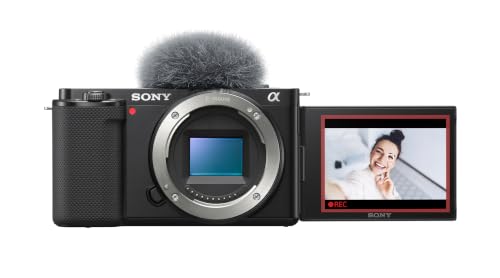




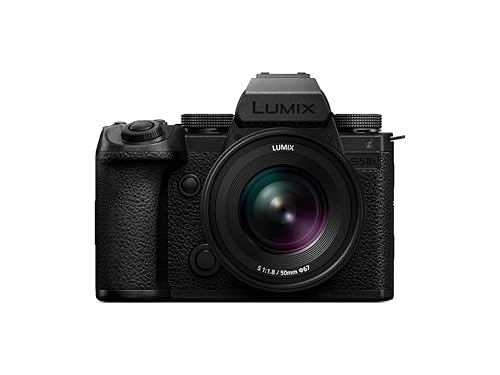
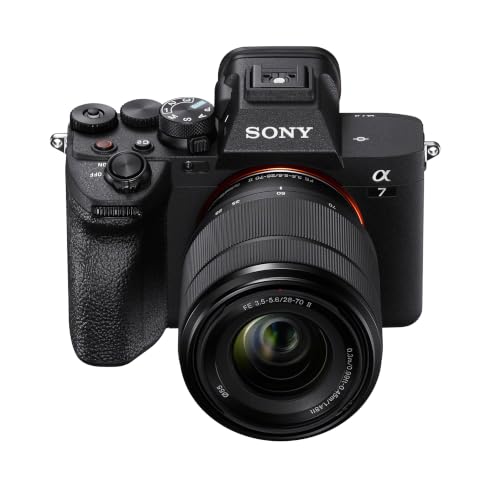
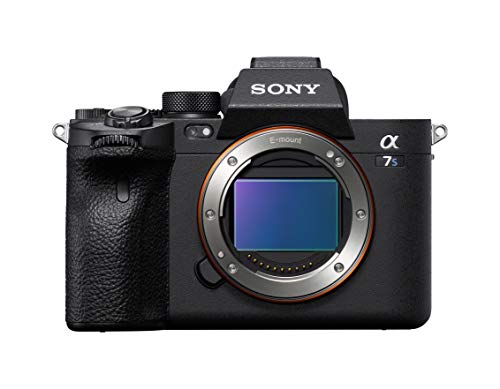
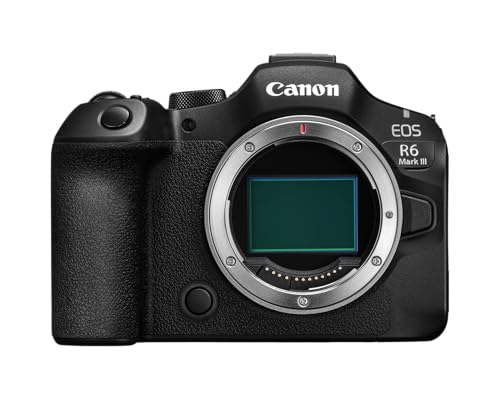

What Actually Matters When You Film Interviews
Sound Comes Before Picture
Judge every camera by its audio path before you look at a single video sample, because an interview is an audio purchase first and viewers judge the voice, not the backdrop. A microphone input lets you place a lavalier or a shotgun microphone close to the speaker, and a headphone output lets you hear problems while there is still time to fix them. Cameras without both ports push you toward a separate recorder and a sync step in editing. The microphone and monitoring setup decides the result more than the sensor does, which is why smart buyers spend on sound before they spend on resolution.
Record Limits and Heat
Many stills first cameras stop a clip at a set limit or slow down as they warm up, and a thoughtful answer does not pause for your equipment. Read the record limit in the spec sheet, and treat heat warnings in owner reports as a real constraint for rooms without air conditioning. A camera that records until the card fills or the battery ends suits interview work better than a sharper body that quits mid sentence. Plan power as well: a dummy battery or USB power keeps a two hour session from depending on one small internal cell.
Focus That Holds a Seated Subject
Your subject sits mostly still, leans forward to make a point, and looks down when thinking, so autofocus has to follow those small movements without hunting or jumping to the background. Eye detection helps with that job, but treat maker claims about focus speed and accuracy as claims to check against reader reports, not as settled facts. A lens with a moderate aperture keeps the face and the hands in acceptable focus at the same time. That matters when a guest talks with gestures and leans in and out of the sharp zone.
Sensor Size and Low Light Skill
Interviews are often filmed in offices, living rooms, and conference rooms where you cannot control the light. A larger sensor gathers more light and keeps skin tones cleaner at higher sensitivity settings. Full frame bodies lead here, APS C bodies sit close behind, and 1 inch compacts need more light or accept more noise. The broader guide to best digital cameras compares sensor classes across every kind of use. Megapixels matter least of all: 4K recording from a modest sensor count is plenty for an interview frame.
Video Features That Support Long Conversations
Beyond the sensor, look at the features that carry a long session. A flip screen lets a solo interviewer frame and check herself, a tally light confirms recording at a glance, and clean 4K output gives you room to reframe in editing. Image stabilization matters less here than in travel work, because the camera sits on a tripod. Buyers who record interviews as their main format should also read the guide to best video cameras for interviews, which treats video first bodies in more depth.
Handling, Ports, and Setup Speed
You may be the whole crew, so setup speed counts as much as specs. Simple menus reduce mistakes under time pressure, and a body that pairs quickly with your phone makes remote starts easy when you sit on both sides of the lens. Weather sealing matters only if you film outdoors; most interview work happens indoors, so spend on audio before sealing. If the same body must also shoot stills for thumbnails and articles, our guide to best cameras for photography covers bodies picked mainly for stills work.
Price Bands: What Each Tier Actually Buys
About $300 to $600: Capable Compacts and Older Bodies
At this level you find fixed lens compacts and older interchangeable lens bodies. A microphone input appears on some models only, so check the port list before you buy, and do not assume a headphone output exists at this price. This band suits a single interviewer filming in one quiet room with controlled light. If this is your first kit of any kind, the guide to best starter cameras explains the starter class and its trade offs in more depth.
About $600 to $1,200: The Working Middle
This band buys the ports that matter: microphone input, headphone output, and 4K recording in most bodies. Eye tracking focus becomes reliable here, and dual slots start to appear at the top of the band. Most two person interview setups for podcasts, courses, and small studios live in this range. Pair the body with a decent lavalier microphone and a basic light, and the picture and sound will both hold up.
About $1,200 to $2,500: Full Frame Comfort for Long Sessions
The upper band buys full frame sensors, better cooling, and longer record times without workarounds. Dual card slots record a backup copy as you go, which protects a session you cannot repeat. Low light performance is the other real gain: faces stay clean in dim rooms where smaller sensors smear detail. Buyers at this level usually record interviews weekly and bill for the work, so reliability is the feature being purchased.
Quick Buyer Checklist
- Does the camera have both a microphone input and a headphone output?
- Can it record for a full hour without a clip limit or a heat shutdown?
- Does its focus track eyes on a seated, mostly still subject?
- Can you power it from the wall or a large battery for long sessions?
- Does the screen flip around for solo filming and framing checks?
- Is there a second card slot, or a backup habit you will actually follow?
- Does the whole kit fit the room and the bag you really use?
Red Flags to Watch For
- No microphone input on a camera marketed for video work, which locks you into weak built in sound.
- A record limit buried in the manual rather than the spec sheet, which you will discover mid interview.
- Heat warnings in owner reports from warm rooms, a sign the body cannot finish long sessions.
- Digital zoom sold as if it were optical zoom, which quietly throws away resolution.
- A kit lens that turns slow at the long end, which starves indoor interviews of light.
Tips to Get the Most From Your Interview Camera
- Use a lens cloth, not your shirt, so coatings stay clear over years of shoots.
- Carry a spare battery and a second card, even when the camera is plugged into the wall.
- Record a sample minute and listen on headphones before the guest sits down.
- Capture a short stretch of room tone at each location to help your editing later.
- Store the kit in a dry, padded bag so ports and dials stay clean between sessions.
Cameras for Interviews: Your Questions Answered
What features matter most in cameras for interviews?
A microphone input and a headphone output matter most, ahead of resolution and ahead of sensor size. After audio, look at record time without limits, then focus that tracks a seated face. One point buyers miss: the room itself is part of the kit, and soft furnishings, curtains, and a rug quiet the echo that no camera setting can remove later. Treat the room before you upgrade the body.
Which sensor size is better for low light interviews?
A full frame sensor is better in low light, with APS C close behind and 1 inch sensors a clear step down. The sensor gathers more light per pixel, so faces stay clean at the sensitivity settings dim rooms demand. Distance matters too: moving a lamp or the subject closer to a window often gains more than a sensor upgrade. If you can add one small light, even an APS C body will look polished.
Is a smartphone enough for filming an interview?
A current smartphone is enough for short, casual interviews in good light, and its video quality surprises most viewers. The limits show up in audio, in record interruptions, and in focus control. A call or a notification can break a take, so put the phone in airplane mode before you start. For paid or repeat work, a dedicated camera with a microphone input is the safer tool.
Do I need 4K recording for interviews?
You do not need 4K for interviews, because most viewers watch at lower resolutions and a seated subject moves little. The real value of 4K is in editing: you can crop a wide shot into a closer one and still deliver a sharp 1080p file. That trick covers a one camera shoot that needs to look like two angles. If 4K costs you record time or creates heat problems, 1080p is the better trade.
How much should I spend on my first interview camera?
Most first time buyers do well between about $600 and $1,200 for the body, which buys the audio ports and reliable focus this work needs. Hold back part of the budget for sound: a lavalier microphone at around $50 to $100 improves an interview more than the next camera tier does. Spend on the body only after the microphone, a tripod, and one light are covered. That order keeps the first kit balanced instead of impressive on paper and weak in the room.
The Bottom Line
Sort your shortlist by sound, record time, and focus, in that order, and the right choice gets easy to see. Compare your finalists in the product table above, and remember that the best cameras for interviews are the ones that let a conversation run long, sound clean, and stay sharp on a real face in a real room. Put the money you save on resolution into the microphone, and your interviews will sound like the step up viewers actually notice.
