
Best Cameras for Hunters by Budget: A Field Guide for 2026
Disclosure: We may earn a commission when you buy through links on this page, at no extra cost to you. As an Amazon Associate I earn from qualifying purchases. Learn more
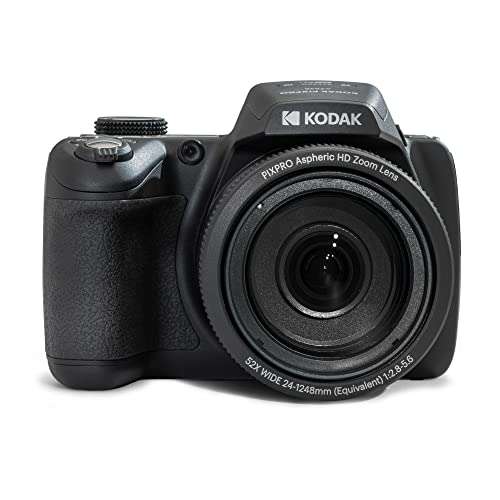
Compare cameras for hunters by budget, with clear guidance on zoom reach, low light focus, weather sealing, battery life and field costs on trips.
Hunting light is rarely kind. Most chances to photograph game come at dawn or dusk, at distance, and often in cold or damp air. The best cameras for hunters earn their place in your pack by focusing fast in dim woods, reaching across a field without scaring game, and working quietly while you wait. Use the comparison table below to match those needs to your budget.
Price spreads widely in this category, and spending more does not help every hunter. A compact camera with modest zoom may suit a bow hunter in thick cover, while open country work calls for long reach and a larger sensor.





Who Should Buy Which Camera for Hunting?
Start with the ground you hunt and the distance you expect. Your cover and walking distance will narrow the field fast.
Bow Hunters and Hunters in Thick Cover
You work at short range, often from a stand or blind, and movement matters more than reach. Choose a compact and light camera with a quiet shutter, a modest zoom, and controls you can work with gloves on. A tilting screen helps you frame a shot while seated.
Rifle Hunters Who Photograph Game at Distance
You glass open fields, clear cuts, and ridge lines where game may appear far beyond bow range. Choose long optical zoom or a long telephoto lens, strong stabilization, and autofocus that holds a moving animal. Accept a larger body if the extra range lets you stay still and covered.
Hunters Who Record Hunts for Review and Sharing
You want video you can study later, whether to review a shot, relive a morning, or share a hunt with family. Choose 4K video and stabilization that smooths handheld footage from a stand. Check your local hunting rules before recording, because some areas limit electronic devices during a hunt.
Key Features to Compare
Judge each camera on the factors below, in this order, because they decide whether you get a usable photo in real hunting light.
Optical Zoom and Telephoto Reach in the Field
Optical zoom uses the lens itself to bring distant game closer, so detail holds up when you enlarge the photo later. A short zoom of about 3 to 10 times suits camp scenes and close cover, while long zoom models reach 30 times or more for open ground. Hunters who swap lenses should look at focal length instead, with about 300 to 600 mm covering most distant work.
Sensor Size and Image Quality in Low Light
Sensor size shapes how clean your photos look when light fades. A larger sensor gathers more light, so dawn and dusk shots hold detail with less grain and shutter speeds can stay fast enough for a moving animal. Small sensors in budget models work well in bright midday light but struggle in deep shade. Megapixel counts matter less than sensor size.
Autofocus Speed on Moving Game
Game rarely poses. Autofocus must find an animal quickly, then keep tracking as it feeds, walks, or turns its head against a busy background of brush and trees. Look for animal detection where offered and a burst mode that fires several frames in a second. Learn the focus mode before the season, because a camera that hunts for focus in dim light will miss the one moment that counts.
Image Stabilization and Quiet Operation While You Wait
Stabilization steadies the lens or sensor to counter small movements in your hands, which helps most at long zoom and in low light where shutter speeds drop. It lets you work without a tripod in a blind or stand. Quiet operation matters just as much, so look for a silent shutter mode and soft control sounds.
Weather Sealing, Build, and Battery Life Outdoors
A hunting camera should tolerate drizzle, dust, and cold mornings without fuss. Weather sealing around doors and dials and a solid grip all protect a day in the field. Battery ratings of about 300 to 400 shots per charge are common, and cold drains cells faster, so carry a charged spare in an inside pocket. For a wider view of build standards, see our guide to the best quality cameras.
What Each Price Step Adds in the Field
The clearest way to sort best cameras for hunters is by what each tier adds in the field, not by headline specs. Each step up should buy you light, reach, or speed that you will actually use.
Budget Tier: Simple Reach for Scouting and Camp
Budget cameras cost about $200 to $450 and usually pair a small sensor with a useful built in zoom. They suit scouting trips, camp photos, and documenting sign, tracks, and habitat for later study. Expect slower focus in dim light and grainier photos at dawn. This tier suits photos in decent light at modest range.
Midrange Tier: Stronger Low Light and Faster Focus
Midrange cameras cost about $450 to $1,200 and bring larger sensors, faster autofocus, and better stabilization. This is where animal detection, silent shooting, and solid weather sealing become common. For most hunters this tier gives the best balance, with clean dawn photos and reach for typical field distances. For other subjects, see our guide to the best cameras for photography.
Premium Tier: Large Sensors and Long Glass for Distance
Premium setups cost about $1,200 to $3,500 or more once a long lens is included, and they pair full frame or advanced crop sensors with fast telephoto glass. You gain clean images in very low light, tracking that holds fast or distant game, and rugged sealing for rough weather. Choose this tier only if you photograph game often at long range.
Extra Gear Costs to Plan for on Hunts
The body is only part of the bill. Budget for a spare battery, fast memory cards, a padded case that fits your pack, and a harness that keeps the camera secure while you climb or cross rough ground. Case and battery costs usually add about $100 to $300. For a broad starting point on general models, see our guide to the best digital cameras.
Common Mistakes to Avoid
These errors cost hunters photos every season, and most are easy to prevent.
- Choosing digital zoom over optical zoom leaves you with soft and grainy photos of distant game.
- Ignoring sensor size means your dawn and dusk photos come home too dark or too grainy to use.
- Buying long reach without stabilization makes handheld shots blur, even in fair light.
- Leaving the shutter sound and screen glow on full can alert game at close range.
- Carrying one battery on a cold morning risks a dead camera before the best light arrives.
- Skipping a practice session at home means you fumble with settings while game stands in view.
Care and Maintenance for a Hunting Camera
Wipe mud and moisture from the body with a soft dry cloth when you return, then let the camera air at room temperature before you store it. Keep the lens cap on in transit and clean the front glass only with a lens cloth. Store the camera in a dry case with the battery partly charged if it will sit for weeks.
Check seals and battery doors for grit before each trip, and clear debris with a soft brush so the doors close fully. Format memory cards in the camera after saving your photos, and inspect the strap each season.
FAQ
What features matter most in a camera for hunters in the field?
Fast autofocus, useful optical zoom, and clean low light results matter most in a camera for hunters. One point hunters often miss is screen brightness, since a bright rear screen can light your face in a dark blind. Turn the screen down and set the camera to sleep quickly so it stays dark while you wait.
Which camera sensor size is better for hunters in low light at dawn and dusk?
A larger sensor is better for hunters in low light, and lens brightness plays a part the body alone cannot fix. A lens marked with a low f number, such as f2.8, lets in more light than one at f5.6 at the same zoom. A brighter lens on a midsize sensor often serves dawn hunts better than a dim lens on a larger sensor.
How much optical zoom does a hunter need in a camera for wildlife at distance?
Most hunters need enough reach to fill the frame from about 50 to 150 yards, which long zoom models and 300 mm or longer lenses handle well. Digital zoom only crops and enlarges the image, so it adds size without adding detail. At home, photograph a fence post at your typical range and check that its texture reads clearly.
How much should a hunter spend on a first camera for hunting trips?
A hunter buying a first camera should plan on about $300 to $700 for the camera, then set aside roughly a fifth of that amount for a case, a spare battery, and cards. For simpler options while you learn, see our guide to the best starter cameras.
Can a hunting camera be used in rain and cold weather?
Yes, a weather sealed hunting camera can be used in rain and cold, but how you handle temperature changes matters as much as the seals. When you bring a cold camera into a warm cabin, seal it in a bag first so condensation forms on the bag rather than on the lens. Let it warm slowly before you open the bag.
Wrapping Up
Match reach to your ground, sensor size to your light, and weight to the distance you walk. Those three choices will guide you better than any single spec. Compare your short list in the product table above before you decide.
Chosen with those points in mind, the best cameras for hunters become a quiet and reliable part of your kit, ready for the brief minutes when light and game finally meet.


