
Best Cameras for Home Photography of 2026: Complete Buying Guide
Disclosure: We may earn a commission when you buy through links on this page, at no extra cost to you. As an Amazon Associate I earn from qualifying purchases. Learn more

Compare the best cameras for home photography by sensor size, lens speed, autofocus and price, with clear advice for family pictures and everyday indoor shots.
Most home pictures fail for two ordinary reasons: the room is dimmer than it looks, and the subject will not sit still. Choosing the best cameras for home photography means matching a camera to lamplight, small rooms and fast moving kids and pets, not to studio conditions. This guide walks through the choices that matter indoors, and the comparison table below lays the main classes side by side.
You do not need the largest sensor or the longest zoom to get warm, sharp pictures at home. You need a lens that gathers light, autofocus that finds eyes on its own, and controls you can learn in stages. The sections below cover each factor in plain terms, then sort cameras into budget bands.




Three Ways to Spend: Camera Setups by Budget
Rather than naming products, this guide sorts cameras into three setup classes, each stating who it suits, what it does well and where it gives ground.
Simple Fixed Lens Setup
A fixed lens compact, at about $300 to $600, suits families who want better pictures than a phone gives. The lens is built in, the body slips into a pocket, and better examples carry a bright lens for evening rooms. The limit is growth: the lens you buy is the lens you keep.
Interchangeable Lens Starter Setup
A starter mirrorless body with a kit zoom, at about $600 to $1,100, suits readers who want to learn. You gain a larger sensor, manual controls and the option to add a fast prime lens later for portraits. This class asks more of you: a bag, a spare battery and some patience with menus. For most homes it has the longest useful life.
Advanced Large Sensor Setup
A full frame body with one or two fast lenses, at about $1,200 to $2,500, suits enthusiasts who shoot in dim rooms every week. The large sensor holds clean detail at high sensitivity settings, and the lens range covers wide room shots and tight portraits. The trade is size, weight and cost, and the extra quality shows only when you print large or crop hard.
How to Choose: A Buying Guide for Home Use
Rooms set the geometry of this purchase. A small living room gives you about 8 to 12 feet of working distance, so focal length decides what fits in the frame first. Compact rooms call for zooms that start wide, around 24 mm in full frame terms, while larger open plan spaces let a 35 mm or 50 mm prime lens breathe.
Features That Matter for Home Photography
Home subjects live under indoor light classes: ceiling lamps, window light and mixed bulbs that sit well below daylight. Stated plainly, the sensor class and the lens class decide what your family and room pictures look like, because a larger sensor gathers more light per pixel and a faster lens lets more of that light in. Look first at the widest aperture, written as a low f number, and treat zoom figures as secondary.
Sensor Size and Image Quality
Sensor classes step up from 1 inch in better compacts, through APS C in starter mirrorless bodies, to full frame at the top. Each step gathers more light, which shows as cleaner files in a dim room. Megapixel counts matter less, because a modest count on a large sensor beats a huge count on a tiny one after dark. Judge samples at the settings you will really use.
Ease of Use for Your Skill Level
Good home cameras work fully automatic on day one, then reveal manual controls as you ask for them. That staging matters because home shooting is a starter class for most readers: the control classes teach the craft, and a camera that hides them slows you down. Readers who want a slower, lesson based path can also read our guide to best beginning photography cameras, which sorts starter bodies by control layout.
Durability and Build for Indoor Life
Indoor risks are dust, sticky fingers and the occasional drop onto a hard floor, not rain. Solid dials, a grippy body and a screen that folds flat all help a camera survive family life. Weather sealing helps near steamy kitchens, but at home it ranks below lens speed and autofocus. Keep a cap on whenever a lens comes off.
Battery Life and Charging
Home shooting comes in short bursts, so a camera that sips power between moments beats one with a huge one session rating. Look for about 300 or more shots per charge and charging over USB, which lets a phone power bank rescue a flat battery. A spare battery stays the cheapest insurance for birthdays and holidays.
Size, Weight, and Handling at Home
The camera that sits out on a shelf gets used, and the one buried in a closet does not. Compact bodies invite daily pictures of meals, pets and homework, while large bodies earn their space through controls and low light reach. Picture one handed shooting while you hold a child or a mug: a shaped grip matters more than thinness.
Autofocus and Stabilization
People and pets move, so autofocus that locks onto eyes is the single feature that saves the most home pictures. Face and eye detection now reaches down into starter bodies, and animal detection helps with dogs and cats. Stabilization in the body or the lens steadies slow shutter speeds under lamplight, which keeps sensitivity lower and files cleaner.
Types of Cameras for the Home
Three classes cover nearly every home buyer, differing less in specs than in fit for your rooms.
Mirrorless Cameras
Mirrorless bodies pair interchangeable lenses with electronic finders that preview exposure before you shoot, which teaches beginners fast. They span starter to full frame classes, focus quickly and stay compact. This is the default class for readers who expect their skills and their lens shelf to grow.
Compact and Fixed Lens Cameras
Fixed lens compacts trade flexibility for simplicity and pocket size. The better ones use a 1 inch sensor and a bright zoom, which covers most family scenes without a bag of gear. They suit readers who will never swap lenses and value a camera that is simply there.
Vlogging and Video First Cameras
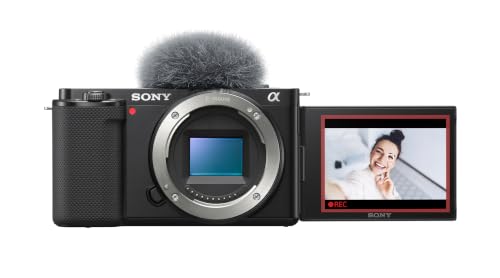
Video first bodies add flip screens, good microphones and steady handheld footage for families who film as much as they photograph. Their stills quality matches their price class, so the choice turns on how often you will film. If video is a side interest only, a stills first body spends the money better.
Not the Same Purchase: Cameras That Watch a Home
One nearby purchase is often confused with this one: best home cameras for security belong to a watching class that records a home around the clock, while a photography camera makes considered pictures of the people in it. Coverage planned as a network, the subject of best home surveillance cameras, is likewise a watching class that reports events, not a picture making class you aim and focus. The broad shelf label in best home cameras covers that watching class too, so check whether a listing records video by itself or makes still photographs. A multi room watching plan, sold as a best home cameras system, links several watching cameras together, a different class from one photography camera and a lens or two.
Tips to Get the Most From Your Camera
- Wipe the lens with a clean microfiber cloth, since a shirt grinds dust across the coating and softens every frame.
- Carry a charged spare battery, because home events cluster on the same few evenings and a flat battery ends the record.
- Store the camera in a dry, padded bag away from bathroom steam, which fogs lenses and creeps into dials.
- Update the firmware when the maker offers it, since autofocus and eye detection often improve after release.
- Shoot gatherings from the window side of the room, so faces turn toward the light instead of away from it.
Questions Answered About Home Photography
What features matter most in cameras for home photography?
Lens speed matters most, because a bright aperture gathers the weak light that rooms provide. After that, eye detection autofocus saves more pictures than any other feature, since home subjects rarely pose. A short shutter delay also counts: some compacts pause noticeably between the press and the picture, and toddlers do not wait. Rank these three ahead of zoom reach and megapixel counts indoors.
What specs matter most for beginners?
Beginners should read the control layout before the spec sheet, because buttons and dials you can find without looking decide whether you keep shooting. A tilting screen helps with low angles of children and pets, and a guided auto mode teaches as it goes. Sensor class comes next, with APS C the comfortable starting point. Ignore burst rates and video figures until the basics feel easy.
Is a smartphone enough instead of a dedicated camera for home photos?
A smartphone is enough for sharing sized pictures in decent light, and it is always in your pocket. A dedicated camera pulls ahead when you print larger than about 8 by 10 inches, shoot in lamplight, or want backgrounds to fall softly out of focus. Many homes keep both: the phone for the everyday, the camera for the occasions that deserve a frame.
Which camera type is better for low light at home?
An interchangeable lens body with a fast prime lens is better for low light than any fixed zoom at the same price. The prime gathers several times more light, which keeps sensitivity down and faces clean. When even that struggles, bounce a small flash off a white ceiling rather than firing it straight at faces, since bounced light spreads softly like window light.
How much should I spend on my first home photography camera?
Spend about $400 to $800 for a first camera you plan to keep, which covers a good compact or a starter body with its kit zoom. Hold back about a fifth of the budget for a spare battery, a fast memory card and a padded bag. Money left later buys a fast prime lens, which changes home pictures more than a body upgrade.
Final Thoughts
Home photography rewards light gathering, quick eye focus and controls you can grow into, in that order. Match the class to your rooms and patience, and let the product table above confirm how the options compare on sensor, lens and price. Chosen that way, the best cameras for home photography are simply the ones that will be within reach, charged and understood when the moment happens.


