
Best Cameras for Hobbyists: Buying Guide for 2026
Disclosure: We may earn a commission when you buy through links on this page, at no extra cost to you. As an Amazon Associate I earn from qualifying purchases. Learn more

Compare the best cameras for hobbyists by sensor size, autofocus, video and lenses, with a clear checklist to match a camera to your subjects and budget.
A phone handles quick snaps well, yet it gives you little control over focus, depth or dim light shots, and many hobbyists outgrow it within a year. The best cameras for hobbyists offer manual controls and real lens choices without the weight or cost of pro gear. This guide matches sensor, lens and handling to your subjects, so you spend on growth, not unused features.
Start with what you shoot most, then check how each type handles that work in the comparison table below. For a wider view of formats, see our guide to the best digital cameras. Keep your budget balanced across the body, one versatile lens and a card, because that kit teaches you more than a costly body alone.




Who Should Buy Which Camera as a Hobbyist
Weekend Photographers Growing Beyond a Phone
You shoot landscapes, family gatherings and local events, and you want cleaner files in shade and at dusk than a phone can give. Look for manual exposure dials, raw file support and a sensor larger than the small chips in most compacts. A kit zoom covering wide scenes and short portraits lets you learn composition first.
Travel and Family Hobbyists Who Pack Light
You carry your camera all day on trips, school events and walks, so weight and quick handling matter as much as image quality. A compact mirrorless body or a capable point and shoot keeps your bag light and your camera ready. Fast startup and reliable autofocus suit this group, and stills focused readers can see our guide to the best cameras for photography.
Video Hobbyists Who Record as Much as They Shoot
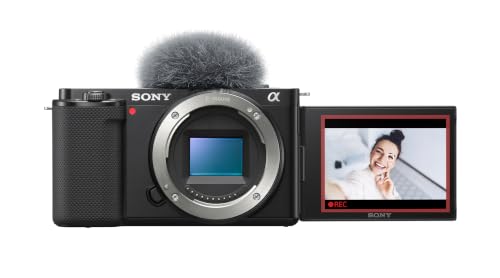
You film family clips, hobby tutorials or short travel pieces, and you need clean sound and steady footage alongside decent stills. Prioritize 4K video, a microphone input and a screen that flips toward you. In body stabilization calms handheld clips, and face tracking keeps people sharp while they move. Choose a lens with quiet focusing, since audible hunting can spoil good footage.
Key Features to Compare
The sections below explain the best cameras for hobbyists through the factors that change daily use most, from sensor size to sealing.
Sensor Size and the Detail You Can Expect
Sensor size sets the ceiling for detail, depth control and clean high ISO files. A 1 inch sensor suits travel compacts, APS C sensors balance size and quality for most hobby kits, and full frame sensors gather more light at higher cost and weight. Megapixels matter less than listings suggest, since about 20 to 26 megapixels already print large. For more context, see our guide to the best quality cameras.
Autofocus Speed and Subject Tracking
Autofocus decides how many moving subjects you keep sharp, from kids and pets to cyclists and birds. Look for eye detection for people and animals, a wide spread of focus points and tracking that holds a subject across the frame. Touch focus on the rear screen helps when you compose low or overhead. A well placed focus button also makes tracking easier during fast action.
Lenses and Zoom: Where the Real Difference Lies
Lenses shape your pictures more than the body does, so check the range available for any system before you buy. A standard kit zoom covers groups, travel scenes and everyday portraits, while a fast prime improves low light results and background blur. Optical zoom describes real focal length change, unlike digital zoom, which only crops and softens detail. Favor a mount with affordable primes and secondhand options.
Video Features for Hobbyist Projects
Most hobby cameras now record 4K video, but the details decide how usable that footage is. A microphone input improves voice clarity far more than any internal mic. Screens that tilt or flip fully support vlogging and low angle work, while log profiles give editors more room to grade color later. Check recording limits too, since some cameras crop the frame in their sharpest video modes.
Low Light Handling and Stabilization
Clean results after dark depend on sensor size, lens aperture and stabilization working together. A lens opening of f/1.8 or f/2.8 gathers far more light than a slow kit zoom at f/5.6, so you can keep ISO lower and retain detail. Stabilization steadies handheld shots at slower speeds for still subjects in dim rooms. Moving subjects still need faster speeds, because stabilization cannot freeze motion.
Handling, Controls and Weather Sealing
A camera you enjoy holding gets used more, so grip depth, dial placement and menu clarity deserve real attention. Direct dials for shutter speed and aperture speed up learning, while a clear viewfinder helps in bright sun. Weather sealing with matched sealed lenses guards against light rain and dust, though it never makes a camera safe for submersion. Plan on a spare battery for full days away from outlets.
Types of Cameras for Hobbyists Compared
Mirrorless Cameras for Growing Kits
Mirrorless models pair interchangeable lenses with electronic viewfinders that preview exposure before you shoot. They lead in autofocus and video tools, in bodies smaller than most DSLR kits. Most hobbyists should start here, and for first kit advice, see our guide to the best starter cameras. Price your second lens before choosing a mount.
DSLR Cameras for Viewfinder Fans
DSLR cameras use a mirror and an optical viewfinder that shows the scene directly, with no screen lag and modest battery drain. They suit hobbyists who value long shooting days and a deep pool of used lenses. The tradeoffs are larger bodies, fewer video features and slower live view focusing. Owning compatible family lenses can make this route economical.
Point and Shoot Compacts for Simple Carry
Compacts put a fixed zoom lens and automatic help into a pocket sized body, suiting travel and daily carry where a kit bag feels like too much. Better models use a 1 inch sensor and raw files, giving real gains over a phone. You give up lens changes and some depth control, so treat a compact as a tool for convenience over system growth.
Vlogging Cameras for Hobbyist Creators
Cameras built for vlogging favor wide lenses, strong face and eye tracking, and screens that face forward so you can check framing while you talk. Many add modes that shift focus to a product held up near the lens. Stills quality is usually secondary. Choose this type when video is your main hobby and stills play a supporting role.
Common Mistakes to Avoid
- Buying the highest megapixel count you can afford, because sensor size and lens quality shape your files far more.
- Spending the whole budget on the camera body, because leaving nothing for lenses, cards and a bag limits your shooting.
- Judging low light ability by maximum ISO alone, because lens aperture and stabilization often matter more.
- Choosing a camera system without checking lens prices, because costly lenses can stall your growth for years.
- Trusting digital zoom figures on compacts, because digital zoom only crops the image and discards detail.
- Ignoring grip and menu comfort, because a camera that feels awkward tends to stay in a drawer.
Simple Habits That Extend Camera Life
Good habits protect image quality and resale value, and most cost little once they become routine.
- Clean lenses with a lens cloth and a blower, not your shirt, because fabric can drag grit across the coating.
- Carry a spare battery and rotate both packs, because a partly charged spare prevents missed moments on long days.
- Store the camera in a dry, padded bag with the lens cap on, because dry storage discourages mold on lens glass.
- Update the camera firmware when the maker releases it, because updates often improve autofocus and fix bugs.
- Use a blower first for sensor spots and a specialist service when spots persist, because untrained sensor cleaning can cause damage.
- Remove the battery during long storage and recharge it every few months, because deep discharge shortens rechargeable pack life.
Frequently Asked Questions
What features matter most in cameras for hobbyists building a first kit?
Sensor size, autofocus reliability and lens choice matter most for a first hobby kit. Start with a versatile kit zoom and add a fast prime later, once you know which focal length you use most. Shoppers searching for the best cameras for hobbyist use often overlook total kit cost, yet cards and a bag decide how far the hobby grows.
Which camera type is better for low light hobby photography?
An interchangeable lens camera with an APS C or full frame sensor is better for low light hobby photography, mainly because you can fit fast prime lenses. A compact can still work at dinners if you accept more ISO noise. One extra tactic helps every type: brace the camera against a wall to steady slower shutter speeds without a tripod.
Is a smartphone enough instead of a dedicated camera for a hobbyist?
A smartphone is enough for casual sharing, but a dedicated camera gives you real optical zoom, larger sensors and manual control that phones only simulate. The gap shows most in print, in dim light and when you crop. A useful test is printing favorite phone shots at 8 by 10 inches, because prints reveal limits a bright screen hides.
How much should a hobbyist spend on a first dedicated camera?
Most hobbyists do well spending about $500 to $1,000 on a first kit with the body and a standard zoom lens. Budgets below that range favor capable compacts or used gear from reputable sellers. Keep roughly a third of your total aside for lenses and basics, because a modest body with the right lens beats a costly body alone.
What lens should a hobbyist buy after the kit zoom lens?
A fast prime lens around 35 mm or 50 mm in full frame terms is the most common second lens for hobbyists, thanks to its low light strength and pleasing background blur. Choose the focal length from your saved photos, since your most used kit zoom setting points to the prime you will enjoy. Portrait fans may prefer a slightly longer prime.
Final Thoughts
Match the sensor and lens system to your subjects first, then weigh autofocus, video tools and handling. A camera that fits your hands and budget leaves room to grow through lenses and practice. Chosen that way, the best cameras for hobbyists become tools you reach for daily. Compare your shortlist in the product table above and pick the kit you will carry most.

