
Best Cameras for High Quality Photos: Types Compared and How to Choose in 2026
Disclosure: We may earn a commission when you buy through links on this page, at no extra cost to you. As an Amazon Associate I earn from qualifying purchases. Learn more

Compare mirrorless, DSLR, premium compact, and bridge types to find the best cameras for high quality photos, with sensor, lens, and price guidance.
Shoppers face a wall of camera types, and every type claims sharper, cleaner results. Quality comes from a short list of parts working together, and the types differ in how they balance those parts against size and price. The comparison table below lines up the main types, and this guide explains the differences in plain terms for anyone shopping for the best cameras for high quality photos.
Two parts decide almost everything: the sensor governs how much light and detail a camera captures, and the lens governs how sharply that detail lands. Keep those two in mind and the rest of any spec sheet becomes much easier to read.

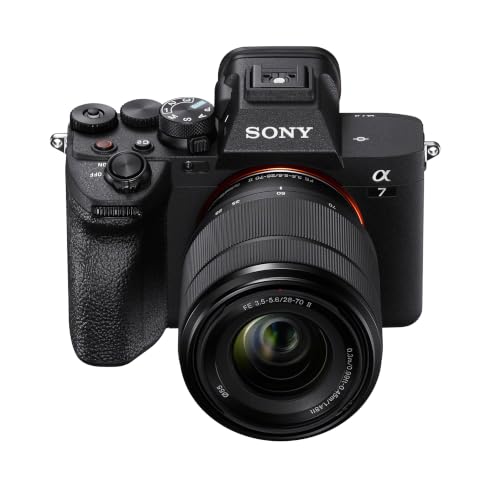




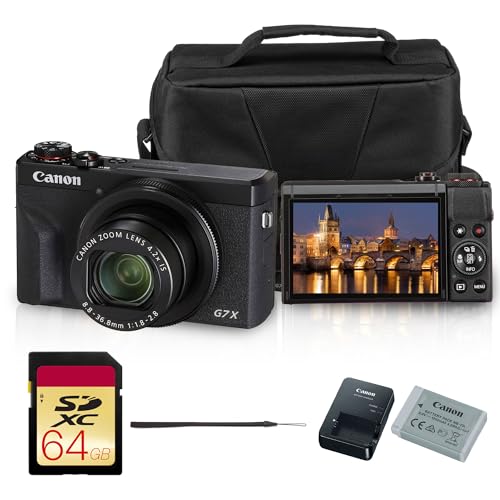


Types of Cameras Compared
Four types cover nearly every stills camera sold today, and each one earns its place among the best cameras for high quality photos for a different photographer.
| Type | Best For | Strengths | Tradeoffs | Typical Price |
|---|---|---|---|---|
| Mirrorless | Most photographers | Strong autofocus, compact bodies, huge lens choice | Shorter battery life | about $600 to $3,500 |
| DSLR | Learners and bargain hunters | Optical viewfinder, long battery life, low used prices | Large bodies, older designs | about $400 to $2,500 |
| Premium compact | Travel and daily carry | Large sensor in a pocket size body | Fixed lens, fewer controls | about $700 to $1,500 |
| Bridge | Wildlife and sports on a budget | Very long zoom in one package | Small sensor limits low light quality | about $300 to $900 |
Mirrorless Cameras
Mirrorless cameras lead this comparison because their sensors set the quality ceiling. Sensor size governs low light performance and print size more than any other spec: full frame sensors gather the most light, APS C sensors balance quality and cost, and smaller sensors trade quality for size. Mirrorless bodies pair those sensors with fast autofocus and electronic viewfinders that preview exposure before you shoot. They also anchor the widest modern lens ranges, which matters because the lens you mount shapes final quality as much as the body does.
DSLR Cameras
DSLR cameras use a mirror and an optical viewfinder, so you see the scene through the lens with no screen lag and almost no battery drain. Battery life is a strength, often two or three times that of a mirrorless body, and the used market is full of capable bodies and lenses at low prices. The tradeoffs are size, weight, and slower autofocus in live view. For learners who shoot outdoors in good light, a used DSLR kit still delivers files that print well.
Premium Compact Cameras
Premium compacts put a one inch or APS C sensor behind a fixed lens in a body that fits a coat pocket. In daylight their files come close to mirrorless quality, and the simple controls suit anyone who wants a real camera within reach all day. The honest limit is the fixed lens: you cannot swap it when your subjects change. They sit a class above the best instant photo cameras, which trade file quality for a printed photo on the spot.
Bridge Cameras
Bridge cameras pair a small sensor with a long built in zoom, sometimes reaching the view of a telephoto lens at a fraction of the cost. That reach is why they appear in so many guides to the best cameras for wildlife photos. In bright light their photos look sharp and detailed. The small sensor is the limit, since dusk and indoor shots turn grainy sooner than with larger sensor types, and the zoom is fixed if your needs change.
Mirrorless vs DSLR: Which Should You Choose?
These two types share sensors and lens quality, so the choice rests on handling rather than image quality. Choose mirrorless if you value smaller bodies, silent shooting, autofocus that tracks eyes and animals, and a viewfinder that previews your exposure. Choose a DSLR if you prefer an optical viewfinder, shoot long days far from chargers, or want the lowest used prices for bodies and lenses. Both types earn places in roundups of the best high quality cameras and can produce exhibition quality prints, and your existing lenses, if you own any, may settle the question by themselves.
How to Choose the Right Camera
The five checks below apply to nearly all of the best digital cameras sold for stills work. Work through them in order and spec sheet confusion disappears.
Lens Quality Decides Sharpness
The lens governs sharpness more directly than the body does. A mid range body behind a good lens will outshoot a flagship body behind a kit zoom in most scenes, because the lens forms the image before the sensor records it. Read the aperture figures: a lens marked f/2.8 gathers far more light and blurs backgrounds more than one marked f/5.6. Check sharpness at the edges of the frame too, since weak lenses stay soft in the corners even when the center looks fine, and rank zoom range last, because a shorter, brighter lens usually beats a long, dim one.
Features That Matter for High Quality Photos
Four features separate strong stills cameras from the rest, starting with raw file support, which gives you full editing control over exposure and color after the shot. Wide dynamic range holds detail in bright skies and deep shadows in the same frame. In body stabilization steadies handheld shots at slower shutter speeds, which protects sharpness in dim rooms. A good electronic or optical viewfinder, plus a tilting rear screen, makes careful composition easier at awkward angles.
Honest Specs: Maker Numbers vs Real Photos
Treat headline maker figures as ceilings, not promises. Maximum ISO settings, dynamic range stops, burst speeds, and shots per charge are all measured under controlled conditions that favor the camera. A body rated for extreme ISO values will usually produce clean files several stops below that ceiling, and battery ratings assume light use of the rear screen. This does not make the numbers useless; it makes them ceilings for comparison, so judge quality by sensor size and lens class first and let the maker figures break ties.
Size, Weight, and Ergonomics
The camera you carry is the camera that takes the photo, and a full frame body with a bright zoom can pass two kilograms, which is fine on a planned shoot and miserable on a long walk. Smaller types trade some low light quality for a kit you will actually bring along. Grip shape, control dials, and menu layout matter over hours of use, so handle a camera or read its dimensions before buying. Weather sealing earns its cost if you shoot outdoors in rain or dust.
Video Capabilities
Most stills cameras also record capable 4K video, which is a bonus rather than a reason to choose one for photos. If you shoot both, look for a microphone input, a screen that flips forward, and clean output over an HDMI connection. If you shoot stills only, let sensor and lens decide and treat video specs as tie breakers. One caution: video focused bodies sometimes drop the viewfinder that stills photographers rely on.
Setup and Care Tips
Wipe lenses with a proper lens cloth rather than a shirt, since grit scratches coatings. Carry a spare battery and format memory cards in the camera, not on a computer, to avoid file errors. Store the camera in a dry, padded bag, and use a rocket blower to clear dust from the lens mount before swapping lenses. Check the sensor for dust spots by photographing a plain bright wall at a narrow aperture a few times a year.
FAQs
What matters more for high quality photos, the camera body or the lens?
The lens matters more once the body is competent, so plan your spending that way. Bodies are replaced every few years as sensors and autofocus improve, while good lenses stay in service for a decade or longer. A workable split is to put about 40 percent of a long term budget into the body and the rest into lenses over time. Photographers who reverse that split often own an impressive body whose kit lens quietly caps every photo they take.
How many megapixels does a camera need for high quality photos?
About 24 megapixels is enough for most photographers, including large prints. The math is simple: a 24 megapixel file measures roughly 6000 by 4000 pixels, which prints at about 20 by 13 inches at the standard 300 dots per inch. Higher counts help aggressive cropping and large wall prints, but they also enlarge files and expose weak lenses. Chasing megapixels past your print size buys storage costs, not visible quality.
Can a camera take high quality photos in low light without a flash?
Yes, if you manage the exposure tradeoffs deliberately. Open the aperture wide, raise the ISO as far as your sensor stays clean, and keep the shutter speed near 1/60 of a second or faster for handheld work to avoid blur from your own movement. Stabilization buys you a few extra stops of shutter speed on still subjects. The new point many beginners miss is bracing: leaning against a wall or resting elbows on a table steadies a camera as well as some gear upgrades.
Is a smartphone enough for high quality photos?
A smartphone is enough for sharing online and small prints, but not for demanding work. Phones lean on software processing to hide a tiny sensor, and the help shows its limits in large prints, heavy crops, and tricky light where skies band and edges smear. A dedicated camera, especially one that shoots raw files, keeps far more real detail for editing. Many photographers carry both: the phone for convenience and the camera when the photo matters.
How much should I spend on a first camera for high quality photos?
A first budget of about $500 to $900 buys a strong start in any type. That range covers capable used mirrorless and DSLR kits and the better premium compacts, all with money left for a memory card and bag. Keep a little in reserve for a second lens later, since that upgrade improves photos more than a body swap. Avoid the top price band until you know which subjects you shoot most, because the right second lens depends on that answer.
Final Thoughts
Start with the type that fits your subjects and your carrying habits, then spend on the lens before the body. Sensor size sets the quality ceiling, honest reading of lab figures keeps expectations real, and the product table above lets you compare the finalists side by side. Photographers who follow that order usually find the best cameras for high quality photos for their own work without paying for specs they will never use.

