
Best Cameras for Helmets for 2026: What Actually Matters Before You Buy
Disclosure: We may earn a commission when you buy through links on this page, at no extra cost to you. As an Amazon Associate I earn from qualifying purchases. Learn more

Learn how to compare helmet cameras by mount fit, stabilization, battery life, and weather sealing, and choose the right type for your riding and budget.
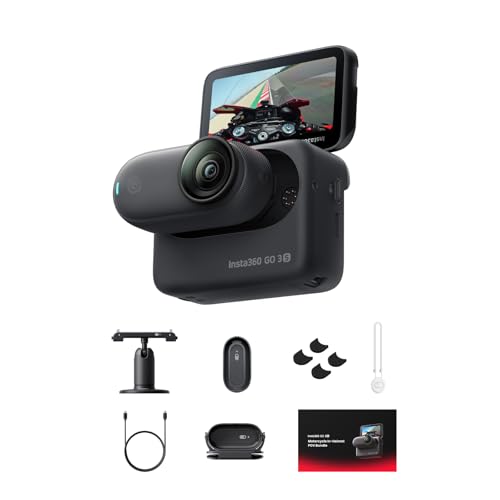
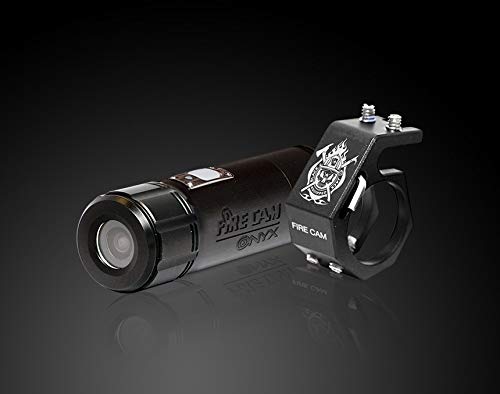
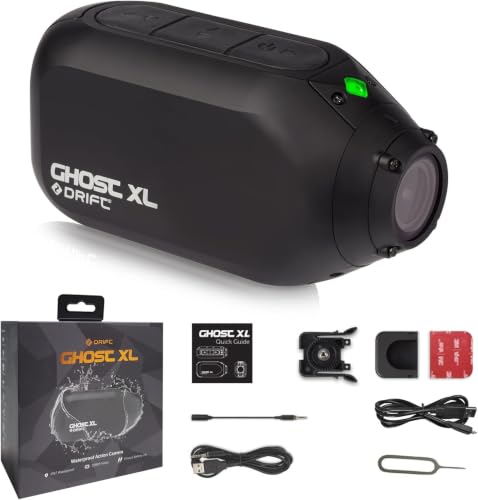
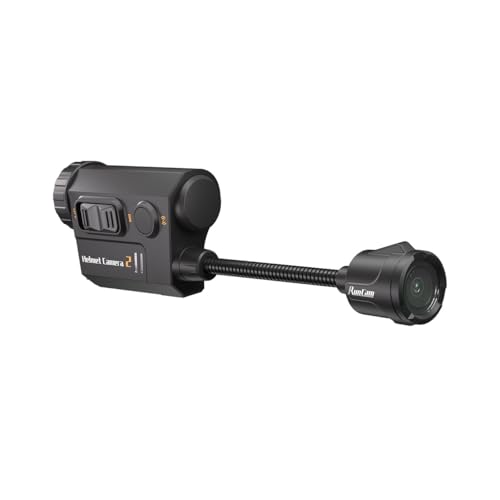
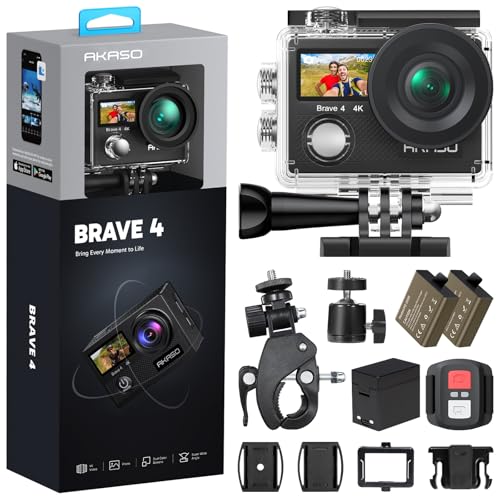
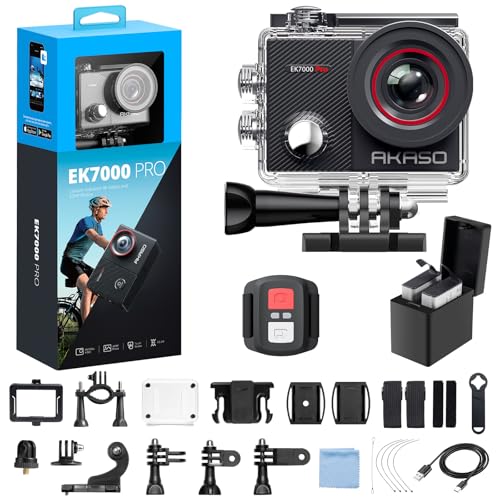
Choosing the best cameras for helmets starts with fit, not with resolution alone. A camera that sits securely, stays steady on rough roads, and keeps recording through rain and dust will serve you far better than a sharper camera that wobbles, fogs, or runs out of power halfway through a ride. The comparison table below lays out the main types side by side so you can see the tradeoffs at a glance.
Helmet cameras come in several shapes, from small action units that mount on top or on the side of a helmet to compact units that sit on a chin bar. Each shape changes the weight balance, the wind noise, and the view you capture. This guide covers a practical checklist, spending levels, and common mistakes.




A Practical Checklist for Helmet Cameras
Use this checklist to compare features. Every factor below affects your footage or how easy the camera is to live with. Give extra weight to the factors that match your riding.
Mount Fit and Helmet Compatibility
Start with the mount, because a camera that cannot sit firmly on your helmet is a poor buy at any price. Check whether the mount suits a curved shell, a flat side panel, or a chin bar, and whether it leaves room for a visor to open fully. Adhesive mounts work well on smooth shells, while strap mounts suit vented helmets with large openings. For road riding, see our guide to the best motorcycle helmet cameras for mount options that suit full face shells. Never adjust a camera while riding. Set the angle before you leave, and pull over safely if you need to change it.
Stabilization and Field of View
Stabilization matters more on a helmet than on a tripod, because every bump, lean, and head turn reaches the camera. Electronic stabilization smooths small shakes and makes footage easier to watch, while a very wide view can make the road look distant and curved at the edges. A moderate wide view usually gives a natural sense of speed and place without heavy distortion. Cyclists comparing mount and stabilization options can see our guide to the best bike helmet cameras.
Sensor Size and Image Quality
Sensor size affects detail and low light behavior more than the megapixel count alone. A larger sensor usually gathers more light and keeps colors cleaner in shade and at dusk, while a smaller sensor can still look good in bright daylight. Do not chase the highest resolution number without checking the frame rate and the bitrate, since a high resolution file with heavy compression can look soft in motion. For most riders, smooth 4K or high quality 1080p video with a stable frame rate beats a fragile top resolution setting.
Autofocus and Ease of Use
On a helmet you cannot fiddle with focus, so the camera should lock onto the road ahead quickly and stay there. Reliable autofocus, a simple one button start, and clear voice or button feedback help you confirm recording without looking away from the road. A small screen or a phone app preview helps you frame the shot before you set off, but you should not rely on a live preview while riding. Look for a camera that starts fast, beeps or vibrates to confirm recording, and lets you change the main mode with gloves on.
Size, Weight, and Balance
Weight on a helmet is felt quickly, especially on long rides. A heavy camera on top of a helmet can pull your head back at speed and tire your neck, while a side mounted unit can feel uneven on long days. A compact, light camera usually feels better and catches less wind, but it may give up battery life or a large screen. Try to keep the total added weight low, and place the camera where it balances best for your helmet shape. If a camera makes your helmet feel top heavy in the shop, it will feel worse after two hours on the road.
Video Features and Audio
Video features worth comparing include frame rate choices, slow motion options, time lapse modes, and a microphone input for a separate mic. High frame rates help slow motion look smooth, while a microphone input lets you record clearer voice notes or commentary when parked. Built in microphones pick up a lot of wind noise at speed, so check for a wind noise reduction setting and a foam cover option. A flip screen is handy for framing a selfie style shot before a ride, but it adds bulk, so weigh it against the weight and size cost.
Low Light Performance
Low light performance depends on sensor size, lens aperture, and how the camera handles noise, not on a single headline number. A wider aperture lets in more light, and a camera that controls noise well will keep dusk and tunnel footage usable instead of grainy and smeared. If you often ride at dawn, dusk, or through tunnels, give low light behavior real weight. If you ride only in daylight, you can trade some low light strength for better battery life or a lower price.
Battery Life and Weather Sealing
Battery life decides how much of a ride you actually capture. A camera that records for about an hour may suit a short commute, while a tourer will want a larger battery, a spare battery, or a way to charge from a power bank during a stop. Weather sealing matters just as much: rain, dust, and road spray can end a ride early for an unsealed camera. For cold weather riding, see our guide to the best ski helmet cameras. Look for a stated water resistance rating and sealed covers over ports and battery doors. Carry a spare battery and a dry cloth, and store the camera in a padded bag away from damp gear.
Spending Levels That Make Sense
When you compare the best cameras for helmets, it helps to think in spending levels instead of individual picks. Each level trades some features for a lower price, and the right level depends on how often you ride and how much you value the footage. Prices below are approximate, and live prices can change, so check the product page before ordering.
At a modest level, around $100 to $200, you can expect a compact action style camera with electronic stabilization, decent daylight video, and basic weather resistance. This level suits new riders and commuters who want a simple record of the ride without a large outlay. You may give up some low light quality, a large screen, or long battery life, but the core job, steady daylight footage from a secure mount, is well covered.
At a middle level, about $200 to $400, you gain stronger stabilization, better low light behavior, longer battery options, and more mount choices. This level suits regular riders who record often and want footage that holds up on a larger screen. For many riders this is the sweet level where extra spending still buys visible gains.
At a higher level, around $400 and above, you pay for larger sensors, advanced stabilization, higher frame rates, and more refined audio and mounting systems. This level suits riders who edit footage often, ride in mixed light, or want the most flexible camera for varied trips. Beyond this point, gains become smaller for casual use, so spend here only if you will use the extra modes and quality regularly.
Quick Buyer Checklist
Run through these questions before you buy, and answer yes or no for each one:
- Does the mount fit my helmet shape without blocking the visor or vents?
- Can I start and stop recording with gloves on, without looking at the camera?
- Does the stabilization suit the roads or trails I ride most?
- Will the battery last for my usual ride, or can I carry a spare?
- Is the camera sealed well enough for rain and dust on my routes?
- Does the weight feel balanced on my helmet, not top heavy?
- Can I transfer and edit footage easily on my phone or computer?
- Does the price leave room for a mount, a spare battery, and a memory card?
Red Flags to Watch For
Be cautious when a listing gives vague specs with no frame rate, sensor size, or battery figure to check. A camera that promises extreme zoom or extreme resolution without explaining the tradeoffs often disappoints in real use. Very short or unclear warranty terms, missing safety certification details, and a flood of nearly identical short comments can also signal a weak product. A good seller states the specs plainly and answers mount and compatibility questions clearly.
Setup and Care Tips
Set the angle at home before your first ride, using a short test recording to check that the horizon sits level and the visor stays clear. Clean the lens with a lens cloth, not your shirt, since fabric can drag grit across the glass and leave fine scratches. Carry a spare battery and a dry, padded bag, and store the camera away from damp gear after a wet ride. For cycling, see our guide to the best helmet cameras for cyclists for mount ideas that suit vented road helmets. Follow local road and recording rules, and respect the privacy of others when you record in public places.
Your Questions Answered
What features matter most in cameras for helmets?
Mount fit, stabilization, battery life, and weather sealing matter most, because they decide whether the camera stays put, records steadily, and survives the ride. A secure mount and steady footage beat a higher resolution figure that wobbles or cuts out early. After those basics, look at low light behavior, audio options, and ease of use with gloves. Choose the camera that covers your weakest point first: a commuter needs battery and simplicity, while a trail rider needs stabilization and sealing.
What specs matter most for beginners?
Beginners should focus on simple controls, reliable stabilization, and a clear battery figure rather than advanced manual settings. A camera with one button recording, a clear recording signal, and a standard mount system is easier to learn and less likely to distract you. Look for smooth 1080p or 4K video at a steady frame rate, a stated water resistance rating, and a memory card size the camera supports. You can learn advanced modes later, once the basics feel natural.
Can I use a regular compact camera on a helmet?
A regular compact camera is usually too large, too heavy, and too fragile for helmet use, and it lacks a secure helmet mount and weather sealing. Action style cameras are built for vibration, wind, and rain, and they mount firmly without blocking your vision. A compact camera may work for a parked photo, but for moving footage a purpose built helmet camera gives steadier video, better sealing, and safer handling. Never adjust any camera while riding, whatever type you choose.
Is a smartphone enough instead of a helmet camera?
A smartphone can record good video in daylight, but it is hard to mount safely on a helmet, it catches wind, and it drains its battery fast when recording. A phone also lacks the weather sealing and stabilization tuning of a dedicated helmet camera, and a fall can damage your main communication device. A helmet camera keeps your phone free for navigation and calls, and it records hands free from a stable viewpoint. Use a phone for short clips when parked, and a helmet camera for the ride itself.
How much should I spend on my first helmet camera?
Most first time buyers do well at a modest to middle level, about $100 to $300, where you get steady video, basic weather resistance, and a usable mount system. Spend less if you only want a simple record of short rides, and spend more only if you edit often or ride in varied light and weather. Leave room in the budget for a spare battery, a memory card, and possibly a second mount. If the total cost rises well above your plan, step down a level rather than skipping the mount and battery you need.
Final Thoughts
The right helmet camera is the one that fits your helmet securely, records steadily, and lasts for your usual ride without fuss. Give mount fit, stabilization, battery life, and weather sealing the most weight, then match the remaining features to how often you ride and how you use the footage. The product table above can help you compare types side by side before you decide. When you weigh the checklist against your budget, the best cameras for helmets for you will be the model that covers your riding needs simply, safely, and reliably.


