
Best Cameras for Headshots in 2026: Everything to Know Before Your First Purchase
Disclosure: We may earn a commission when you buy through links on this page, at no extra cost to you. As an Amazon Associate I earn from qualifying purchases. Learn more

New to choosing the best cameras for headshots? Learn sensor sizes, lens basics, autofocus, and budget levels in this plain English first buyer guide.
Shopping for your first portrait camera can feel like learning a new language, with spec sheets full of sensor sizes, apertures, and autofocus points. This guide starts from the basics and explains how to choose among the best cameras for headshots in plain English. By the end, you will know which features shape a flattering headshot and which numbers you can safely ignore.
Headshots are a kind first project, because your subject sits still, you control the light, and small upgrades show up fast in the final image. The comparison table below lines up the main camera types side by side, and the sections after it walk through each buying decision one step at a time, from sensor size to your first practice session.
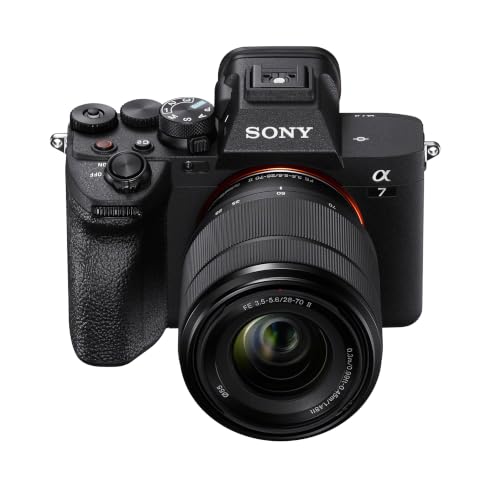




Cameras 101: The Basics
A camera is a light recording tool. The lens gathers light and focuses it onto a sensor, and the sensor turns that light into a digital file you can edit and share. Bigger sensors generally record cleaner detail and blur the background more, which is why they are popular for portraits.
Most first time buyers choose between three families. Compact cameras have a fixed lens and fit in a coat pocket. Mirrorless cameras swap lenses and focus with electronic aids on a screen or in an electronic viewfinder. DSLR cameras use a mirror and an optical viewfinder, and they remain common in used listings.
If you want a wider look at the families, our guide to best digital cameras compares them in more depth.
For headshots, the lens and the light usually matter more than the body, a point this guide returns to often.
Key Specs Explained in Plain English
Spec sheets list dozens of numbers, but only a handful change how a headshot looks. The five areas below are the ones worth your money and attention as a beginner comparing the best cameras for headshots.
Features That Matter for Headshots
Headshots live or die on the eyes, so look for eye detection autofocus that locks onto a face and holds focus on the nearer eye. Pair it with a lens in the 50 to 85 mm full frame equivalent range, which keeps faces natural and avoids the stretched look of wide lenses. An aperture of f/1.8 to f/2.8 blurs the background gently, so the viewer looks at the person, not the room.
Sensor Size and Image Quality
Sensors come in three common sizes for this job: 1 inch, APS C, and full frame. Larger sensors collect more light, so they hold up better indoors and give you shallower depth of field for that soft background. Megapixel counts matter less than sellers suggest, since 20 to 24 megapixels is plenty for prints and profile photos. Clean files at high ISO settings will help you more than extra pixels you never use, and our best quality cameras guide explains how file quality differs across price levels.
Low Light Performance
Many headshots happen indoors, near windows or under office lighting, so low light skill matters. A wide aperture lens, such as f/1.8, lets in far more light than a slow kit zoom and is the cheapest upgrade you can make. Check the usable ISO range rather than the maximum number, and prefer cameras with in body or lens stabilization if you plan to shoot handheld at slower shutter speeds.
Video Capabilities
Video is a bonus for headshots rather than a core need, but it helps if you also record introductions or profile clips. Look for 4K recording, a microphone input, and a screen that flips forward so you can frame yourself. If you only shoot still portraits, you can rate video low and put the savings toward a better lens or a simple light.
Ease of Use for Your Skill Level
A camera you understand beats a camera you fight. Guided auto modes, clear menus, and a companion app that moves photos to your phone all shorten the learning curve. Touch focus on the rear screen makes it easy to place focus on an eye. If you are brand new, our guide to best starter cameras focuses on models with strong automatic help.
Choosing Cameras for Your Situation
Your first purchase goes further when you plan for photography as a whole, not just one portrait session.
Best Cameras for Headshot Photography: Tips for First Time Buyers
Photography rewards a system you can grow. Choose a lens mount with affordable portrait lenses, since a 50 mm prime often costs less than the camera body and improves results more. Check that the camera supports an external flash or LED light later, because one simple light changes headshots more than a body upgrade.
Readers comparing broader kits can also see our guide to best cameras for photography for general purpose options. Finally, hold the camera if you can, because grip comfort decides whether you practice often.
Rookie Mistakes to Avoid
First time buyers tend to repeat the same handful of errors. Watch for these before you spend anything.
- Paying for the highest megapixel count, then wondering why indoor shots still look noisy and soft when you view them closely.
- Spending the whole budget on the body and leaving nothing for a portrait lens or a basic light, which shape the photo more.
- Judging autofocus by the number of focus points instead of checking whether the camera offers eye detection for people.
- Posing your subject against a busy wall two steps behind them, which keeps the background sharp and distracting.
- Skipping practice before a real session, so settings feel new while someone is sitting and waiting on you.
Getting Started: Setup and First Use
Charge the battery fully and format a memory card in the camera before your first session. Turn on eye detection autofocus and set the camera to aperture priority, then choose f/2 to f/2.8 for a single subject. Place your subject about six feet from a plain background and a few feet from a large window, and turn their shoulders at a slight angle.
Use a lens cloth, not your shirt, to clean the front element, and carry a spare battery so a flat pack never ends a session early. One safety note: never look at the sun through an optical viewfinder, and shade your subject instead of aiming the camera toward bright midday sun.
Frequently Asked Questions
What features matter most in cameras for headshots?
Sharp focus on the eyes matters most, so eye detection autofocus and a portrait lens in the 50 to 85 mm range should top your list. A larger sensor helps blur the background and keep indoor files clean. One extra worth knowing about is tethered shooting, where the camera sends each photo straight to a laptop, so you and your subject can check expressions on a big screen as you work.
How much should I spend on my first headshot camera?
A sensible first budget is about $400 to $800 for a camera with a kit lens, or about $800 to $1,500 if you add a fast prime lens. Spend on the lens before the body, because a modest body with an f/1.8 prime outperforms a costly body with a slow zoom for portraits. Buying a previous generation model used, from a seller with a return policy, stretches the budget further.
Which camera type handles low light best for headshots?
Full frame cameras handle low light best, because their larger sensors keep noise down at high ISO settings. APS C models come close when paired with a wide aperture lens, and that pairing usually costs less. Whatever the sensor, light your subject well first, since even the best sensor cannot fix flat, dim light on a face. Add a low cost LED panel before you upgrade the body.
Is a smartphone enough for headshots instead of a camera?
A smartphone is enough for casual profile photos in good daylight, and its portrait mode blurs the background in software. A dedicated camera pulls ahead indoors, where phone files soften and skin texture smears. Cameras also give you a true portrait lens, off camera flash options, and consistent color across a full session. If headshots support your job search or business, the camera earns its cost quickly.
What lens focal length works best for headshots?
A focal length of 50 to 85 mm, stated as full frame equivalent, works best for most headshots. It keeps noses, ears, and chins in natural proportion and lets you stand at a comfortable talking distance. On APS C cameras, a 35 to 50 mm lens gives a similar view. Go longer, around 85 to 135 mm, when you want tighter framing and even softer backgrounds.
Final Thoughts
For your first purchase, remember three things: eye detection autofocus, a portrait lens around 50 to 85 mm, and a sensor size that fits your budget and your rooms. The product table above can help you compare the best cameras for headshots side by side once you know which type suits you. Start simple, practice on friends, and let your lighting skills grow with your kit.


