
Best Cameras for Ghost Hunting by Budget: How to Choose for 2026
Disclosure: We may earn a commission when you buy through links on this page, at no extra cost to you. As an Amazon Associate I earn from qualifying purchases. Learn more

Compare the best cameras for ghost hunting across budget, midrange and premium tiers, and see which low light and night vision features are worth paying for.
A ghost hunt happens in near darkness, often in an unfamiliar building, and the camera has to keep working for hours with little help from you. Prices for the best cameras for ghost hunting run from about $50 to well past $900, and most of that gap pays for low light sensors, infrared light, and battery stamina. This guide splits the market into three budget tiers so you can see what each level buys.
One caution before the specs: a camera records light and sound, and nothing more. It cannot prove a place is haunted, and most odd frames have plain causes such as dust, moisture, or insects close to the lens. Keeping that in mind helps you spend on honest performance, and the comparison table below sets the main camera types side by side.




What Your Money Gets You at Each Price Tier
Every tier below can record a dark room. What changes with price is how clean the image stays, how far the infrared light reaches, and how much of the night you can film without swapping batteries or cards.
Budget Tier: What to Expect
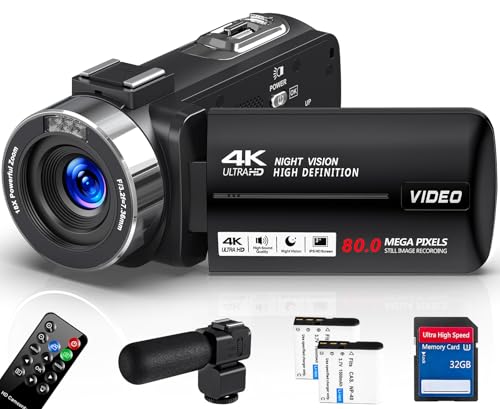
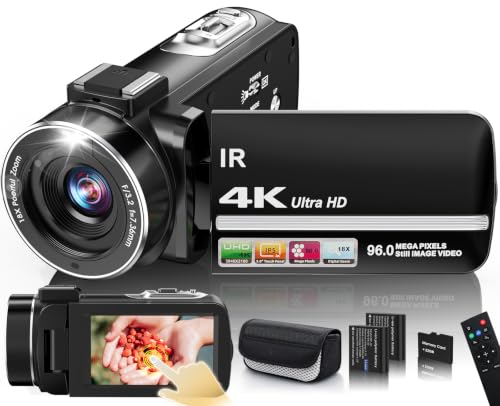
For about $50 to $150, expect compact cameras and basic camcorders with small sensors, modest screens, and infrared lamps that reach about 30 feet. These models suit small rooms and short sessions, and they teach you the basics of framing and audio without much risk. Grain will show in large dark spaces, and most lack a microphone input, so plan to add a separate clip on infrared light if your locations are big.
Midrange Tier: Where Most Investigators Land
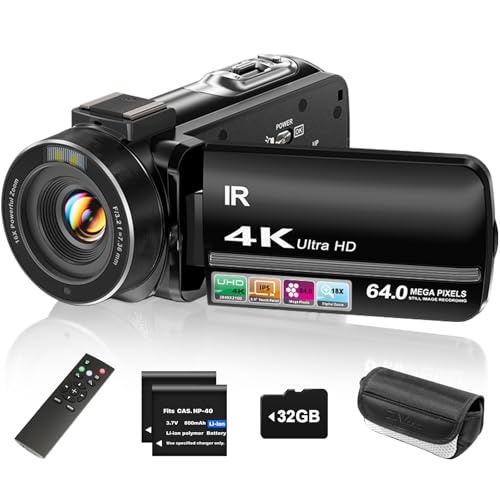
Spending about $150 to $400 brings 1 inch or larger sensors, cleaner high ISO video, and infrared reach closer to 60 feet. Most cameras here add a microphone input, a flip screen for solo filming, and batteries that last a full evening. This is the tier where picture quality stops limiting your review of the footage, so most regular investigators settle here and put spare cash toward lights and audio gear.
Premium Tier: What the Extra Money Actually Buys
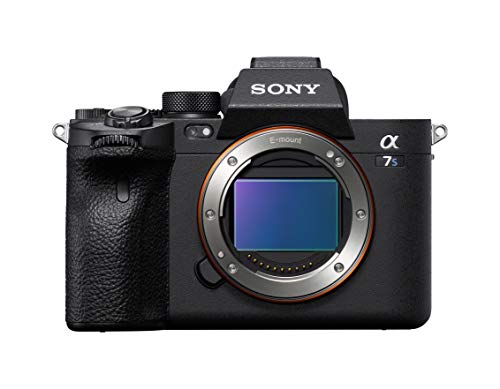
At about $400 to $900, you pay for large sensors that stay clean in almost total darkness, faster lenses, dual memory card slots, and solid weather sealing. Premium camcorders also run longer on one battery and record cleaner audio. The gains are real but narrower than the jump from budget to midrange, so this tier suits teams filming every weekend or producing videos for an audience.
Features Worth Paying For (and Ones to Skip)
When you compare the best cameras for ghost hunting, spend first on the sensor, the infrared light, and the battery system, because those three shape every minute of footage. Skip inflated megapixel counts, digital zoom figures, and any mode marketed as sensing spirits. None of those extras improve a dark room recording, and the money serves you better as a second light or a good audio recorder.
Sensor Size and Image Quality
In darkness, sensor size beats megapixel count every time. Larger sensors, from 1 inch up to full frame, collect more light per pixel, so video stays cleaner when you raise the ISO. A 20 megapixel large sensor will outperform a 40 megapixel small one on every night shoot. Our general guide to the best digital cameras explains how sensor formats compare across camera types.
Autofocus and Stabilization
Autofocus hunts badly in the dark, so a camera that focuses manually with clear on screen aids is worth more than a fast sounding focus spec. Image stabilization matters for handheld walkthroughs, where every step shakes the frame. On a tripod, which is how most evidence footage is shot, stabilization matters far less, so do not pay a premium for it alone.
Features That Matter for Ghost Hunting
Ghost hunting needs long, quiet, unattended recording, so judge cameras on infrared coverage, audio quality, and how they behave left alone for hours. Built in audio varies widely, and a clear sound track often tells you more than grainy video. Treat orb photos with suspicion: dust, moisture, and insects near an infrared lamp make bright circles that look strange but prove nothing. If video is your focus, our guide to the best video cameras for ghost hunting covers that format in depth.
Battery Life and Charging
Infrared lamps drain batteries fast, and a hunt can run six hours or more, so swappable batteries beat sealed ones. USB C charging from a power bank keeps a fixed camera alive all night without hunting for outlets in an old building. Check real recording time with the infrared lamp on, not the headline figure, which makers often measure with the lamp off.
Durability and Weather Sealing
Locations are dusty, damp, and cold, and gear gets knocked in the dark. Look for solid body construction, port covers, and sealing against moisture if you film in cemeteries or old barns. Teams that leave cameras outside for whole nights borrow from trail cameras, and our guide to the best hunting cameras covers that rugged, weatherproof category.
Choosing Cameras for Your Situation
Match the camera to the location you film most. Small rooms forgive a budget model, while large halls and outdoor sites demand light and battery first. Whatever you buy, get written permission from the property owner before you film, and check local rules on cemeteries and parks after dark. Recording where you have no right to be can end your hunt and bring legal trouble, and no feature is worth that risk.
Best Night Vision Cameras for Ghost Hunting: Where Your Money Goes
Night vision cameras rely on infrared light, and the money goes into how far that light reaches, roughly about 30 to 100 feet, and how evenly it spreads. Separate infrared illuminators usually outperform small built in lamps and let you aim light where the camera is not pointing. Images will be monochrome, which is normal for infrared. For a fixed watch over one room, our guide to the best security cameras for ghost hunting covers cameras built to run unattended all night.
Long Term Costs to Factor In
The camera is only the first purchase. Budget for large memory cards, at least two spare batteries per camera, a tripod, a padded case, and a separate infrared light if you outgrow the built in one. Across a year of regular hunts, these extras often add about 15 to 25 percent on top of the camera price. Cards and batteries also wear out, so treat them as consumables in your budget rather than one time buys.
Care and Maintenance Tips
Store cameras in a dry padded case with the batteries removed if they will sit for weeks, and recharge spares every month or two so they are ready on short notice. Wipe lenses with a clean microfiber cloth after dusty locations. When you test gear outdoors in daylight, never look at the sun through the viewfinder, and keep lens caps on between setups to protect the glass.
FAQs
What features matter most in cameras for ghost hunting?
Infrared reach, sensor size, and battery life matter most, because every hunt is dark, long, and short on second chances. One feature buyers overlook is the audio track: microphones vary a lot between models, and a camera with a microphone input lets you upgrade sound later without replacing the camera itself.
How much should I spend on my first ghost hunting camera?
A first camera at about $150 to $250 from the midrange tier is the sensible start, because it records cleanly enough that you can trust what you review later. Put the money you save toward a sturdy tripod and an audio recorder, which improve results more than a pricier camera body would at this stage.
What specs matter most for beginners buying a ghost hunting camera?
Beginners should read four specs: sensor size, infrared range in feet, recording time with infrared on, and whether batteries can be swapped. Ignore digital zoom numbers and headline megapixels, which say little about dark room results. A flip screen also helps more than most spec sheets suggest when you film alone.
Is a smartphone enough instead of a camera for ghost hunting?
A smartphone works for notes, photos, and short clips, and its screen makes a fine monitor in a pinch. It falls short as a main camera because it has no real infrared light, its battery also runs your phone, and calls or alerts can interrupt a long recording. Most investigators end up using the phone for audio and a dedicated camera for video.
Which is better for low light on a ghost hunt, a bigger sensor or an infrared light?
Distance decides. Inside about 30 feet, infrared light does more for your footage than a sensor upgrade, because it adds light the camera can actually use. In large halls where light cannot reach the far wall, the bigger sensor wins, since it records the weak light that is there without turning the image to static.
Do I need permission to film in a cemetery or old building at night?
Yes, you need permission, and for private buildings it should be in writing from the owner. Many cemeteries close at dusk and treat entry after that as trespassing, and posted hours carry the force of local rules. Ask before you plan the hunt, keep the permission with you on site, and leave any location at once if you are told to go.
Final Thoughts
Pick your tier by the size of your locations and how often you hunt, then spend on light and batteries before luxuries. Midrange cameras cover most investigators well, and honest limits beat marketing claims every time. When you are ready to choose, start with the best cameras for ghost hunting in the product table above and match one to the places you actually film.

