
Best Cameras for Fine Art Photography in 2026: Which Type Is Right for You?
Disclosure: We may earn a commission when you buy through links on this page, at no extra cost to you. As an Amazon Associate I earn from qualifying purchases. Learn more

Compare fine art camera types by sensor, dynamic range, lens choice and print size, with clear guidance on studio, landscape and large print work.
Fine art work rewards patience more than speed. You plan an image, control the light, and often print it large, so small flaws in tone, color, or sharpness become easy to see. The best cameras for fine art photography protect those details while fitting the way you work. Use the comparison table below to match each type to your subject, your printing plans, and your budget.
This guide compares camera types rather than naming models. Studio, landscape, and large print work each call for different tools. The sections below separate those needs so you spend on what changes your finished print.




Who Should Buy a Camera for Fine Art Work?
Start with the work you actually show or sell. If your goals extend beyond print work, see our guide to the best cameras for photography for a broader view.
Artists Making Large Gallery Prints
You print big and notice noise, soft corners, and banding in smooth skies. Prioritize sensor size, resolution, and clean files at low ISO settings, because they decide how large you can print cleanly. You can accept a slower, heavier kit, and a small set of sharp lenses will matter more than fast bursts.
Studio Artists Working With Controlled Light
You build each scene, set lights by hand, and shoot at a deliberate pace in a fixed space. Tethered shooting, accurate color, and a clear screen matter more than portability, because you judge focus and tone on a monitor while the subject is still in place. Sealing and battery size matter less indoors, so spend instead on lenses and lighting control.
Landscape and Architecture Artists Working Outdoors
You work slowly outside, often on a tripod, and wait for light rather than chase action. You need strong dynamic range for bright skies over dark ground, plus sealing against dust and light rain. Balance sensor size against the distance you walk, because a kit left at home makes no prints.
Types of Cameras Compared for Fine Art Work
Three camera families serve fine art buyers well, and each trades size, cost, and speed in a different way. Judge them by print size and usual location, which narrow the choice faster than any spec list.
Medium Format Mirrorless Cameras
Their sensor is larger than full frame, gathering fine tonal steps and subtle color differences that show in large prints. The costs are real, though. Bodies and lenses are expensive, autofocus is slower, and the kit is heavy. Choose this type when print quality comes first and your subjects stay still enough for a calm, tripod based routine.
Full Frame Mirrorless Cameras
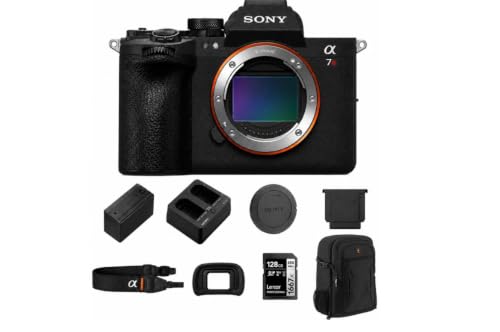
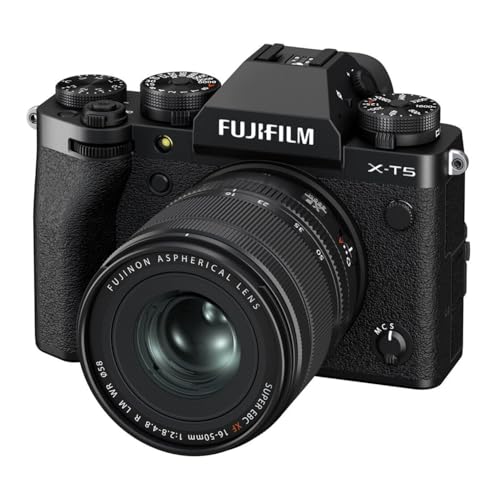
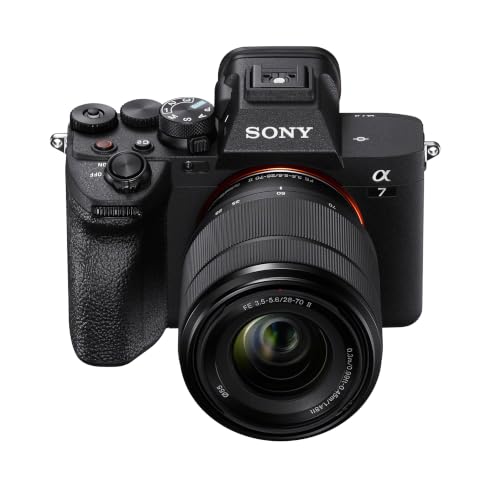
Full frame mirrorless models are the balanced choice for most fine art work. A 36 by 24 mm sensor gives strong detail, wide lens choice, and good low light files, while bodies cost less than medium format options. High resolution versions suit large prints, while standard versions suit books and smaller shows. Deep lens ranges let one system cover studio, landscape, and portrait work.
Film Cameras for Fine Art Projects
Film slows you down in a way many artists value. Each frame costs money, so you compose with care, and film grain gives prints a look digital files only imitate. If that process appeals to you, see our guide to the best film photography cameras for format options. Film stock, developing, and scanning add ongoing cost, and you give up instant review, so this type suits patient project work, not deadlines.
Key Features to Compare
The best cameras for fine art photography are rarely the fastest cameras you can buy. Speed features add cost without improving a still life. Compare the six factors below, weighted by your print size and subject.
Sensor Size, Resolution and Print Size
A larger sensor spreads the image over more area, keeping noise low and tones smooth at a given print size. About 24 megapixels prints well to roughly 16 by 20 inches, while files of 45 megapixels or more support prints of 30 inches and beyond when technique is solid. Match the numbers to your largest honest print, since unprinted detail only adds cost and file size.
Dynamic Range and Color Depth
Dynamic range is the span between the darkest and brightest tones a sensor can hold in one frame. Wide range protects shadows in a dark interior while holding a bright window. Color depth, often expressed as 14 bit RAW capture, records more steps between similar tones, so gradients in skin or sky stay smooth during editing. For subtle images, these traits matter more than a small jump in megapixels.
Lens Choice and Sharpness for Fine Art Work
A camera system is only as good as the lenses you can buy for it. Sharp prime lenses with low distortion suit still life, portrait, and architecture work, and often cost less than top zooms. Check corner sharpness, not only center sharpness, because fine art prints invite close viewing across the whole frame. A deep used market for your mount can also cut total system cost.
Manual Focus, Autofocus and Composition Tools
Fine art subjects usually hold still, so precise focus matters more than fast focus. Focus magnification and focus peaking let you place focus exactly on an eye, a leaf edge, or a label. Reliable autofocus still helps for portraits, where a slight shift ruins a strong frame. A tilting screen supports tripod composition, and image stabilization helps when you scout and test compositions by hand.
Tethering, File Options and Studio Workflow
Tethering sends each frame straight to a computer, so you can judge focus, color, and small set flaws on a large screen during the shoot. Full RAW support is essential, and dual card slots protect a paid session against one card failure. USB C charging lets a studio camera run long sessions with fewer battery swaps. Confirm the camera records the color space your print lab expects.
Weather Sealing, Battery Life and Outdoor Sessions
Sealing against dust and moisture protects field cameras near coastlines, deserts, and waterfalls, but it does not make a camera waterproof, so heavy rain still calls for a cover. Mirrorless battery ratings often run from about 300 to 600 shots per charge, and cold lowers that figure, so carry a spare for a full morning outdoors. A body that balances well with a heavy lens also reduces vibration on long exposures.
Common Mistakes to Avoid
Most fine art camera regrets come from buying for the wrong kind of photograph.
- Buying the highest megapixel count for small prints wastes money and fills drives with detail no viewer will see.
- Spending everything on a body leaves a weak lens that limits sharpness most.
- Ignoring system weight leaves a kit at home on the best mornings.
- Skipping tethering support slows studio work and hides focus errors until the set is gone.
- Judging quality only on screen hides flaws that a large print exposes.
Care and Maintenance for Fine Art Cameras
Wipe lenses with a proper lens cloth, not your shirt, since grit in shirt fabric can scratch coatings. Blow dust from the front element first, and keep caps on whenever a lens leaves the body. Sensor dust shows as dark spots in plain skies, so change lenses with the mount facing down and let a service shop clean stubborn sensor spots.
Store the camera in a dry, padded bag away from sun and damp rooms. Remove the battery during long storage, and dry the body after a wet or dusty outing. Check tripod plate screws before long exposures so the camera stays firm.
Frequently Asked Questions About Fine Art Cameras
What features matter most in a camera for large fine art prints?
For large fine art prints, sensor size, lens sharpness, and clean low ISO files matter most. Viewing distance is the point many buyers miss. A print seen across a room needs fewer megapixels than one inspected at arm length, so judge files at your audience distance. A small test print tells you more than any chart.
Which camera type is better for low light fine art work?
A full frame camera is usually better for low light fine art work than a smaller sensor model, because larger photosites gather light cleanly and keep shadows smooth. For still subjects on a tripod, though, you can keep ISO low and use a long exposure instead. Then a fast prime lens is the smarter purchase, and a slower body can match a costly one.
What camera specs matter most for fine art beginners?
For fine art beginners, full RAW capture, clear menus, and a camera you enjoy holding matter most, with sensor size next. A body that feels natural helps you learn exposure and composition faster. If you are comparing entry level options, see our guide to the best beginning photography cameras for starter friendly choices. Start with one versatile lens and upgrade only when a limit in your prints frustrates you.
Is a smartphone enough for fine art photography?
A smartphone can be enough for fine art photography at small print sizes and for online portfolios. Its automatic processing blends frames and sharpens edges for you, which flatters a screen but can flatten texture that large prints reveal. It also gives you little control over depth of field and lens choice. Many artists scout with a phone, then make final work with a dedicated camera.
How much should I spend on a first fine art camera?
Plan to spend about $800 to $2,000 on a first fine art camera kit, with the lens taking a fair share of that total. Splitting the budget near half for the body and half for one strong lens beats a costly body with a basic kit zoom. Keep a small reserve for a tripod, a spare battery, and memory cards. Renting for one weekend first can confirm the controls suit your hands.
Final Thoughts
Decide your print size first, then your main location, then your lens needs. Let the product table above confirm prices for your system choice.
When you compare best cameras for fine art photography with that order in mind, you stop paying for speed you will not use. Choose the system whose lenses and handling support the images you already love making, and your prints will show the difference.

