
Best Cameras for Filming under 300 in 2026: Types Compared and How to Choose
Disclosure: We may earn a commission when you buy through links on this page, at no extra cost to you. As an Amazon Associate I earn from qualifying purchases. Learn more

Compare mirrorless, compact and vlogging cameras for filming under 300 dollars, with checks for autofocus, audio, low light and stabilization.
Camera listings under $300 blur together fast, because a model can headline 4K video yet record it with weak autofocus, poor sound, or a short recording limit. The best cameras for filming under 300 are the ones whose video tools match the way you actually shoot, not the ones with the longest spec sheet.
This guide compares the main camera types side by side, explains the filming features that separate them, and shows what this budget can and cannot deliver. Use the comparison table below to narrow your shortlist, then read on.





Types of Cameras for Filming Compared
Four types cover nearly every sensible choice at this price. Shoppers comparing the best cameras for filming under 300 usually narrow the field to one of these formats first.
Mirrorless Bodies With Swappable Lenses
A mirrorless camera uses interchangeable lenses and a larger sensor than most compacts, so it gives you the most control over depth of field, low light quality, and framing. Swapping an objective lens lets one body handle wide room shots and tighter portraits. Choose this type if you plan to grow your skills and your kit over time.
Pocket Compacts With Optical Zoom
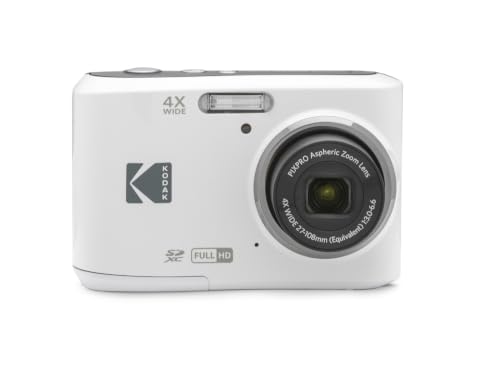
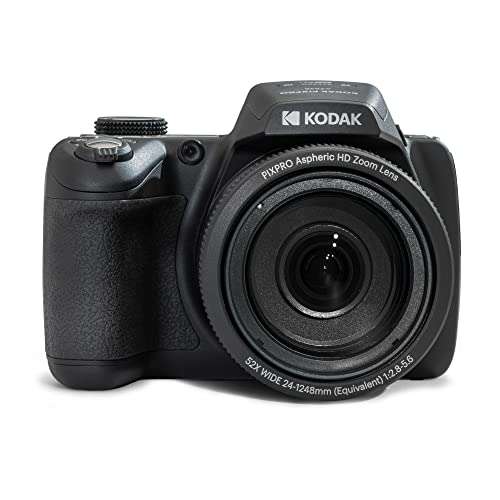
A compact carries a fixed zoom lens in a body that slips into a jacket pocket, and it starts fast with simple automatic modes. Optical zoom reaches distant subjects without the quality loss of digital cropping, which suits family events and travel days. If pocket size matters most, see our guide to the best compact cameras under 300 for a closer look at this format.
Self Filming Models With Flip Screens
Vlogging models are built around filming yourself, so they pair a flip screen you can check while recording with face detection that holds focus as you move. Many add a wide lens, a wind muff over the built in microphones, and a product showcase mode that shifts focus to an item you hold up. Pick this type if most of your filming happens at arm length or on a small tripod at home.
Tough Wide View Cameras for Movement
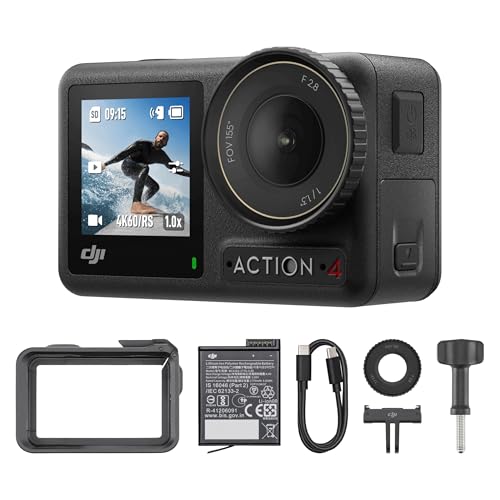
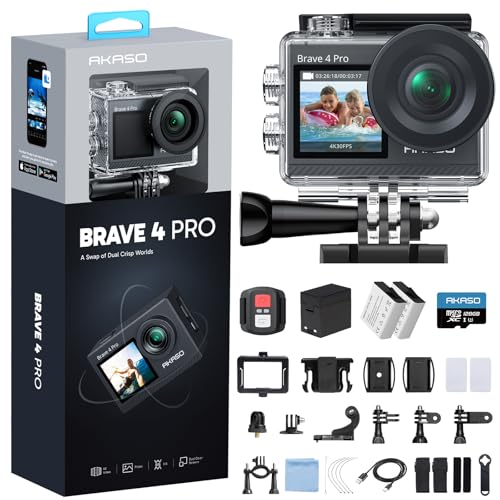
An action camera is a small, rugged box with a very wide view, strong stabilization, and a sealed body that shrugs off rain, dust, and shallow water. It mounts on helmets and handlebars and keeps moving footage steady without a gimbal, though the fixed wide lens distorts faces up close. For aerial shots instead, see our guide to the best drones with cameras under 300 and compare flight time before you buy.
Mirrorless Cameras vs Point and Shoot Compacts: Which Should You Choose?
These two types split the budget most cleanly. A mirrorless body wins on sensor size, lens choice, and manual control. A compact wins on price, pocket size, and zero setup, and its zoom is ready on day one.
Choose mirrorless if you film indoors often, want blurred backgrounds, or plan to add lenses later. Choose a compact if you travel light or want one purchase that is ready to record. Readers who also take many still photos can see our guide to the best digital cameras under 300 for the stills side of this choice.
Key Features to Compare Before You Spend $300
Video Resolution and Frame Rates for Filming
Resolution sets detail, and frame rate sets how motion looks. Full HD at 1080p still fills most screens well, while 4K video gives you room to crop in editing and keep the result sharp. Rates of 24 or 30 frames per second suit talking and events, and 60 frames per second smooths fast action, so check the rate offered at your chosen resolution.
Sensor Size and Image Quality for Filming
Sensor size shapes image quality more than the megapixel count does. A 1 inch sensor collects more light than the small sensors in basic compacts, and APS C sensors in mirrorless bodies collect more again, so footage stays cleaner as light falls. Lens aperture matters alongside size, since a brighter lens passes more light to any sensor, so indoor filming favors both over extra megapixels.
Autofocus You Can Trust While Filming
Video autofocus has to track a moving subject quietly and without hunting back and forth. Look for face and eye detection, a touch screen that lets you tap the subject to follow, and a focus motor that does not pulse in quiet scenes. Slow, confident tracking matters more than raw still photo speed, because every visible focus search lands in your final footage.
Audio Inputs and Built In Microphones for Filming
Viewers forgive soft footage sooner than bad sound, so audio deserves real attention at this price. A microphone input lets you add a small shotgun or lavalier microphone, which captures speech far more clearly than a built in microphone across a room. If a camera lacks an input, plan to record speech close to the camera or on a separate recorder.
Stabilization, Durability and Weather Sealing on Filming Cameras
Stabilization keeps handheld footage watchable, and it comes as lens based, sensor based, or electronic systems that crop the frame slightly. Electronic systems work well for walking shots but can wobble at the edges in low light. Weather sealing on some bodies resists dust and light rain, though it never makes a standard camera waterproof. For sports and boat days, an action camera handles water and knocks that would end a larger camera.
What You Can Realistically Get for Filming under $300
At around $300 you can expect clean 1080p or entry level 4K, one versatile lens, decent autofocus, and a flip screen on creator focused models. You give up the largest sensors and brightest zoom lenses. Keep some budget for a fast memory card and a spare battery.
Choosing Cameras for Your Situation and Budget
Best Affordable Cameras for Filming under 300: Which Type Works Best
When every dollar counts at this ceiling, value comes from avoiding add ons you will never use. A compact or vlogging model with a good built in lens often films better on day one than a mirrorless body bought with no money left for a card. Shoppers wanting one camera for video and photos can also see our guide to the best cameras under 300.
Best Cameras for Filming under 200: Which Type Works Best
At the lower ceiling of best cameras for filming under 200, expect 1080p video, a fixed lens, and simpler autofocus, with action cameras and basic compacts offering the most for the money. Prioritize a bright lens over a 4K badge, because weak sensors make budget 4K look rough in dim rooms.
Common Mistakes to Avoid When Buying a Filming Camera
- Choosing by megapixels alone, so you end up with noisy footage from a tiny sensor in dim rooms.
- Ignoring the recording time limit, so long lessons or ceremonies stop in the middle without warning.
- Buying a body with no budget left for a card, a spare battery, or a microphone, so the camera sits unused.
- Trusting digital zoom numbers, so distant subjects turn soft and blocky when you enlarge them in editing.
- Skipping the microphone check, so clear video pairs with echoing sound that viewers abandon quickly.
- Filming a first big event without a test run, so wrong settings ruin footage you cannot shoot again.
How to Make Your Filming Camera Last Longer
Clean the lens with a soft lens cloth rather than a shirt, since gritty fabric can scratch the coating over time. Carry a spare battery and rotate your cards, formatting each card in the camera after copying the files safely. Store the camera in a dry, padded bag away from heaters, with silica packs inside if your home stays humid. Use a wrist strap outdoors so one slip does not end the camera.
Frequently Asked Questions About Filming Cameras under $300
Can you get a good camera for filming for under $300?
Yes, you can get a genuinely capable filming camera for under $300 if you choose the type that fits your subjects. Expect strong results in daylight and lit rooms. One point buyers miss is return terms, because testing autofocus and sound at home tells you more than any listing.
What matters more for filming under $300, 4K resolution or autofocus?
Reliable autofocus matters more for most filming under $300, because missed focus cannot be fixed in editing while 1080p can be sharpened slightly. Pick 4K first only if your subjects stay fairly still, since 4K also fills memory cards about four times faster than 1080p.
How much should a first time buyer spend on a first filming camera?
A first time buyer should plan to spend about $200 to $300 on the camera and keep a small share aside for sound and support gear. A simple tripod and a plug in microphone improve results more than the next camera tier does.
Which filming camera specs matter most for beginners recording at home?
For beginners recording at home, a flip screen, face detection, and a microphone input matter most, because they solve the problems solo filming creates. One spec listings rarely explain is autofocus motor noise, since a loud lens can reach the built in microphone in a quiet room.
What does optical zoom mean on a camera for filming?
Optical zoom means the lens itself changes focal length, so distant subjects fill the frame without losing detail. A 3x or 10x figure compares the widest and longest settings of that lens. Digital zoom simply crops and enlarges the middle of the image, so compare optical ranges and ignore the digital figure.
Which camera type is better for filming in low light under $300?
A mirrorless camera with a larger sensor and a bright lens is better for filming in low light under $300 than a compact or action camera. Bigger sensors gather more light per pixel, so faces stay clean where small sensors turn grainy. Before raising sensitivity further, add a lamp near your subject.
Wrapping Up
Match the type to your subjects first, then weigh sensor size, autofocus, and audio, because those three shape every clip you record. Compacts and vlogging models keep filming simple, mirrorless bodies leave room to grow, and action cameras survive the rough days. The best cameras for filming under 300 for you is the one that fits your light and your sound needs. Compare your finalists in the product table above and choose the format you will actually carry.


