
Best Cameras for Filmaking in 2026: Matching the Right Model to Your Routine
Disclosure: We may earn a commission when you buy through links on this page, at no extra cost to you. As an Amazon Associate I earn from qualifying purchases. Learn more

A use case guide to the best cameras for filmaking, covering sensor size, log color, audio and battery life.
No camera suits every film project. A travel short, a wedding and an online series place different demands on size, autofocus and sound. The best cameras for filmaking are the ones that match your subjects, your locations and the way you like to shoot, and the comparison table below lets you weigh matches side by side.
This guide works by use case first. You sort yourself into a shooter group, see what new and intermediate models add, and compare the video features that change results. Price comes last, because a cheap camera that misses focus or stops mid take costs more in lost footage than it saves.


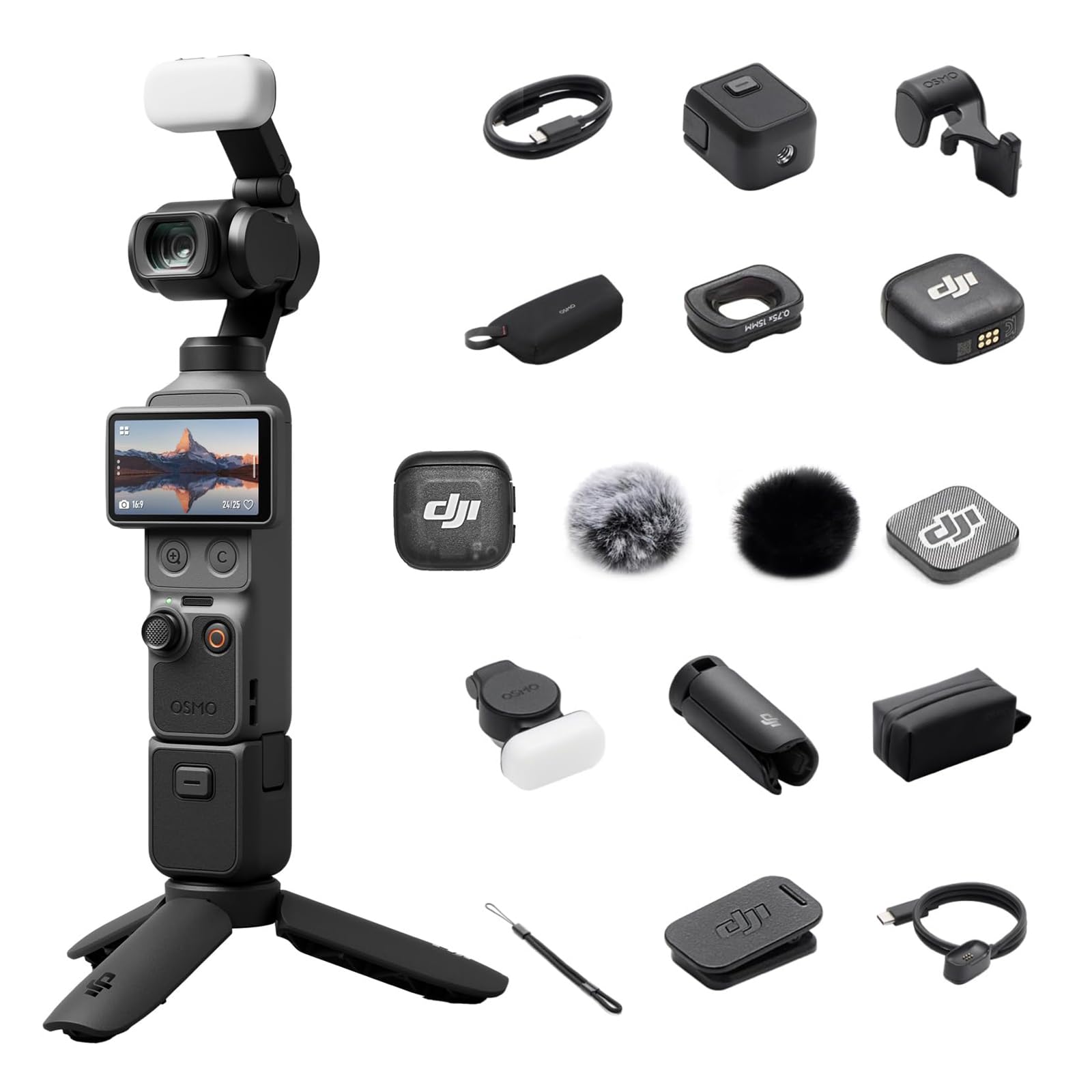
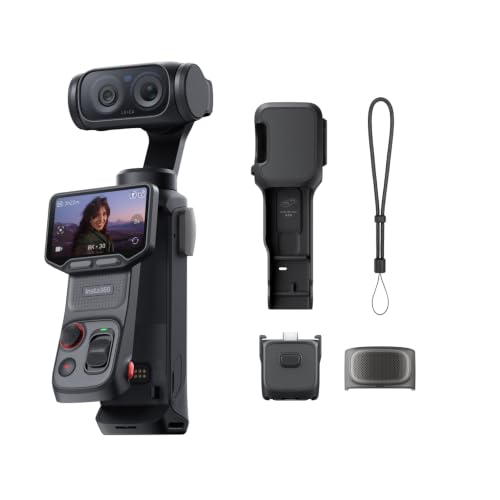
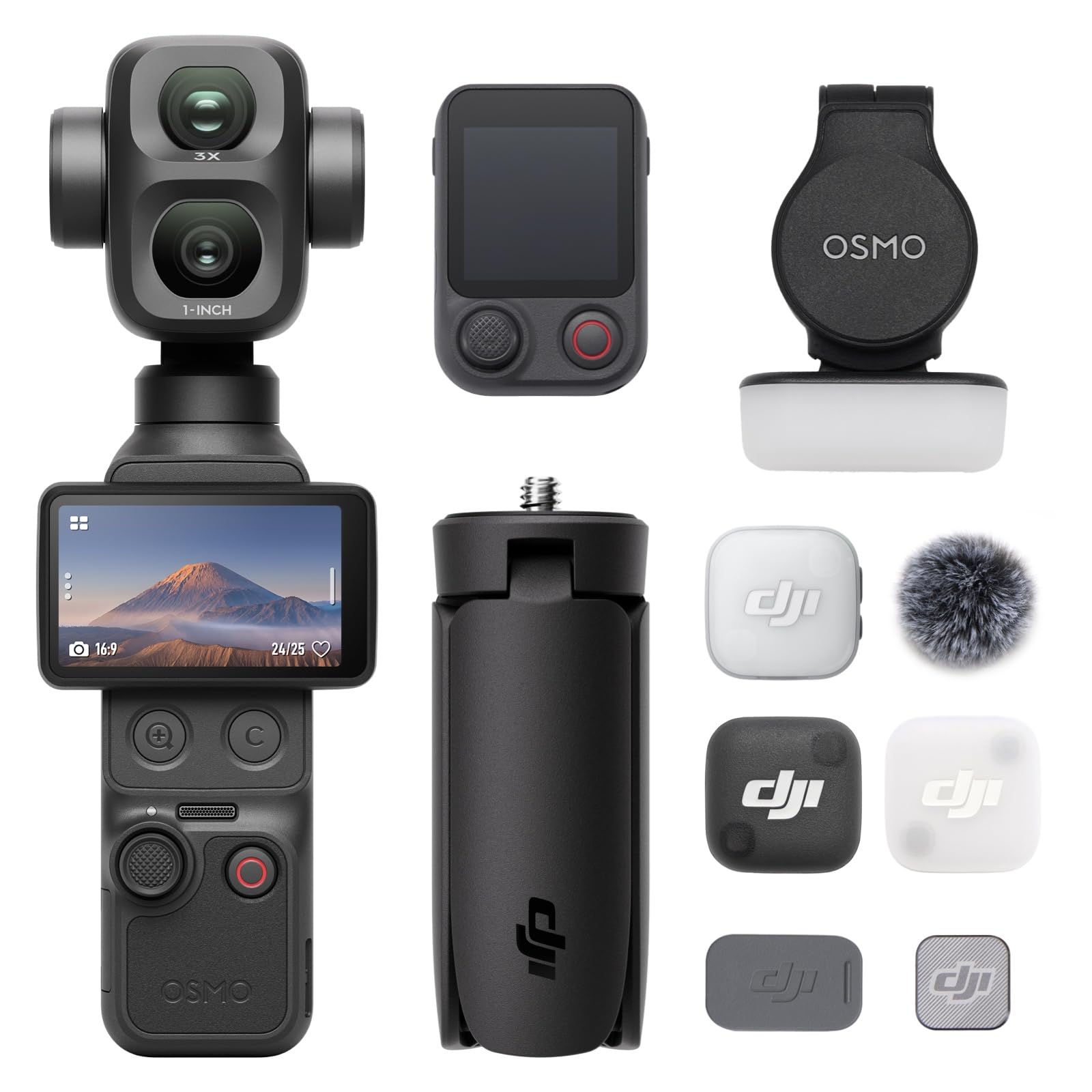
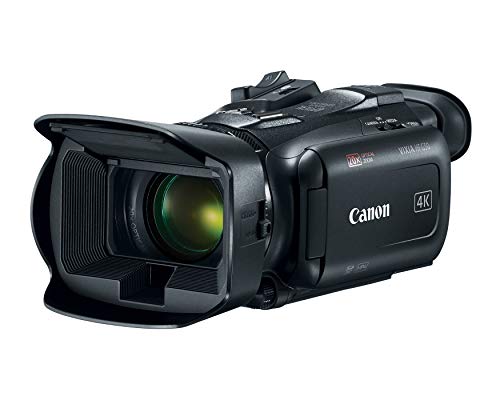
Who Should Buy Which Cameras for Filmmaking?
Start with the work you repeat most weeks. It decides the weight you can carry, the help you have on set and how polished the sound must be.
For Travel Filmmakers Who Shoot on the Move
You film markets, trails, streets and family trips, often without a crew. Choose a compact body with in body image stabilization, reliable eye autofocus and a screen you can turn toward yourself. Weather sealing matters because dust and light rain follow outdoor routes. Pack light lenses, because a small kit is the one you carry daily. Battery swaps should take seconds.
For Narrative Filmmakers Working With Small Crews
You shoot scripted scenes, interviews and short films with planned lighting and repeatable takes. Manual control matters more than speed here, so look for exposure tools, log color, a headphone socket and an HDMI output for a monitor. A larger sensor helps in dim interiors, and interchangeable mounts let rented lenses extend your kit for one production. A heavier body is fine here, since a tripod and crew share the load.
For Online Creators Who Film Alone
You record tutorials, reviews, lessons and vlogs alone at home or in a small studio. A flip screen, face tracking autofocus and a 3.5 mm microphone input matter more than resolution. Look for clean HDMI output or a webcam mode if you stream or teach live. Simple menus and auto exposure keep your attention on presenting, not on settings. A compact body leaves desk space for notes and hands.
Picking a Filmmaking Camera by Experience Level
Experience level changes what counts as value, since a feature that saves a learner can slow an advancing shooter.
Best New Cameras for Filmaking: What to Prioritize
New releases earn their price when a recent gain solves a problem you already feel. Current models mainly improve video autofocus, heat control on long takes and formats that grade more easily. Check that the lens mount matches any lenses you own, because a mount change restarts your kit. Skip a feature when you cannot name the scene it improves.
Best Intermediate Cameras for Filmaking: When to Step Up
Step up when your camera blocks shots you can already picture. Prioritize manual audio levels with a headphone socket, 10 bit log color and a second card slot for backup copies on paid work. These models reward practice, so budget time to learn the menus before a shoot. If photographs remain your main work, see our guide to the best cameras for photography first.
Key Features to Compare
Filming asks more of a camera than still photography does, since the sensor records without pause and sound is captured live. The best cameras for filmaking prove themselves in the six areas below. If still images with clips describe you, see our guide to the best digital cameras and treat video as a bonus feature.
Sensor Size and Clean Footage in Dim Light
Sensor size shapes your footage more than megapixel counts do. A 1 inch sensor suits compact travel cameras, APS C balances size and price for most shooters, and full frame gathers the most light for dim rooms and shallow depth of field. Larger sensors demand larger lenses, so weigh the whole kit. For build and sensor quality across general models, see our guide to the best quality cameras.
Video Resolution, Frame Rates and Log Color
Shoot in 4K when you can, because most platforms and clients now expect it, and 1080p remains fine for online delivery. Higher frame rates such as 60 or 120 frames per second let you slow action smoothly in the edit. Log profiles record flatter color with more room to grade, at the cost of work on every clip. Choose 10 bit recording if you plan heavy color changes.
Autofocus Tracking and Stabilization for Moving Actors
Video autofocus must track a face or subject without hunting, and eye detection helps when people move toward or away from the lens. Test how focus behaves in dim light if you film events or evenings. Image stabilization steadies handheld footage: in body systems help with most lenses, lens based systems suit long zooms, and electronic systems crop the frame slightly. For walking shots, a gimbal beats any built in option.
Audio Inputs, Screens and Monitoring Tools
Dialogue carries most films, so audio tools deserve the same care as the picture. A 3.5 mm microphone input lets you place a microphone near the speaker, and a headphone socket lets you hear hum, wind and clipping while you record. On screen meters help you set levels that peak safely below distortion. A flip screen and a bright display for sunny locations complete a solo setup.
Lenses, Lens Mounts and Optical Zoom
Your lens mount decides which lenses you can buy, rent and borrow for years, so choose the mount before the body. Prime lenses give wide apertures and clean results in dim light, while zoom lenses trade that for framing freedom without moving. Fixed lens cameras and camcorders answer with optical zoom in a light package, which suits travel and events. Whichever route you take, leave money for one lens you love.
Battery Life, Recording Time and Charging
Still photo shot counts tell you little about filming, where the sensor and screen run without pause. Look for video recording time per charge, and expect one to two hours from many mirrorless bodies in real use. USB C charging and power banks extend a location day, and a continuous power adapter suits studio work. Check recording limits and cooling, because a camera that overheats or stops at a set limit can end an interview.
Common Mistakes to Avoid When Buying Filmmaking Cameras
Most regrets come from buying for a spec sheet instead of a shooting day.
- Judging a filmmaking camera by megapixels leaves you with weak autofocus and noisy footage in dim rooms.
- Recording dialogue on a built in microphone across a room makes voices sound distant and hollow.
- Buying the largest sensor and lens kit for travel filming means the camera stays behind in the hotel.
- Skipping recording limit and warranty checks can leave you with a camera that stops during a ceremony and costs full price to repair.
- Spending the budget on the body leaves nothing for a microphone, spare batteries and cards, so the footage and sound suffer.
How to Make Your Filmmaking Camera Last Longer
Clean the front element and screen with a lens cloth, never your shirt, because fabric grit can scratch coatings. Keep a body cap or lens on the camera so dust stays off the sensor. Use a blower for dust, and leave sensor cleaning to a service shop if spots remain.
Carry a spare battery and store the camera in a dry padded bag away from heat and damp. Remove the battery for long storage, back up cards the same day and format them in the camera after the copies are safe. Check straps and tripod plates before trips.
Frequently Asked Questions
What features matter most in a camera used mainly for filmmaking?
Reliable video autofocus, clean low light footage and a microphone input matter most. After those, judge the controls. Buttons you can find without looking away from the scene prevent missed moments, and a menu you understand prevents wrong settings. Borrow or rent a candidate for a weekend shoot, because handling reveals fit faster than a spec list.
What specs matter most for beginners buying a first filmmaking camera?
Beginners should prioritize auto exposure, face detection autofocus and 4K recording at 30 frames per second. Ignore exotic codecs and huge lenses early on. Instead check that accessories fit easily, since a standard tripod thread, common batteries and standard filter sizes keep a first kit cheap to complete. A simple camera gets used daily, and practice improves footage faster than advanced settings.
Is a smartphone enough instead of a dedicated filmmaking camera?
A smartphone is enough for casual clips, social posts and learning framing. It struggles when you need a microphone near a quiet speaker, steady zoom or long recording without interruption. Calls and notifications can break a take, and a full phone stops filming entirely. Many creators start on a phone, add a camera and keep the phone as a second angle or backup recorder.
What is the difference between 4K and 1080p on a filmmaking camera?
4K records about four times as many pixels as 1080p, so fine detail and textures hold up better on large screens. The practical gain for creators is freedom in the edit. You can crop a 4K frame for a closer view, level a horizon or export a vertical version for social platforms. If you never crop and deliver only online, the gap looks smaller.
How much should you spend on a first filmmaking camera?
Most buyers of a first filmmaking camera do well with a body and lens at about $500 to $1,000. Reserve a third of your budget for kit extras, including a microphone, spare battery, cards and a tripod. For a shortlist, see our guide to the best starter cameras. An older body with a better lens often beats a new body with a weak lens.
The Bottom Line
Match the camera to your repeat work. Travel shooters need small kits and stabilization, crews need monitoring and lens choice, and solo creators need screens and sound. Use the product table above to compare recording time, audio inputs and lens mounts.
When those basics line up, the best cameras for filmaking stop being a ranking and become a fit you can feel on your shoot. Choose the simplest kit that records the scenes you imagine, and spend the savings on the filming.

