
Best Cameras for Everyday Use for 2026: Match the Camera to Your Daily Routine
Disclosure: We may earn a commission when you buy through links on this page, at no extra cost to you. As an Amazon Associate I earn from qualifying purchases. Learn more

Find a camera that fits daily life, from pocket friendly size and battery life to low light skill, easy file sharing, and simple controls you will actually use.
An everyday camera earns its place by being with you, ready in seconds, and simple enough to use without thinking about settings. The best cameras for everyday use are not the most powerful cameras on the market, but the ones that fit your bag, your hands, and the moments you actually photograph. Use the comparison table below to weigh the main camera types side by side before you read the details.
Daily shooting covers a wide mix: family meals, walks, school events, trips, pets, and quick clips for friends. That mix rewards a camera that starts fast, focuses on moving subjects, handles mixed indoor light, and moves photos to your phone without a chore. When a camera is easy to carry and easy to share from, you will reach for it far more often than for a larger camera left at home.
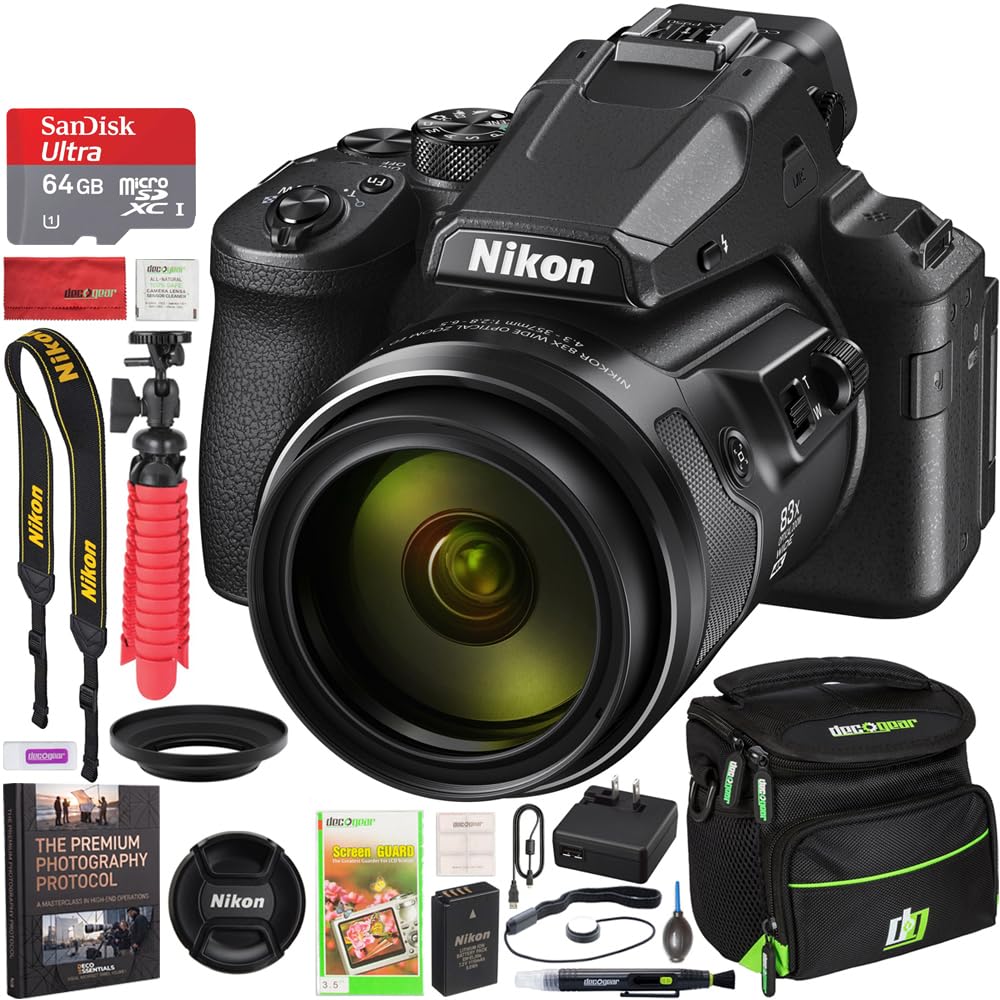


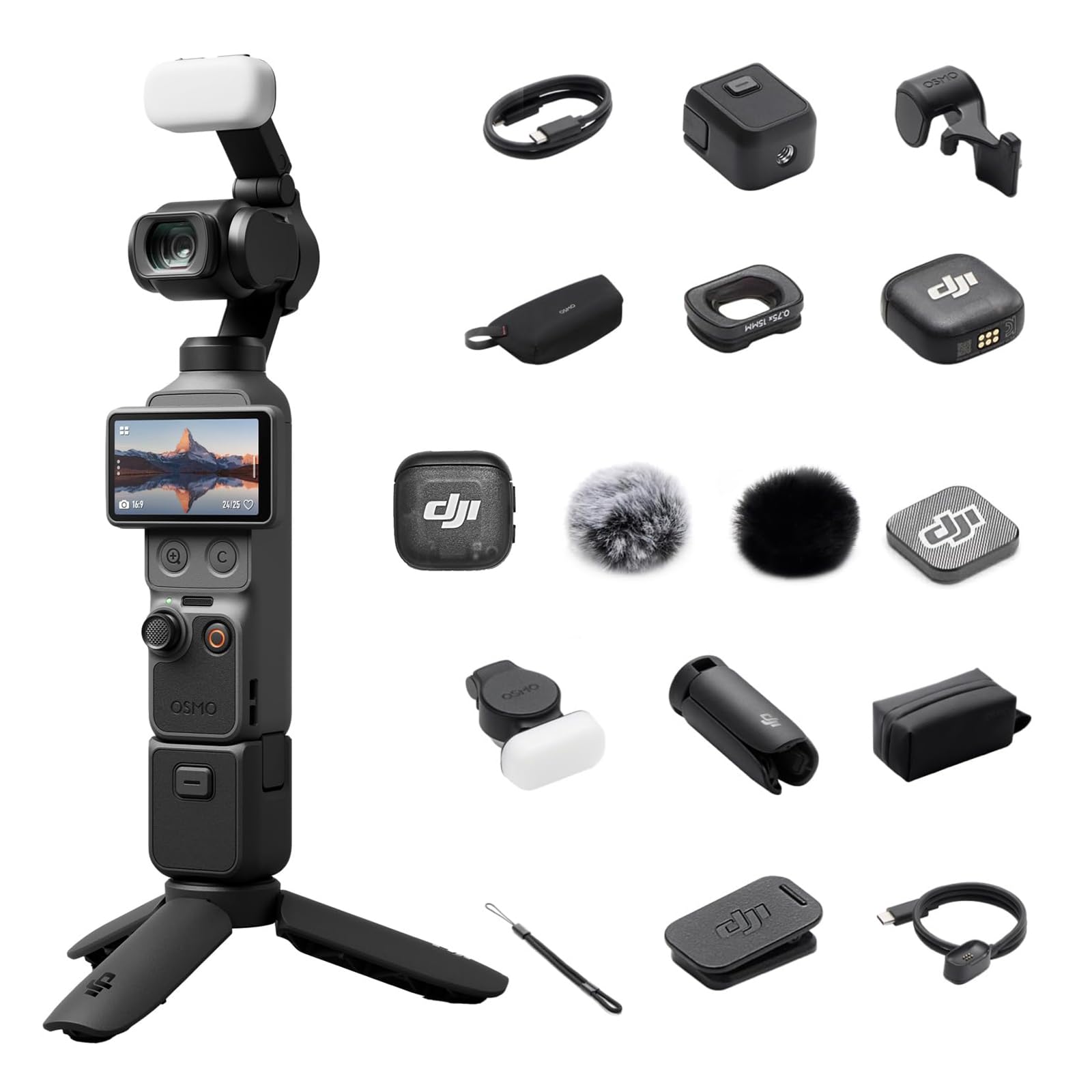
Who Should Buy Which Cameras?
Start with your daily pattern. A camera that suits a commuter may frustrate a parent at a school play, and a camera built for travel may be more than a casual shooter needs.
For Students and Everyday Users
Students and casual shooters need a camera that is affordable, steady in the hand, and cheap to run. Long battery life matters when charging points are scarce, and a simple menu helps when you shoot between classes or errands. A compact body that fits a jacket pocket or a small bag will see far more use than a larger body that stays home. See our guide to best cameras to use for a broader look at easy to handle camera types.
For Remote Workers and Creators
Remote workers and creators often need a camera that doubles for video calls, short clips, and still photos for work. A clear microphone input, a screen that faces forward, and a reliable connection to a computer matter here. The camera should also handle indoor light well, since home offices rarely have studio lighting. Keep the setup simple enough to start in seconds, because a long setup kills the moment you meant to capture.
For Travelers and Commuters
Travelers and commuters need light weight, quick startup, and toughness against bumps and weather. A camera that packs small, survives a crowded bag, and shoots well in changing light will serve a trip better than a heavier camera with more controls. Look for a grip that feels secure with one hand and a battery that lasts a full day of sightseeing. A camera you can carry all day without noticing it is the one you will actually use.
Best Cameras for Specific Needs
Two common search paths deserve their own notes, because they change what to prioritize even when the camera type stays the same.
Best Canon Cameras for Everyday Use: What to Prioritize
When you narrow the search to one maker, judge the range on everyday criteria rather than on brand loyalty. Compare the lens range on offer, color handling in indoor light, battery life per charge, and the warranty and support terms. A maker with a wide range of compact and mid size bodies gives you more room to match size to your bag. Use generic maker criteria only: build quality, lens choice, menu clarity, and service terms, not a named model or a claim that one maker wins for everyone.
Best Cameras for Everyday Use Yahoo: What to Prioritize
Shoppers who arrive through a search engine often compare many listings at once, so the skill that matters is telling a useful listing from a thin one. Check whether the listing states sensor size, battery life, and warranty terms clearly, and whether sample photos show everyday scenes rather than only bright landscapes. Compare prices across sellers, read return terms before ordering, and be wary of listings that promise results no camera can guarantee. A careful comparison of specs and terms beats a quick choice based on one headline claim.
Key Features to Compare
Compare features by how they change daily shooting. A feature that sounds strong on paper may matter little if it slows you down or stays unused.
Video Capabilities
Everyday video means short clips of family, pets, travel, and work, so steady motion and clear sound matter more than the highest resolution. A flip screen helps when you film yourself or shoot from a low angle, and a microphone input helps when wind or room noise competes with voices. Look for focus that tracks a moving subject smoothly rather than hunting back and forth. For most daily use, smooth standard video with clear audio beats a shaky clip at a higher resolution.
Battery Life and Charging
A camera that dies before dinner is a camera that misses the best moments of the day. Check how many shots you can expect per charge in real use, not only in a lab test, and whether the camera charges over USB C from a phone charger or laptop. A spare battery is a simple fix for long days, and it also helps on trips away from power points. Build a habit of charging after each outing so the camera starts every day full.
Sensor Size and Image Quality
A larger sensor usually gathers more light and shows smoother detail in dim rooms, while a smaller sensor keeps the camera compact and affordable. Megapixel count alone does not decide quality, because lens sharpness and light matter just as much. For daily photos, look for clean detail at the sizes you actually share, natural skin tones, and low noise in indoor light. See our guide to best digital cameras when you compare sensor sizes across camera types.
Features That Matter for Everyday Use
Daily shooting rewards fast startup, quick and accurate focus, and controls you can use without looking at a manual. A camera that wakes in a second and locks focus on a moving child or pet will capture moments a slower camera misses. Simple sharing matters too: check how photos move to your phone, whether the app is easy to use, and whether files keep their quality when transferred. Choose a size and weight you will carry every day, because the best daily camera is the one that is actually with you.
Low Light Performance
Low light skill matters for restaurants, living rooms, evening walks, and school halls. A larger sensor and a bright lens help, as does focus that still works when light falls. A steady hand or a small support helps too, since it lets the camera use a slower shutter without blur. Test the camera in a dim room before you buy if you can, and look at noise in shadows rather than only at bright sample photos.
Common Mistakes to Avoid When Buying Cameras
- Judging by price alone, so you pay for zoom or video features your daily routine never uses.
- Ignoring video and sound, then finding your clips shake or voices are lost in background noise.
- Buying a camera that is too large for your bag or too small to hold steady for long outings.
- Skipping the warranty and return terms, then finding a fault after the return window closes.
- Chasing megapixels while ignoring battery life, focus speed, and how easily photos move to your phone.
Tips to Get the Most From Your Camera
Use a lens cloth, not your shirt, because fabric can drag grit across the glass and leave fine marks. Carry a spare battery so a long day never ends early, and store the camera in a dry, padded bag away from dust and damp. Learn three controls well, exposure compensation, focus mode, and white balance, and leave the rest alone until you need them. Review your photos each week, note which settings gave the best results, and repeat that setup until it feels automatic.
Frequently Asked Questions
What features matter most in cameras for everyday use?
Fast startup, reliable focus, and easy sharing matter most, because daily moments do not wait for menus. A camera that wakes quickly, locks onto a moving subject, and sends photos to your phone without fuss will serve you better than a camera with a longer zoom you rarely use. Battery life and a comfortable grip matter too, since a camera that lasts the day and feels good in the hand gets carried everywhere. Add a lens cloth and a spare battery, and test the camera on indoor family scenes before you judge it by bright outdoor samples.
How much should I spend on my first one?
Most first time daily shooters do well at about $200 to $500, with the lower end suiting casual use and the higher end suiting frequent travel or video work. Spend more only when you need a larger sensor for dim rooms, a microphone input for regular video, or weather sealing for outdoor days. Before you stretch the budget, check whether a spare battery and a padded case would improve your daily experience more. A modest camera carried every day beats a costly camera left at home, so size and simplicity deserve as much weight as specs.
What specs matter most for beginners?
Beginners should focus on sensor size in broad terms, battery life per charge, and focus speed on moving subjects. A clear screen, simple automatic settings, and a direct way to move photos to a phone matter more than advanced video formats. Look for a camera that feels comfortable to hold and easy to charge, because a camera that is simple to use gets used every day. Skip features you cannot explain in one sentence, and learn exposure compensation first, since it fixes most everyday lighting problems with one control.
Is a smartphone enough instead?
A recent smartphone can be enough for many daily shooters, especially when light is good and sharing matters most. Phones focus fast, handle color well, and move photos straight to messages and social apps. A dedicated camera earns its place when you want a larger sensor for dim rooms, a real zoom for distant subjects, a microphone input for video, or physical controls for repeated setups. If your phone photos already look sharp and natural, try a small tripod or better indoor light before you buy a separate camera.
What does 8x42 or 10x42 mean?
Those numbers describe binoculars, not cameras, so they do not apply to everyday cameras. The first number is magnification and the second is the size of the front lens in millimeters. For cameras, judge by focal length, close focusing distance, and sensor size instead.
If a guide mentions 8x42 for a camera, treat it as a binocular term that slipped into camera copy. For best single use cameras, the same rule holds: simple fixed lens cameras are judged by ease of use, not by binocular numbers.
The Bottom Line
Match the camera to your daily pattern, not to a spec list. Students need value and battery life, creators need video and sound, and travelers need light weight and toughness. The best cameras for everyday use are the ones that start fast, focus well, share easily, and ride along every day without fuss. Check the product table above once more, then choose the type you will actually carry tomorrow morning.

