
Best Cameras for Estate Agents in 2026: Types Compared and How to Choose
Disclosure: We may earn a commission when you buy through links on this page, at no extra cost to you. As an Amazon Associate I earn from qualifying purchases. Learn more

Compare cameras for estate agents by type, with clear guidance on wide lenses, low light detail, video tours, autofocus and listing budgets.
Property photos sell the viewing before a buyer steps inside, yet many listings are shot in a rush. The best cameras for estate agents make small rooms look honest and bright, handle dark hallways without harsh flash, and stay simple to use alone. Use the comparison table below to judge each type.
Think about your week first. You may shoot three flats in one morning, film a walkthrough, and upload files from your car. Lens width, low light quality and battery life matter more than exotic settings you will never open.

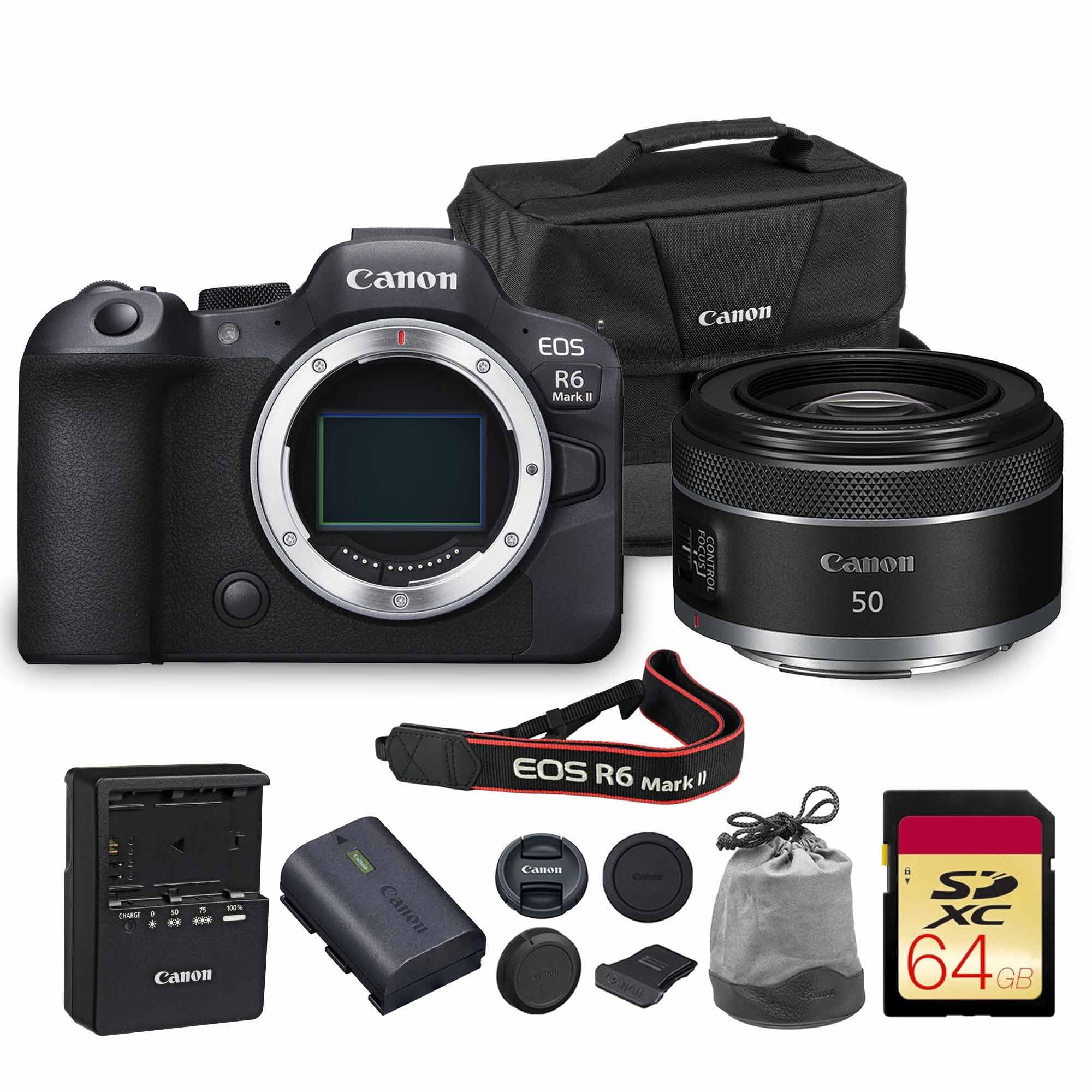


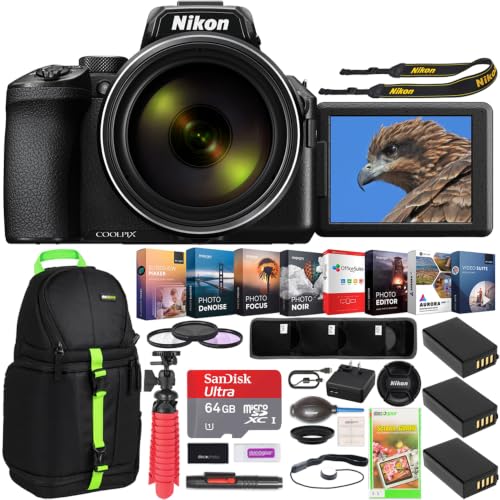
Who Should Buy Which Camera Type for Property Work
Start with the listings you handle most, because that pattern decides which type earns its place.
Solo Agents Shooting Stills Between Appointments
You often have twenty minutes in a home, no helper, and a vendor waiting. Choose a light mirrorless or advanced compact camera that starts fast, focuses without hunting, and sends photos to your phone over WiFi. A missed shot costs more than a small gain in quality.
Agents Who Film Walkthrough Tours Every Day
You move from room to room while talking, so shaky footage and muffled sound can undo good stills. Choose strong image stabilization, a screen that flips toward you, and a microphone socket for clearer voice. Continuous autofocus that stays calm on doors and windows keeps tours easy to watch.
Teams and Luxury Listings That Need Larger Files
You shoot homes where buyers zoom in on finishes and expect brochures to look sharp. Choose a full frame mirrorless camera with a quality wide zoom and room to crop. Your workflow likely includes a tripod and careful editing. The extra cost makes sense only when the team will use the added control.
Types of Cameras Compared for Listing Work
Three types cover almost every agent, and each trades size, control and price differently. Read them as tools for rooms, not as a ladder where the priciest type wins.
Mirrorless Cameras With Changeable Lenses
Mirrorless cameras take changeable lenses, so one body can pair with a wide zoom for interiors and a standard zoom outside. They offer large sensors, strong autofocus and good 4K video in a body smaller than most DSLR models. Kits cost about $900 to $2,500 with a lens. Choose this type for one system that can grow with you.
Compacts That Keep Viewings Moving Fast
Compact cameras keep the lens built in, which makes them light and fast to carry between viewings. Better models use a 1 inch sensor and an optical zoom that covers wide rooms and detail shots without swapping gear. They cost about $400 to $900 and suit agents who value speed over deep control. Check the wide end, because a narrow start crops small bathrooms badly.
DSLR Cameras for Agents Who Already Own Lenses
DSLR cameras use an optical viewfinder and a mirror inside the body, and many agents still own lenses that fit them. They deliver excellent stills and long battery life, and used bodies can lower entry cost to about $500 to $1,200. The trade off is size, weight and slower video autofocus. Choose one only when you already own wide lenses.
Key Features to Compare
Compare features in the order rooms demand them, starting with the lens and the light. When you shop for the best cameras for estate agents, a clean wide image of a small room beats a long feature list.
Wide Angle Lens and Honest Room Coverage
The lens decides how much of a room fits in one frame and how natural it looks. A zoom starting at about 16 to 24 mm in full frame terms lets you stand in a doorway and include both side walls. Going much wider can stretch furniture and make rooms look larger than they are, which can mislead buyers. Favour a wide zoom, because frontage can be shot from farther back.
Sensor Size for Dim Interiors and Bright Flats
Sensor size shapes detail and noise when light is poor. A 1 inch sensor handles bright flats well, while APS C and full frame sensors keep shadows cleaner in basements and north facing rooms. Megapixels help cropping, but sensor size and lens quality matter more for clean walls. If you shoot many dim homes, step up in sensor size before paying for resolution.
Bracketing and Dynamic Range for Bright Windows
Rooms often pair a dark corner with a sunlit window, and one exposure rarely holds both. Exposure bracketing takes frames at different brightness levels so you or your editor can blend them into one balanced image. Good dynamic range keeps curtain detail instead of leaving windows as white blocks. Look for auto bracketing that is easy to set. This feature can lift ordinary rooms more than a costlier body.
Autofocus and Image Stabilization for Handheld Interiors
Autofocus should lock quickly on walls and furniture in soft indoor light without searching. Touch focus on the rear screen helps when you hold the camera high in a corner or low for a garden shot. Image stabilization steadies the lens or sensor so slower shutter speeds indoors still keep edges sharp. Stabilization does not freeze moving people, so add light when pets move through a room.
Video Quality for Walkthrough Tours
Clean 4K video gives room to crop and still share a sharp file, while good 1080p footage is enough for most portals and social posts. A flip screen lets you check framing as you walk, and a microphone input improves voice clarity in echoing empty rooms. Look for stabilization that works while walking and autofocus that shifts gently. Steady clips edit faster and look calmer.
Size, Weight and Battery Life on a Full Listing Day
A camera you leave at the office takes no photos, so weight shapes results. A compact under about 1 pound disappears into a small bag, while a mirrorless kit often weighs about 2 to 3 pounds. Check shots per charge against your busiest day, and budget for a spare battery. Fast WiFi transfer matters too, because sending a hero shot from the driveway starts marketing sooner.
Common Mistakes to Avoid
Most weak listing photos come from repeat errors, not from an old camera.
- Using the widest lens setting in every room makes furniture stretch and leaves buyers feeling misled at the viewing.
- Shooting at chest height in all rooms hides floor space and makes ceilings feel low and heavy.
- Relying on harsh direct flash flattens wood and fabric and creates bright hot spots on walls and glass.
- Skipping a spare battery and card ends a shoot early and delays the listing going live that day.
- Leaving mirrors and windows uncleaned before shooting shows smears clearly and forces slow retouching later.
Care and Maintenance for Cameras Used on Listings
Clean the lens with a soft lens cloth, not your shirt, because grit can scratch the coating. Blow dust off first, then wipe gently. Swap in a charged spare battery before a large home. After rain, dry the body before you change a lens.
Store the camera in a dry padded bag with the lens cap on, and back up files the same day. For broader subjects, see our guide to the best cameras for photography and our guide to the best digital cameras. For closer property alternatives, see our guide to the best cameras for real estate and our guide to the best cameras for real estate photography.
FAQ
What features matter most in a camera for estate agent listing photos?
A wide lens, bracketing and fast WiFi transfer matter most for listing photos. Start with those three, then check low light quality in a hallway. One extra is a silent shutter for occupied homes, because it lets you work without distracting vendors or tenants. Quiet operation also helps in a nursery in use.
What specs matter most for an estate agent buying a first camera?
For a first camera, lens range and easy auto modes matter more than top resolution. Choose a model you can run on auto bracketing within a week. Add a tripod and learn to level the camera before buying a second lens. A routine for brightness and straight vertical lines improves results more than megapixels.
Which camera type handles low light interiors best for estate agents?
Full frame mirrorless cameras handle low light interiors best because their larger sensors gather cleaner detail at higher sensitivity. APS C models come close in most living rooms and cost less. Brace the camera against a door frame when light drops. That habit can save a shot in a basement flat where a tripod will not fit.
What lens focal length works best for small rooms in property photos?
About 16 to 24 mm in full frame terms works best for most small rooms. Stand in the doorway or a corner and keep the camera level so walls stay straight. For a tiny bathroom, step back and shoot through the doorway rather than forcing an extreme wide view. That keeps tiles and mirrors looking natural.
How much should an estate agent spend on a first listing camera?
Most agents should plan about $500 to $1,200 for a first listing camera plus a basic wide lens or capable compact. Spend near the lower end if you list a few homes a month. Spend more only when tours or premium listings will use the quality. Keep budget for a tripod and a spare battery.
Is a smartphone enough for estate agent listing photos?
A current smartphone can be enough for small rental listings and quick social updates. Its limits show in dark rooms, bright windows and printed brochures, where a dedicated camera holds detail better. It also struggles to keep bracketing consistent across a full set. Many agents add a camera later for the main portal photos.
The Bottom Line
Match the camera to your routine first. Solo agents need speed and simple transfer, daily video creators need steady footage and clear sound, and premium teams can justify larger sensors. Lens width, bracketing and low light quality decide more photos than other specs, so use the product table above to compare on those terms.
When you choose best cameras for estate agents with those needs in front of you, the decision becomes practical. Buy the lightest kit that makes rooms look bright and honest, and spend saved time on staging and uploads.

