
Best Cameras for Equine Photography: Types Compared and How to Choose for 2026
Disclosure: We may earn a commission when you buy through links on this page, at no extra cost to you. As an Amazon Associate I earn from qualifying purchases. Learn more

Compare the best cameras for equine photography by type, focus speed, lens reach, and price to choose a setup for barns, shows, and open fields.
Choosing the best cameras for equine photography starts with your usual distance from the horse, because that one choice shapes almost every other decision. You may shoot a jumping round from outside the arena fence, a quiet portrait in the barn aisle, or a foal racing across a pasture at dusk. Each scene asks for different reach, focus speed, and light gathering power. This guide compares camera types in plain terms so you can match the tool to your real work.
The comparison table below gives you a fast overview of each type, its strengths, and its typical price range. Read it first, then use the sections that follow to understand the trade offs behind the short notes. If your subjects go well beyond horses, see our guide to the best cameras for photography for the wider picture. Here the focus stays on horses and show grounds.


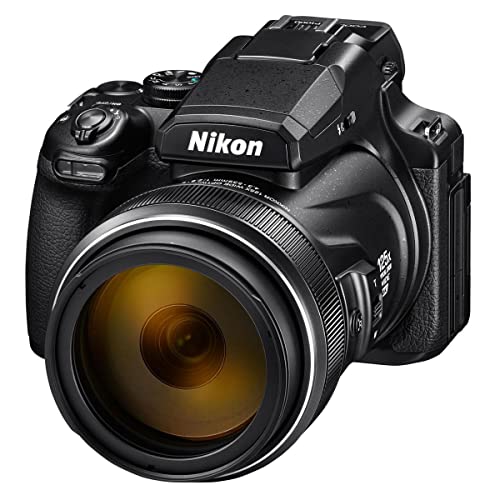


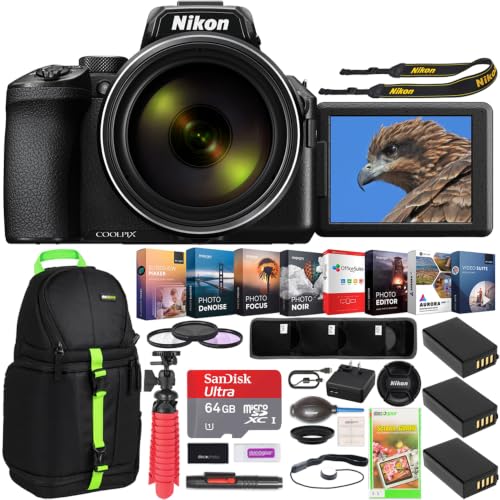
Types of Cameras Compared
Three routes cover most needs, and they solve different problems. Interchangeable lens cameras give you reach and control through separate lenses. Compact cameras with a fixed lens trade some control for simplicity and lower cost. Viewing tools such as binoculars help you watch and plan but record nothing at all. A modest body with the right lens often beats a costly body with a short lens.
Film still has a small place here for slow, posed portraits where you enjoy the process more than the pace. A film body cannot track a galloping horse, and each frame costs money, so it suits planned sessions rather than show coverage. If that craft appeals to you, see our guide to the best film photography cameras.
Full Size Binoculars
Full size binoculars are viewing tools with two barrels, a large objective lens at the front, and magnification most often written as 8x42 or 10x42. The first number tells you how much closer the horse appears, and the second gives the objective lens width in millimeters. A wide objective lens gathers more light, which helps at dawn feeding time or in a covered arena.
Their strength is instant, clear viewing with both eyes, so you can study movement, watch a distant class, or scout a cross country course before you shoot. Their limit is absolute for photography, because they capture no image at all. Treat the magnification as fixed, since binoculars do not offer the optical zoom that a camera lens provides. Choose them as a watching companion, and pair them with a real camera when you need pictures.
Mirrorless Cameras
Mirrorless cameras are the main choice for serious horse work because they pair interchangeable lenses with fast, intelligent focusing. Light passes through the lens straight onto the sensor, and an electronic viewfinder shows the exposure before you press the shutter. Modern autofocus can lock onto a horse eye and hold it while the horse moves toward you. Add strong image stabilization in many bodies and lenses, and you get sharp frames at slower shutter speeds in dim barns.
Reach comes from the lens, so a telephoto in the 70 to 200 mm range or longer covers most arena and pasture work. Costs rise quickly once you add that lens, and battery life trails older DSLR designs. For a wider view of current models and formats, see our guide to the best digital cameras. Choose mirrorless when action, low light, and room to grow matter most to you.
Vlogging Cameras
Vlogging cameras are compact models built first for video, with a flip screen, strong image stabilization, and clean 4K video for stable tours, lesson recaps, and sponsor updates. Many use a 1 inch sensor and a fixed lens with a modest optical zoom, so they travel light and start fast. You can grab stills as well, though the controls favor recording. Their microphones and face tracking suit a rider who talks to the camera between classes.
The fixed lens sets the ceiling, because you cannot swap to a longer lens when the action moves to the far end of the arena. Small sensors also struggle more after sunset than larger ones do. Choose this type when video for social channels is your main goal and stills play a supporting role.
Full Size Binoculars vs Mirrorless Cameras: Which Should You Choose?
Put side by side, the two tools answer different questions. Binoculars answer where the horse is and how it moves, while a mirrorless camera answers how to keep that moment forever. Binoculars cost less, need no cards or charging, and work the instant you raise them. A mirrorless body costs more and asks more of you, yet it returns files you can print, share, and sell.
If you only watch rounds or follow wildlife between rides, binoculars alone may be enough. If you need portraits for sales listings, show memories, or client work, the camera is the only real option here. The product table above sums up the cost and strength of each route in one place.
How to Choose the Right Camera
When you compare the best cameras for equine photography side by side, start with your most common scene rather than your dream one. A camera that fits weekly lessons and local shows will get used far more than a pro setup that feels heavy. If you are building your first kit from zero, see our guide to the best cameras for starter photography for the basics that apply across subjects.
Ease of Use for Your Skill Level
Good equine work leaves little time to dig through menus, so clear auto modes matter more than long feature lists. Look for an animal detection mode, a simple dial for shutter speed, and a screen you can read in bright sun. WiFi transfer to your phone helps you share a sales photo the same day. If menus still feel new, see our guide to the best beginning photography cameras for models that teach as you go.
A quiet electronic shutter helps around nervous horses, since a loud click can lift a head or break a calm moment. Practice your core settings at home first, so your hands know them before a real class starts.
Features That Matter for Equine Photography
Horses move in sudden bursts, change direction, and cross from sun into shade in seconds, so tracking autofocus leads this list. You want focus that finds the eye or head and stays there while the horse closes distance. A burst rate near 10 frames per second or higher gives you choices at fences and in gallop. Pair that with shutter speeds up to 1/4000 second to freeze a flying mane and tail on bright days.
Lens reach shapes your framing from outside the fence, where safety and show rules keep you back. A telephoto zoom that reaches 200 mm or 300 mm covers most arenas, and a wide aperture near f/2.8 or f/4 gathers light indoors. Image stabilization in the lens or body steadies your hands during long classes. Spend on the lens before the body when you must choose, because reach and glass quality show in every frame.
Durability and Weather Sealing
Barns and show grounds punish gear with dust, kicked sand, sudden rain, and cold mornings. Weather sealing on the body and lens keeps fine dust and light rain out, though it never makes a camera safe to soak. For binoculars, look for sealed tubes filled with nitrogen, often called fogproof, so the inside glass stays clear when you step from a warm truck into cold air. A sturdy strap and a lens hood also guard against bumps at the rail.
Check that dials still turn with gloves on, since winter schooling rarely waits for bare hands. A grippy body also helps when your hands are dusty or damp from handling tack.
Sensor Size and Image Quality
Sensor size shapes low light results and the soft look behind a portrait subject. A 1 inch sensor suits compact cameras and travel, APS C balances cost and quality for most riders, and full frame gathers the most light for indoor arenas. More megapixels add cropping room but do not fix weak light or missed focus. Judge a system by its lenses and focus speed first, and treat pixel count as a minor factor.
Care and Maintenance Tips
Dust is the daily enemy, so clean the front glass with a proper lens cloth and a blower, never your shirt, which can drag grit across the coating. Carry a spare battery and a second card, because cold mornings drain power fast and a full card ends a session early. Store the camera in a dry, padded bag away from feed rooms and their humidity. Wipe the body down after each show day.
For binoculars, cap the objective lens openings when you set them down, and clean them with the same gentle cloth. If focus wheels grind or a lens shows spots inside the glass, send the tool for service rather than opening it yourself.
FAQs
What features matter most in cameras for equine photography?
Tracking autofocus and lens reach matter most, because they decide whether a moving horse stays sharp from a safe distance. Burst depth follows close behind for jumping and gallop work. One point many buyers miss is card speed, since a slow card can stall a long burst right at the best stride. Pick fast cards that match the burst rate of your body.
Which camera type is better for low light equine photography?
A mirrorless camera with a large sensor is better for low light equine photography than compact or viewing tools. Its sensor gathers more light, so indoor arenas and dusk pastures stay cleaner at high sensitivity settings. Binoculars can look bright to your eye but record nothing. For still portraits in a dark aisle, a fast prime lens adds another clear gain that zooms cannot match.
What camera specs matter most for beginners in equine photography?
Beginners in equine photography should weigh animal detection autofocus, a simple control layout, and total kit weight above raw pixel counts. A light kit matters on long show days when you carry gear from ring to ring. Start with one versatile zoom and learn its limits before buying a second lens. That slower path teaches framing and timing, which improve pictures more than an early upgrade would.
Is a smartphone enough for equine photography instead of a dedicated camera?
A smartphone is enough for calm, close horses in good light and for quick shares with friends. It falls short once you stand outside a fence, because its digital zoom crops the image and detail fades fast. Phones also lag between press and capture, which costs you the peak of a jump. Keep the phone for snapshots, and choose a dedicated camera when distance decides the shot.
What do 8x42 and 10x42 mean on full size binoculars for horse events?
On full size binoculars, 8x42 means the horse looks eight times closer through a 42 mm objective lens, while 10x42 brings it ten times closer. The useful difference is the view width, since 8x shows a wider scene that is easier to hold steady while following a round. The 10x view feels closer but magnifies hand shake, so many spectators prefer 8x for moving horses.
How much should you spend on your first camera for equine photography?
Plan on about $800 to $1500 for a first kit with a body and a telephoto zoom, and set part of it aside for the lens. Good binoculars for watching cost far less, often under $200, but they add no camera at all. Spending more mainly buys low light strength and faster focus, so grow in stages as your subjects demand it.
Final Thoughts
Start with the scene you shoot most, then let reach, focus speed, and light guide the rest. Mirrorless systems lead for action and growth, compact video models suit riders who publish clips, and binoculars remain a fine watching companion. Compare your finalists in the product table above, weigh the lens as heavily as the body, and choose the best cameras for equine photography setup that you will carry to the barn every single week.

