
Best Cameras for Ebay Photos: A First Time Buyer's Guide for 2026
Disclosure: We may earn a commission when you buy through links on this page, at no extra cost to you. As an Amazon Associate I earn from qualifying purchases. Learn more

A first time buyer guide to cameras for ebay photos, covering sharp detail, true color, close focus, lighting and easy transfer so listings look trustworthy.
Listing photos do a job that casual snapshots do not: they must show an item honestly, clearly, and at a size where a buyer can judge its condition. Best cameras for ebay photos are the types that capture sharp detail, true color, and close focus without demanding expert skills. This guide explains the basics in plain language so a first time buyer can choose with confidence.
The comparison table below shows the main camera types side by side. Read the plain English spec sections first, then use the mistakes and setup sections to avoid the most common beginner errors.


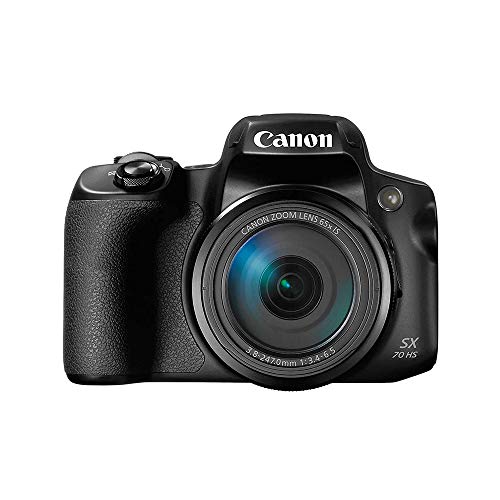


Cameras 101: The Basics
A camera records light through a lens onto a sensor, and the sensor turns that light into a digital file. For listing photos, three results matter: the item looks sharp, its colors look true, and small flaws or marks are visible rather than hidden by blur. You do not need professional skills to get those results, but you do need to understand a few terms, because sellers often overpay for features that do not help listings at all.
Think of a listing camera as a work tool, not a creative hobby purchase. A phone can work for simple items, but a dedicated camera gives you better close focus, more control over light, and steadier results when you shoot many items in a row. The sections below translate each spec into what it means for a photo of a jacket, a phone, a watch, or a set of dishes. Our guide to best photo cameras covers still focused types in more depth.
Key Specs Explained in Plain English
Each spec below is explained by what it changes in a listing photo and what range a first time buyer should look for. Skip any spec that does not change how your item looks on screen. Sellers who also list on the marketplace itself can check our guide to best cameras for ebay for a related comparison.
Features That Matter for Ebay Photos
Listing photos need sharp detail at close range, accurate color, and even light across the whole item. Close focus distance matters most for small items like jewelry, coins, and phone parts, because a camera that cannot focus close will blur the very detail buyers want to see. Color accuracy matters because a buyer who receives a different shade may return the item. A flip screen helps when you shoot from low angles, and a tripod mount keeps repeated shots consistent.
Sensor Size and Image Quality
The sensor is the part that records light, and a larger sensor usually captures cleaner images with less grain. For listings, a one inch sensor is a useful step up from a tiny sensor, while larger formats add cost without much visible gain for web sized photos. Megapixels are not everything: a moderate count with good light beats a huge count in a dim room.
Judge cameras by sample photos of everyday objects, not by the biggest number on the box. Our guide to best digital cameras compares sensor sizes across common types.
Lens and Zoom Range
Optical zoom uses the lens itself to bring an item closer, while digital zoom crops the image and loses detail, so prefer optical zoom for listings. A short zoom that covers wide shots of a room sized item down to close shots of a small object is ideal for most sellers. Note that magnification figures like 8x42 belong to binoculars, not cameras, and they do not describe a camera lens at all. For cameras, look at focal length and minimum focus distance instead.
Size, Weight, and Ergonomics
You may shoot dozens of items in one session, so a camera that tires your hand will slow you down and blur shots. A comfortable grip, buttons you can reach without looking, and a weight you can hold steady for several minutes all matter. Compact cameras suit sellers who shoot at a table and store the camera between sessions. Larger cameras suit sellers who shoot bulky items or work in a studio corner, where size is less of a burden.
Video Capabilities
Video is optional for most listings, but a short clip can show that an item powers on, moves, or opens as described. Look for steady video and a microphone that records clear sound without hiss, rather than chasing the highest resolution. A flip screen helps you frame yourself or the item when filming alone. If you never plan to add video to a listing, do not pay extra for advanced video features that you will not use.
Battery Life and Charging
A listing session can run long, and a dead battery in the middle breaks your light setup and your rhythm. Check how many shots you get per charge and whether the camera charges over USB C, which lets you top up from a laptop or a power bank. A spare battery is a cheap safeguard for busy sellers. Keep batteries charged before a session and store them at room temperature for the best life.
Rookie Mistakes to Avoid
- Shooting in a dim room and hoping editing will fix it, which leaves grain and dull color that buyers notice at once.
- Using digital zoom for close detail, which softens the very flaw or mark a buyer needs to judge.
- Skipping a plain background, which lets clutter distract from the item and makes the listing look careless.
- Posting only one angle, which hides the back, the base, and any wear a careful buyer will ask about.
- Forgetting to clean the lens, which puts a soft haze over every photo in the session.
Getting Started: Setup and First Use
Start by choosing one spot with steady light, such as near a large window on a cloudy day or under two matching lamps. Place the item on a plain background, set the camera on a tripod or a stable surface, and frame the item with a little space around it. Take a test shot, check it at full size on a screen, and adjust the light or the distance until edges look sharp and colors look true.
Use a lens cloth, not your shirt, to clean the lens before you begin, because fabric can leave smears that soften every shot. Carry a spare battery so a long session does not stop halfway through. Shoot each item from the front, the back, the sides, and any close detail that shows condition, then review the set before you move on. This routine takes a few extra minutes and saves far more time than reshooting later.
Frequently Asked Questions
What features matter most in cameras for ebay photos?
Close focus, sharp detail, true color, and steady handling matter most for listing photos. A camera that focuses close shows small marks clearly, while accurate color reduces returns from buyers who expected a different shade. A tripod mount and a flip screen help you repeat the same framing for many items.
Resolution matters less than light and focus, because web listings rarely need huge files. Choose a camera whose strengths match the size and type of items you sell most.
Which is better for low light, a compact camera or a larger sensor camera?
A larger sensor camera usually handles low light better, producing cleaner images with less grain. Compact cameras are easier to store and carry, and they work well when you add good light, which every seller should do anyway. For listings, adding a lamp or shooting near a window often matters more than sensor size.
If you shoot in dim rooms often and cannot add light, the larger sensor is worth it. Otherwise, a compact camera with good lighting gives excellent results.
Is a smartphone enough instead of a dedicated camera for ebay photos?
A smartphone is enough for many simple listings, especially larger items shot in good light. Its limits appear with small items, where close focus and detail matter, and with long sessions, where a dedicated camera stays steadier and easier to control. Dedicated cameras also offer tripod mounts and manual settings that keep repeated shots consistent.
If you sell occasionally, a phone may satisfy you. If you sell often or sell small items, a dedicated camera saves time and improves trust.
How much should I spend on my first camera for ebay photos?
Most first time sellers do well at about $150 to $400, where compact cameras offer good close focus and color for listings. Spending more buys larger sensors and better low light performance, which helps if you shoot in dim rooms or sell small, detailed items. Do not spend extra on advanced video or huge resolution that listings do not need. Put any saved money toward lighting and a tripod, which improve photos more than a pricier camera body alone.
What specs matter most for beginners shooting ebay photos?
Beginners should prioritize minimum focus distance, reliable autofocus, simple automatic modes, and a tripod mount. These features keep photos sharp and consistent while you learn, without demanding manual adjustments for every item. Color accuracy and a clear screen for checking detail matter next.
Skip deep manual controls at first and favor a camera whose menus you can navigate quickly. As you sell more, manual exposure and lens options become more valuable.
The Bottom Line
Good listing photos come from sharp focus, true color, and steady light, not from the most expensive camera on the shelf. Match the camera type to the items you sell, add a tripod and decent lighting, and build a routine of multiple angles plus close detail shots. Check the product table above once more, then choose the type you will actually use for every session. Best cameras for ebay photos are the ones that make honest, clear listings easy to repeat day after day.

