
Best Cameras for Ebay: Types Compared and How to Choose for 2026
Disclosure: We may earn a commission when you buy through links on this page, at no extra cost to you. As an Amazon Associate I earn from qualifying purchases. Learn more

Which of the best cameras for ebay fits your items? Types compared on close focus, color accuracy, video and daily handling.
Selling on eBay puts unusual demands on a camera. Your photos must show condition honestly, capture small details clearly, and make an item look appealing without hiding flaws. Choosing the best cameras for ebay is less about travel or family photos and more about sharp close range detail, accurate color, and a fast path from shot to live listing. Sellers who get those basics right tend to field fewer buyer questions and see fewer returns.
The trouble is that cameras come in very different types, and each type suits a different kind of seller. Action models, vlogging models, compacts, and interchangeable lens models all promise great images, yet they differ a lot in lens choice, video strength, and daily handling. This guide compares those types side by side and helps you match a style to the items you sell. Start with the comparison table below.

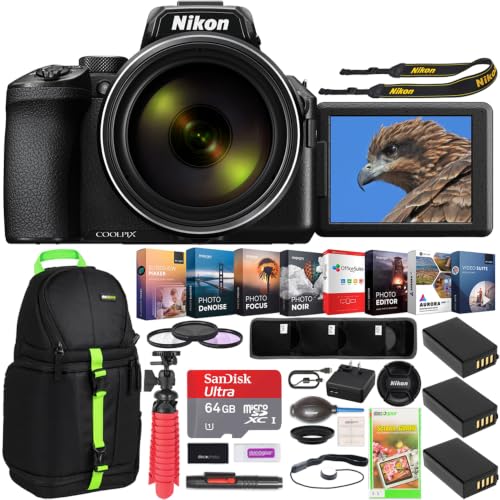


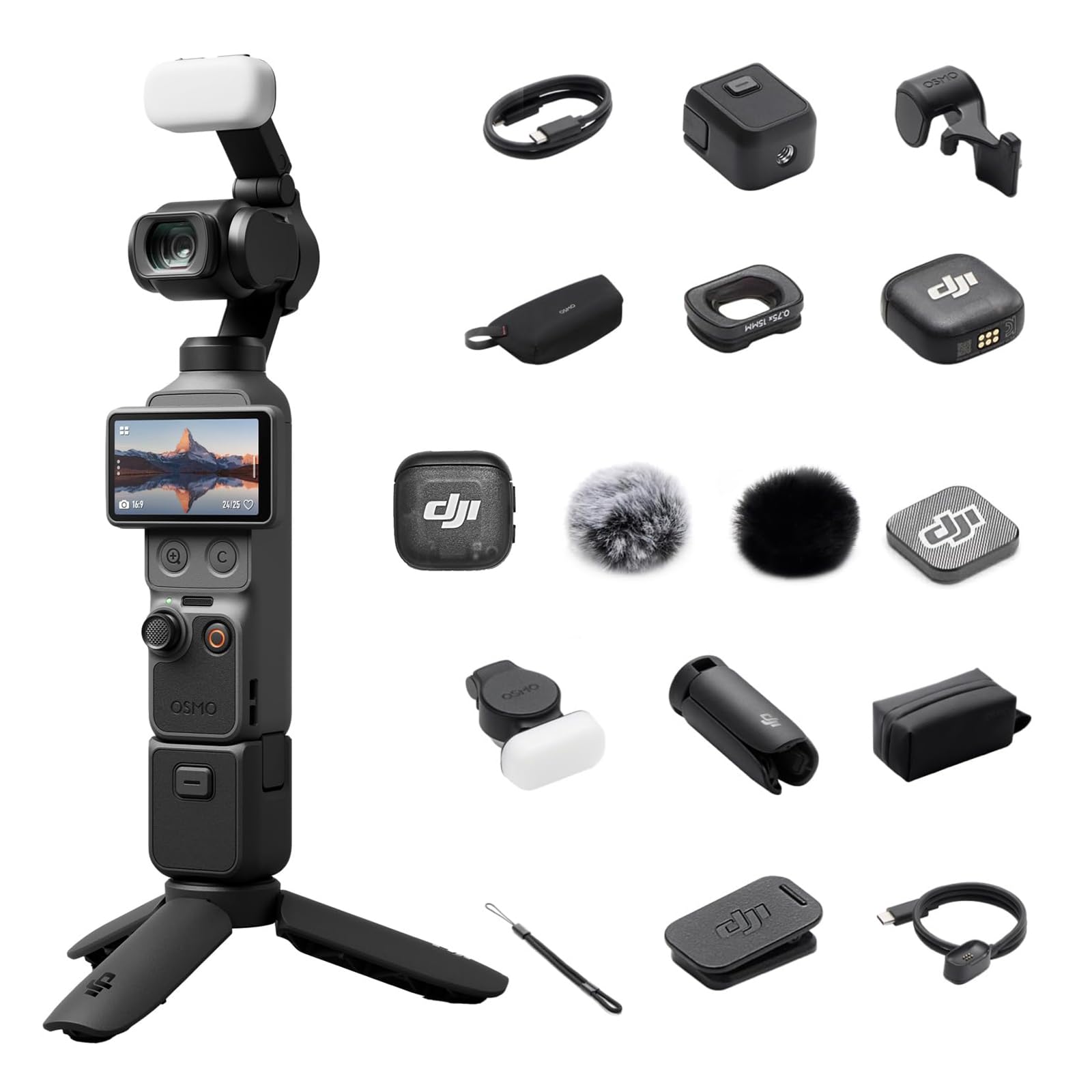
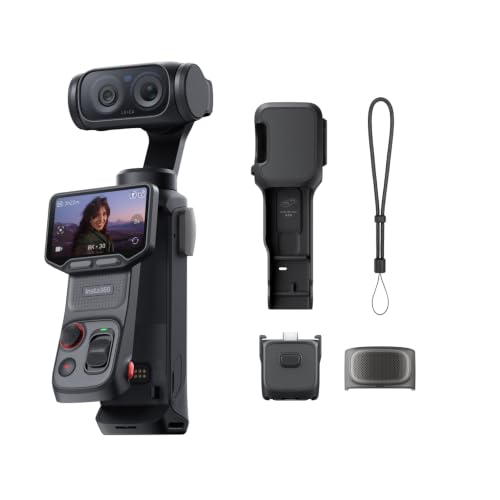

Types of Cameras Compared
No single type wins for every seller, because eBay shops sell very different things. A coin dealer needs close focus above all else, a clothing seller needs true color and quick batch shooting, and a seller of outdoor gear may need video of products working outside. The four types below cover the realistic options, with their strengths and limits.
Action Cameras
Action cameras are small, rugged cameras built around a very wide lens and strong video. Most record 4K video, use image stabilization to smooth handheld movement, and shrug off rain, dust, and drops that would worry other cameras. For eBay, that mix shines when an item needs to be shown working, such as a power tool running or a bike part moving through its range.
The limits show up in still photos. The fixed wide lens bends straight edges near the frame corners, the small sensor struggles in dim rooms, and the tiny rear screen makes careful focus checks hard. Choose this type when motion demos sell your items and stills play a supporting role.
Vlogging Cameras
Vlogging cameras are built for people who film themselves, so they pair strong video with a screen that flips toward the lens. You can frame yourself next to a large item, talk through its features, and check the shot without walking back to the camera. Reliable autofocus and a socket for an external microphone make recorded walkthroughs clear and easy to follow.
For listings, this type suits sellers who add a short video to most posts, such as furniture walkarounds or collectible unboxing clips. Stills are good, though controls favor video work, and long 4K recordings can overheat some models and pause mid take.
Point and Shoot Compacts
Point and shoot compacts are the simplest step up from a phone. You turn one on, frame the item, and press the shutter, while the camera handles focus and exposure. Better models add a 1 inch sensor, useful optical zoom for framing without moving your stool, and a macro mode that focuses close enough for jewelry, coins, and stamps.
Weak spots include slower autofocus, limited manual control, and smaller sensors than interchangeable lens models. Prices stay friendly, often under $400, which fits casual and part time sellers well. For a wider view of the formats available, see our guide to the best digital cameras before you decide.
Mirrorless and DSLR Cameras
Mirrorless and DSLR cameras use interchangeable lenses and the largest sensors in this guide, so they record the finest detail and the most accurate color. For high value goods such as watches, bags, and electronics, that clarity helps buyers judge condition. A dedicated macro lens can fill the frame with a hallmark or a serial number.
The trade offs are cost, size, and a real learning curve. A body with one good lens often runs about $500, with fuller kits reaching about $1,500, and the settings reward practice. Choose this type when your average sale price is high or your items reward close inspection.
Action Cameras vs Vlogging Cameras: Which Should You Choose?
These two types overlap on video, so compare them on the details that change daily use. An action camera sees a much wider view, which suits cramped workshops but makes a single product look small in the frame. A vlogging camera uses a narrower lens that flatters products and people, and its flip screen and microphone socket produce clearer explanations.
Stills widen the gap further. Vlogging models take cleaner indoor photos thanks to larger sensors and brighter lenses, while action models rely on video frames and wide shots. Durability flips the result, since action bodies are weatherproof and survive drops, while vlogging bodies need gentler handling.
The product table above groups these trade offs by type, so you can match them against your own listings. In short, pick the action type for rugged outdoor demos and the vlogging type for indoor walkthroughs where your voice helps sell the item.
How to Choose the Right Camera
Features That Matter for eBay Listings
Start with close focusing ability, listed as the minimum focus distance, because many items need detail shots of labels and wear. Optical zoom in the range of about 3 to 10 times lets you tighten framing without moving lights or the product. Image stabilization steadies handheld video and helps in dim rooms, while a manual white balance lock keeps colors consistent across a whole batch.
Fast transfer matters more than many sellers expect, since photos that sit on a card cannot sell anything. Built in WiFi or a quick card reader shortens the path to your listing draft. If still images are your main concern, see our guide to the best cameras for ebay pictures for photo focused setups.
Ease of Use for Your Skill Level
Match the controls to your experience, not your ambitions. Beginners do best with reliable auto modes, clear menus, and a simple touchscreen. Sellers shooting many similar items should look for custom settings memory, which recalls your exposure, white balance, and focus choices so every batch starts in the same place.
App support also shapes your day. A good companion app moves photos to your phone, releases the shutter from across the room, and previews framing for large items. Avoid models whose menus bury basic settings, because small delays multiply across dozens of listings.
Durability and Weather Sealing
Many eBay photos are taken where the items live, in garages, workshops, yards, and storage units. A weatherproof body with sealed seams resists dust and light rain during those shoots, and a tough shell survives knocks off a workbench. Sellers who photograph patio furniture or car parts outside gain the most from real weather sealing.
Check what the sealing claim actually covers, since splash resistance counts only when the lens and port covers are fitted correctly. Temperature matters too, because moving a cold camera into a warm room can fog the lens. Let the camera adjust inside its bag for a few minutes before you start shooting.
Low Light Performance
Most listing photos are made indoors under mixed household lighting, so low light ability shapes your results every week. A larger sensor, a bright lens, and stabilization keep images clean at higher ISO settings, where smaller sensors turn detail into grain. Clean detail matters when buyers zoom in to check stitching, print quality, or surface wear.
Be wary of flash as the fix, because direct flash bounces off glossy packaging, screens, and varnished wood and can hide the very flaws you want to show. If image quality is your top priority across all conditions, see our guide to the best quality cameras for models chosen with that goal first.
Sensor Size and Image Quality
Sensor size describes the physical area that gathers light, and the common steps are 1 inch, APS C, and full frame. Bigger sensors collect more light per pixel, which means cleaner shadows, smoother color, and more freedom to crop detail shots. Megapixel counts alone tell you little, since many small pixels can perform worse than fewer large ones.
For eBay, even a 1 inch sensor is plenty for most listings, because buyers view photos on phones and laptops rather than as large prints. Step up to APS C or full frame when you sell costly items or crop heavily. If you also plan to grow beyond listings, see our guide to the best cameras for photography for the broader picture.
Care and Maintenance Tips
Good care keeps image quality steady and protects resale value. Wipe the objective lens with a clean lens cloth rather than your shirt, since fabric can drag grit across the glass. Keep a spare battery charged so a flat battery never ends a batch halfway, and store the camera in a dry, padded bag.
Clean dust from the body with a soft brush, and use a blower near the sensor only if you feel confident, since a touched sensor is costly to fix. Store memory cards in a case, format them in the camera after each upload, and keep firmware current through the maker app. A camera treated this way holds its value and image quality for years.
Frequently Asked Questions
Common questions from new sellers, answered briefly.
What features matter most in a camera for eBay product photos?
Close focus, accurate color, and steady handling matter most, because buyers judge condition from detail shots. Look for a lens that focuses within a few inches, a white balance you can lock, and stabilization. One extra tool helps: a remote shutter release through the camera app prevents the small shake that softens tripod shots of small items.
Is a smartphone enough instead of a camera for eBay listings?
Yes, a recent smartphone is enough for many casual sellers, especially for large items shot in good light. Its limits appear with small goods, dim rooms, and true macro detail, where a dedicated camera pulls ahead. If you stay with a phone, lock exposure and white balance in its pro mode so a batch of photos keeps one consistent look.
Which camera type handles low light best for eBay product photos?
Mirrorless cameras with APS C or full frame sensors handle low light best, thanks to larger pixels and bright interchangeable lenses. Compacts with 1 inch sensors come next, while action cameras trail in dim rooms. Before you raise the ISO, add light instead: a simple daylight LED panel placed to one side reveals texture and flaws better than a brighter setting alone.
What camera specs matter most for eBay sellers who are beginners?
Beginners should value autofocus reliability, a clear rear screen, and simple auto modes over raw megapixel counts. A macro mode that focuses close without extra lenses removes early frustration with small items. Also check the shots per charge rating in the spec list, because a camera that fades mid batch slows your listing routine more than a modest sensor ever will.
What does optical zoom mean on a camera for eBay listings?
Optical zoom means the lens itself changes focal length, so you can move from a full item view to a tight detail shot without losing sharpness. A rating such as 10 times compares the long end with the wide end. Digital zoom is different: it only crops the image, so detail drops quickly and condition flaws can blur.
How much should you spend on your first camera for eBay selling?
Most new sellers do well spending about $300, which covers a strong compact, while an entry level interchangeable lens body bought used may run about $500. Casual sellers listing a few items a month can start under $200 and upgrade once sales justify it. Set aside part of the budget for a tripod and plain background paper, since steady support improves photos more than a small spec jump does.
The Bottom Line
The right choice comes down to your items and your habits. Match the type to what you sell, favor sensor size and lens quality over headline megapixels, and pick controls you can run quickly. When you compare the product table above with those priorities in mind, the best cameras for ebay for your shop become easy to spot, since the right one shows condition clearly and keeps your workflow moving.


