
Best Cameras for Dog Photography Made Simple: A Clear Buying Guide for 2026
Disclosure: We may earn a commission when you buy through links on this page, at no extra cost to you. As an Amazon Associate I earn from qualifying purchases. Learn more

Compare the best cameras for dog photography by focus tracking, burst rate, sensor size and weather sealing, with plain specs and honest price bands.
Dogs rarely sit still for a portrait, and that single fact shapes every camera choice in this guide. The best cameras for dog photography are the ones that lock focus on a moving animal, fire a fast burst, and keep working in dim rooms and muddy fields. This guide explains the terms in plain English first, then walks through the specs that matter, so a first time buyer can choose with confidence.
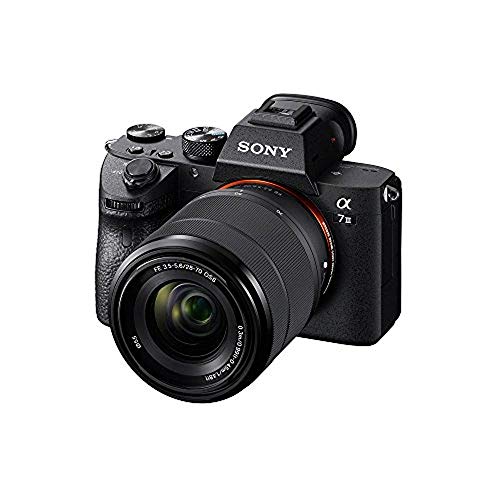
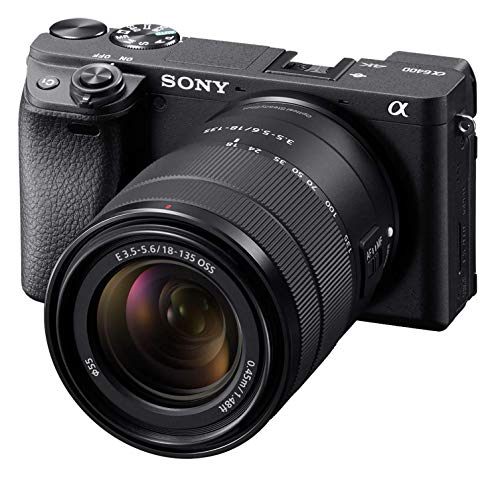
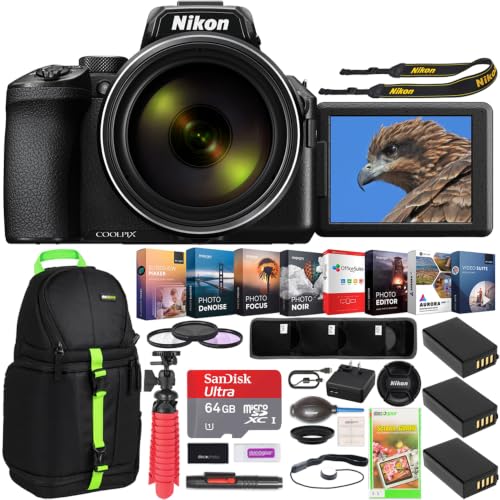
You do not need the most expensive body or the longest lens to get sharp, joyful dog photos. You need focus that tracks, a shutter that fires in quick bursts, and controls you can learn without a manual glued to your hand. The comparison table below lines up the main camera classes side by side so the trade offs are easy to see.




Cameras 101: The Basics
A camera records light through a lens onto a sensor, and three settings decide how each frame looks: aperture, shutter speed, and ISO. Aperture controls how much light the lens admits and how blurred the background becomes. Shutter speed decides whether a running dog freezes or streaks, and ISO raises sensitivity when light runs short. Every camera class in this guide, from compact to mirrorless to DSLR, balances those three settings in its own way.
Two nearby topics are different product classes, so they sit outside this guide. Guides to best dog cameras cover pet monitoring cameras that watch a dog at home while you are out, which is a home monitoring class and not a photography tool. This article stays with cameras you hold in your hands and aim at a subject in front of you.
Key Specs Explained in Plain English
Features That Matter for Dog Photography
A dog is a motion subject, so read every spec sheet in that order. Focus tracking and burst speed outrank resolution here, because a tack sharp frame of a dog mid stride beats a huge blurred file every time. Look for continuous autofocus that follows a subject across the frame and a burst rate around 8 to 20 frames per second, and plan on shutter speeds of 1/1000 of a second or faster for running dogs. The wider guide to best cameras for photography covers general stills work, while dog work adds this motion test on top.
Sensor Size and Image Quality
Sensor classes run from small 1 inch compacts through APS C to full frame, and bigger sensors gather more light per frame. That light advantage shows up as cleaner files in dim rooms and softer background blur behind your dog. Megapixels alone say little, since a modest count on a large sensor often beats a huge count on a tiny one. For most first time buyers, APS C is the balanced class, with portable bodies and lenses that stay reasonably light.
Film bodies sit in a different medium class entirely, so guides to best film photography cameras answer a different question, with no burst mode and no autofocus tracking to lean on.
Durability and Weather Sealing
Dog photography happens in wet grass, beach spray, and the occasional shake off right next to the lens. Weather sealing means gaskets at the body seams and dials that keep drizzle and dust out, though no stills camera class is built for full submersion. A sealed body paired with a sealed lens is the honest pairing, since one unsealed part lets water in. If you shoot in all weather, budget for sealing; if you shoot mostly indoors, that money buys a better lens instead.
Autofocus and Stabilization
Autofocus classes split into single point, zone, and subject tracking modes, and the tracking modes earn their price here. Animal eye detection is a focus feature class that makers advertise heavily, so read it as a class feature rather than a promise: it helps when the dog faces the camera, and it can lose the eye when the head turns or fur covers it. Stabilization in the body or lens steadies your hands, which matters at longer focal lengths, but it cannot freeze a moving dog. Only shutter speed does that.
Size, Weight, and Ergonomics
You will carry this camera on walks, hikes, and park sessions, often with a leash in the other hand. Compact and light mirrorless classes ride easily in a jacket pocket or small sling, while large DSLR classes tire the wrist on long outings. Grip shape matters more than spec sheets suggest, since a deep grip stays secure when a strong dog pulls mid shot. The product table above lists guide weights for each class, and holding a shortlisted class in a store, gloves on if you shoot in winter, tells you more than any chart.
Low Light Performance
Indoor dogs are a low light problem, because homes and training halls offer weak light while the subject keeps moving. Wide aperture lenses, meaning low f numbers like f/1.8 or f/2.8, admit more light and let you hold the fast shutter speeds action needs. High ISO ranges help, but every sensor class gets noisier as ISO climbs, so a fast lens usually beats a sky high ISO setting. Judge low light classes by lens aperture first and sensor size second.
Rookie Mistakes to Avoid
Most first time regrets come from a short list of avoidable errors.
- Chasing megapixels while ignoring autofocus, so the sharpest files are the ones where the dog happened to sit still.
- Pairing a strong body with a slow kit lens, so indoor action blurs no matter how capable the sensor is.
- Ignoring buffer depth, so the burst stalls right when the dog reaches the ball.
- Forgetting memory cards, a spare battery, and a wrist strap when setting the first budget.
- Standing too far back and cropping later, instead of choosing a longer lens class for park work.
Getting Started: Setup and First Use
Charge the battery fully, format the memory card in the camera, and set the date before your first session. Turn on continuous autofocus and the widest tracking zone, raise the burst mode to its fastest setting, and practice on a dog walking toward you before trying full speed runs. Clean the lens with a cloth made for glass, never your shirt, and carry that spare battery in a warm pocket. New shooters comparing starter classes can also read our guide to best beginning photography cameras for the wider basics.
Shoot short practice sessions at first, then review the misses at home. Note which shutter speeds kept ears and eyes sharp, and step the speed up a notch next time the keeper rate disappoints you.
Cameras: Your Questions Answered
What features matter most in cameras for dog photography?
Focus tracking, burst speed, and shutter speed matter most, in that order. A tracking system that holds a running dog, a burst that lasts more than a few frames, and speeds at or above 1/1000 of a second decide most keepers. One setting worth learning early is the drive mode: high speed continuous shooting fills the buffer fast, while a medium burst with JPEG files often runs longer before it slows.
What specs matter most for beginners buying a camera for dog photography?
Beginners should weight autofocus modes, sensor class, and the kit lens aperture above everything else. An APS C body with a simple shutter priority mode teaches the core skill fast, because you set the speed and the camera balances the rest. A tilting rear screen also helps more than expected, since dog level angles mean shooting low without lying in the mud. Skip deep menu systems you will never open.
Which camera class handles low light dog photos indoors best?
A mirrorless or DSLR body paired with a fast prime lens handles indoor dogs best. Prime lenses are the budget route to f/1.8, often costing less than a brighter zoom while gathering far more light. Before spending, though, improve the light you have: open curtains, switch on every lamp, and shoot near windows. An extra stop of room light is free, and it helps any camera class you already own.
How much should I spend on my first camera for dog photography?
A sensible first budget is about $350 to $600 for a used body or an entry compact with a real burst mode. Stepping up to about $600 to $1,100 buys a new APS C kit with stronger tracking and a deeper buffer. Split the money with the lens in mind from day one, because a mid priced body with a fast lens outperforms a flagship body behind a slow kit zoom in dim rooms.
Is a smartphone enough for dog photography, or do I need a camera?
A smartphone is enough for still portraits in good light, and many owners start there happily. It falls behind when the dog moves: the shutter reacts a touch late, the burst thins out quickly, and the zoom is mostly digital cropping. A dedicated camera earns its place the first time you shoot a recall at full speed across a field. Treat the phone as a fine teacher and the camera as the upgrade when motion becomes the subject.
Does a camera for dog photography need weather sealing?
Weather sealing is worth having if your dog work happens in rain, snow, or surf spray every week. For occasional drizzle, a simple rain cover or even a plastic sleeve over the body does the same job for a few dollars. Whatever class you choose, dry the camera slowly indoors after a wet session and leave the lens off for a while, since trapped moisture fogs elements from the inside.
Final Thoughts
Start with the motion test: tracking focus, a deep burst buffer, and shutter speeds fast enough to freeze a stride. Add a sensor and lens pairing that handles your light, and the rest is practice. The product table above shows how the classes compare on price and key features, and for most new buyers the best cameras for dog photography are simply the ones whose autofocus keeps up with the dog in front of them. If you are still narrowing the field, our guide to best cameras for starter photography is a good next read.


