
Best Cameras for Construction Sites: A Buyer Checklist for 2026
Disclosure: We may earn a commission when you buy through links on this page, at no extra cost to you. As an Amazon Associate I earn from qualifying purchases. Learn more

Use this buyer checklist for construction site cameras: weather sealing, power, signal, storage and time lapse, plus red flags and price bands.
A construction site is one of the hardest places a camera can work: dust, rain, vibration and long weeks without power or internet. This checklist approach breaks the choice into the criteria that actually decide success, so you can judge any model against your site rather than against marketing claims. The best cameras for construction sites are the ones still recording, clearly, on the worst week of the project.
A site camera is a specialist tool built to live outdoors for months, which is why it follows different rules from the best digital cameras designed for everyday shooting. Work through the criteria below, compare the finalists in the comparison table below, and you will know exactly what your money buys.
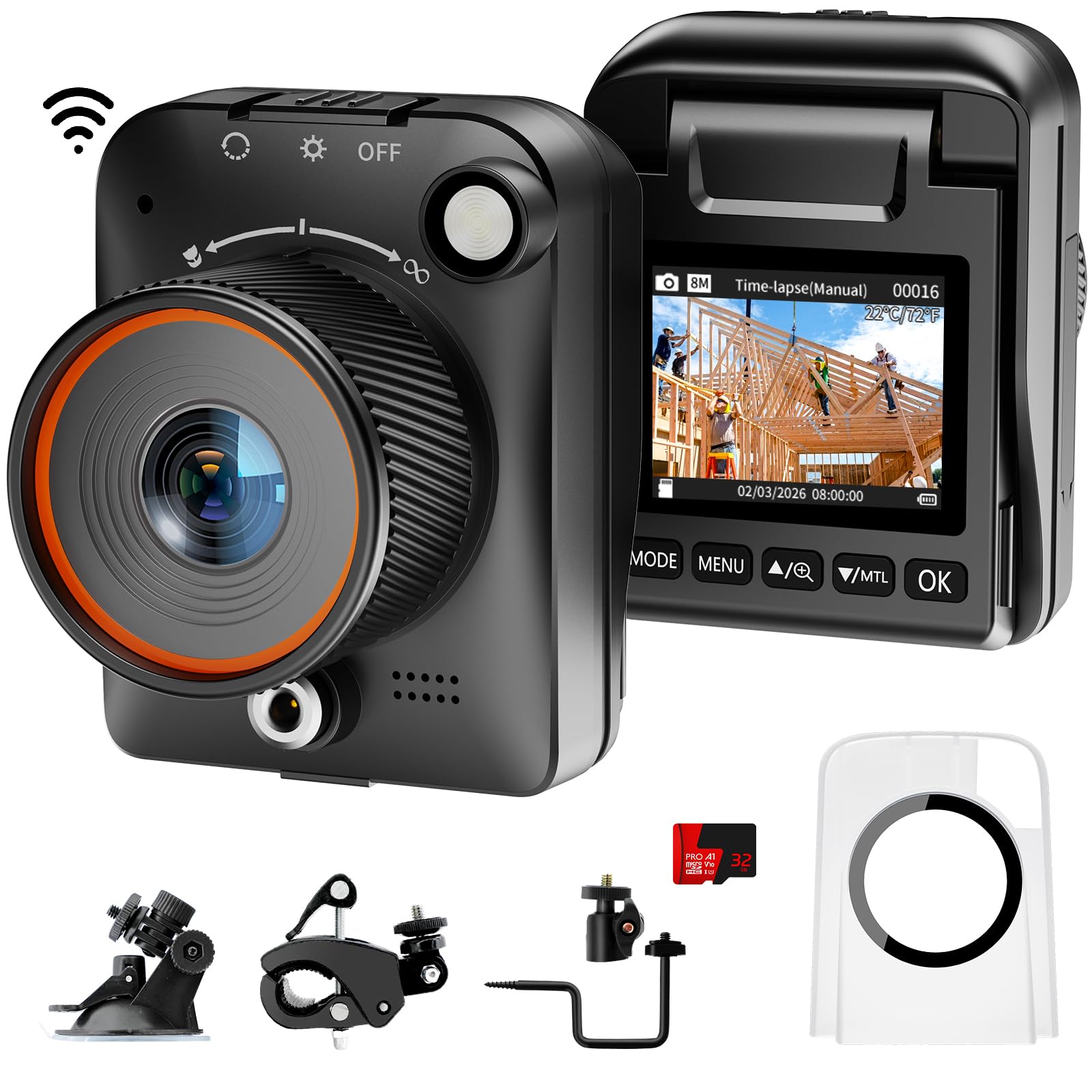
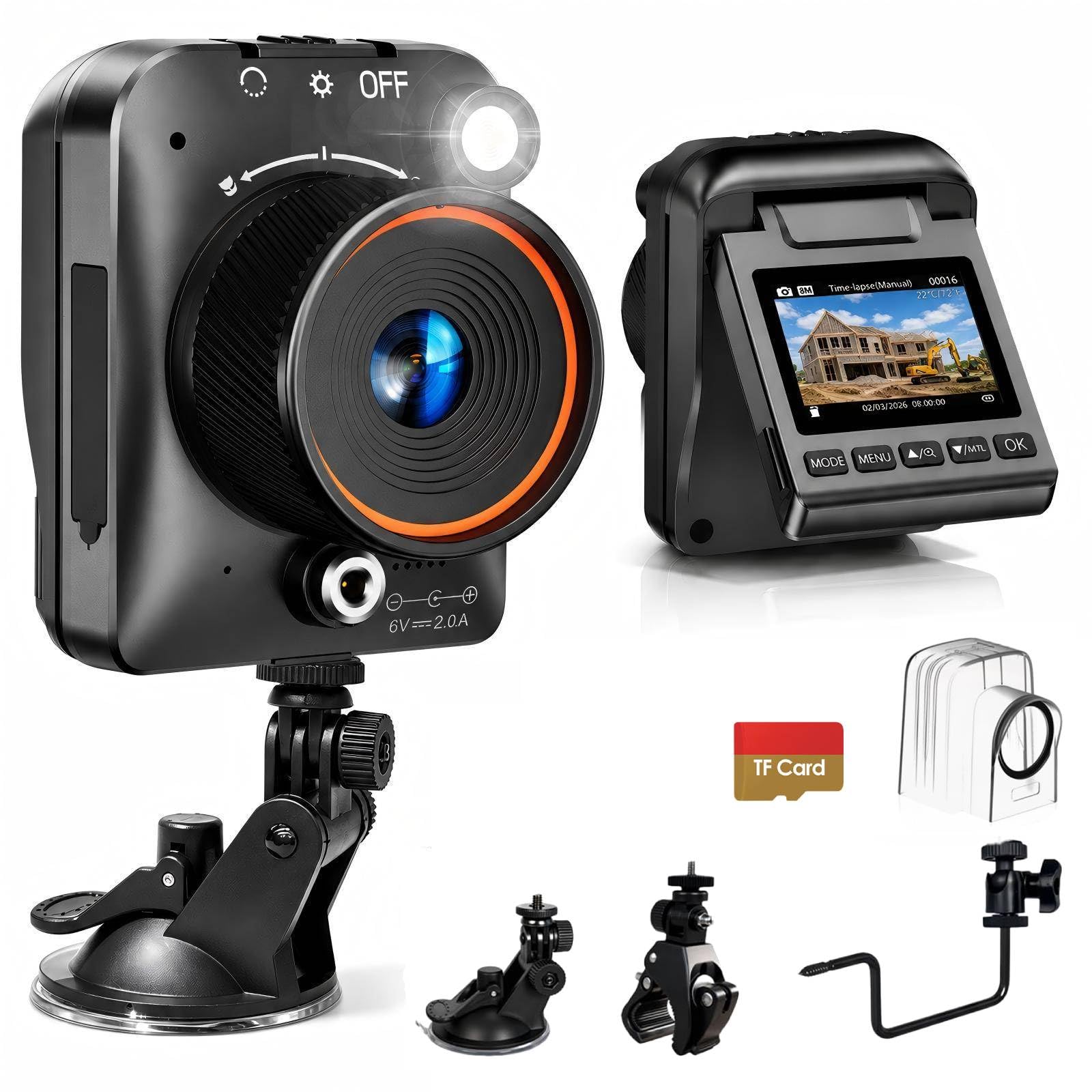
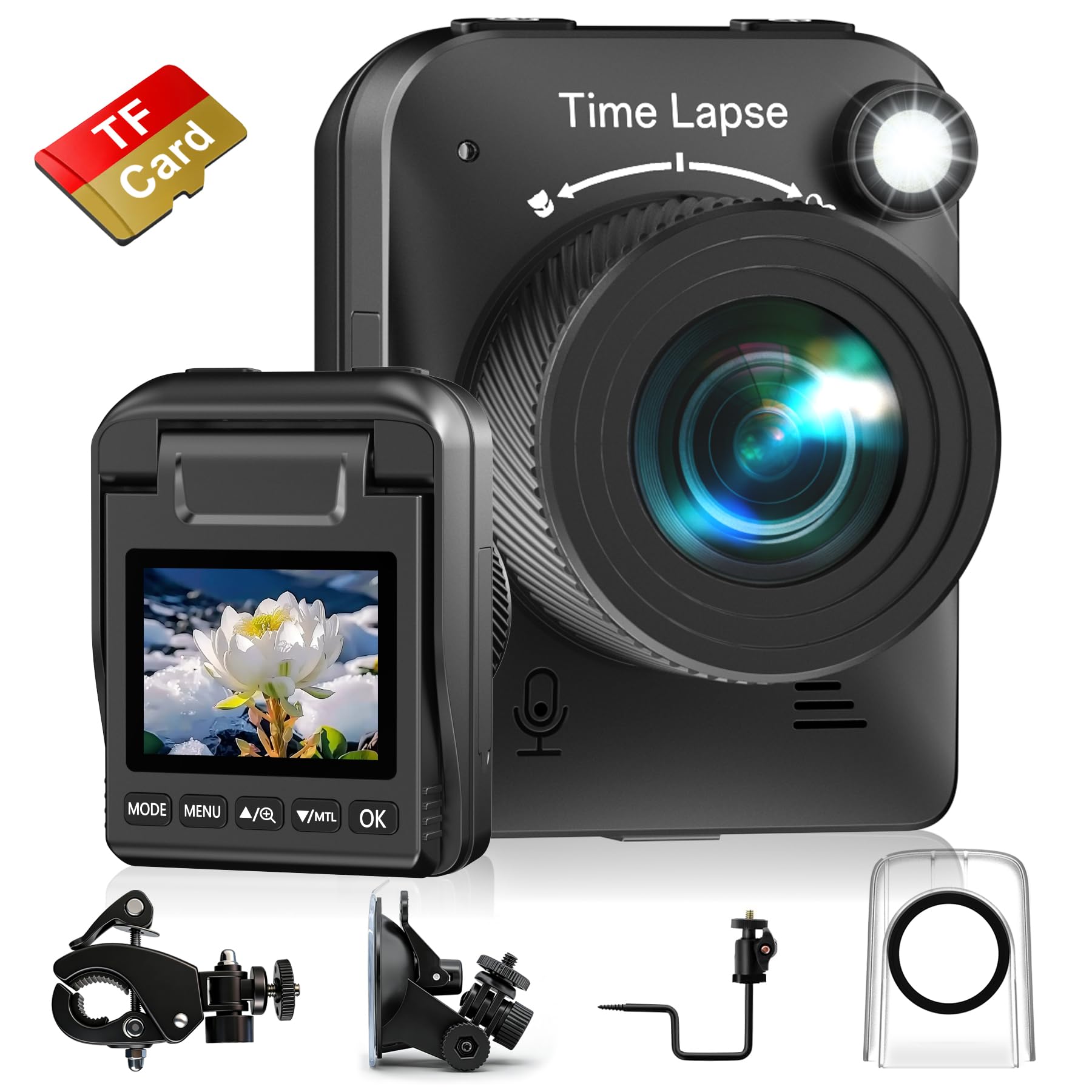

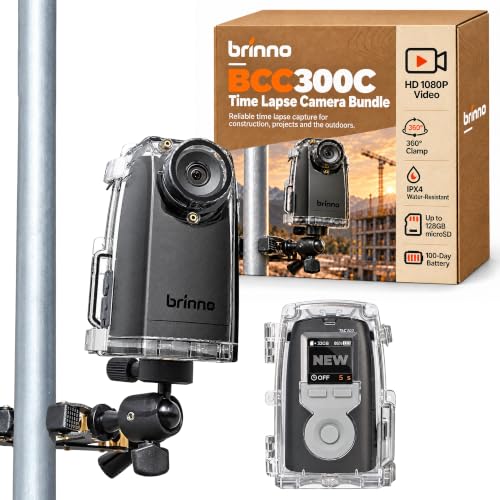



A Buyer Checklist: The Criteria That Matter
Features That Matter for Construction Sites
Start with an honest limit. Stated plainly, a camera records the site; it prevents no theft and stops no vandalism by itself. Its value is evidence after an incident, a progress record for clients and the ability to check conditions without travelling. That is why coverage of gates, material stores and access roads outranks picture polish.
Readers focused on the security role can compare options in our guide to the best security cameras for construction site use.
Power and Signal for Remote Positions
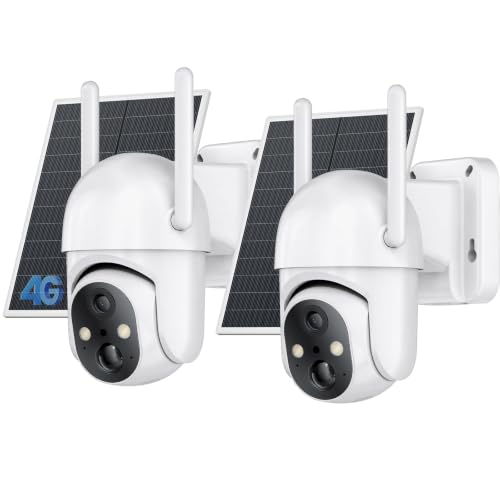
Power and signal govern whether a remote camera is still working in month three. Mains power is best where it exists, but many positions have neither power nor wifi. Solar panels paired with a battery pack and a cellular link are the off grid class of setup, and they suit gates, compounds and early stage plots. Check the panel size against winter daylight, not summer, and confirm cellular coverage at the exact pole before you commit.
Sensor Size and Image Quality
A site camera works at the edges of the day, when light is poor and activity is most worth recording. A sensor that holds detail at dawn and dusk is worth more than a long list of daytime megapixels. At gate distances, what matters is whether a face, a registration plate or a delivery label can be read in the recording. Judge sample footage at night and at your real mounting distance, not the polished daylight clips in adverts.
Ease of Use and Remote Access
One manager often looks after several sites, so the camera has to run itself. Look for an app that shows every site in one list, motion alerts that can be tuned so machinery does not trigger them all day, and footage that can be searched by time rather than scrolled. Clear menus matter because the person fitting the camera may be a contractor on a ladder, not a technician.
Video and Time Lapse Capabilities
Video covers security and incidents, but time lapse is the feature project teams use most. A good time lapse mode takes a frame at a set interval, from seconds to hours, and stitches months of work into a short progress film for clients. Check that intervals are adjustable and that the camera keeps its clock and framing through power cuts. Our guide to the best time lapse cameras for construction sites compares interval and storage options in detail.
Durability and Weather Sealing
Outdoor life is the whole job, so read the sealing rating before anything cosmetic. A rating such as IP65 or IP66 means the housing is sealed against dust and driving rain, and an operating range that covers your winter lows keeps the camera alive through the coldest month. Metal housings shrug off knocks that crack plastic, and protected cable entries stop water creeping in along the wire. Dust will still coat the lens, so plan a cleaning visit into the schedule.
What Each Price Band Buys
Entry Band for Small Sites
Cameras at about $100 to $250 cover one gate or one compound with a fixed view and basic night pictures. Expect battery or simple wired power, app viewing and recordings stored on a memory card. This band suits short projects and single entrance coverage. Its limits show up as narrower views, weaker night detail and housings that dislike long winters.
Middle Band for Active Projects
At about $250 to $600 you gain stronger night pictures, wider coverage, better sealing and solar or cellular options for plots without services. This is the band most working sites choose, and it is where time lapse modes become dependable rather than a novelty. Shoppers comparing the broader field can also browse our guide to the best construction cameras before narrowing down.
Top Band for Large or Remote Sites
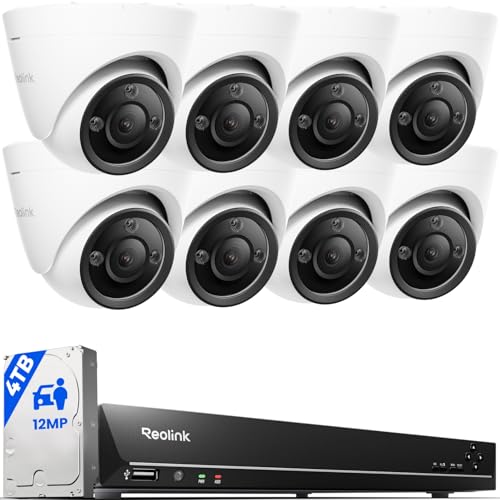
At about $600 to $1,500 and above, cameras add pan tilt zoom coverage of large yards, long range night lighting and housings built for years outdoors. Multi camera systems with a central recorder also live in this band. The extra money buys coverage and endurance, not magic: placement and power still decide the results. Large sites often mix one top band camera at the gate with middle band units elsewhere.
Quick Buyer Checklist
Run through these questions before you order.
- Does the housing carry a sealing rating of IP65 or higher?
- Can the position be powered through winter, by mains, battery or solar?
- Is there confirmed wifi or cellular signal at the mounting point?
- Does the storage cover the whole project, locally or in the cloud?
- Can footage be searched by date and time without removing the camera?
- Does the time lapse interval adjust from seconds to hours?
- Is the mount high enough to resist tampering but reachable for cleaning?
Red Flags to Watch For
Weak site cameras share recognisable warning signs. Any one of these should slow a purchase down.
- Weather claims with no IP rating stated, which usually means the sealing was never tested.
- Battery life quoted in days with no season or temperature mentioned, since cold weeks can halve it.
- Footage stored only in a paid cloud plan, with no memory card option if the signal drops.
- No operating temperature range in the spec sheet, a bad sign for outdoor equipment.
- A warranty shorter than a year on a camera sold for permanent outdoor mounting.
Choosing Cameras for Your Situation
Whatever you choose, tell the crew it is there. Worker notice and clear signs govern the site rules for filming: cameras should cover gates, stores and work areas, never welfare cabins or rest areas, and it is worth checking local privacy rules before the first mount goes up. A signed, visible setup also strengthens the value of footage if an incident is ever disputed.
Best Outdoor Monitoring Cameras for Construction Sites
Outdoor monitoring is the broadest site role: a standing watch over yards, scaffolds and stored materials through all weathers. Give this role the toughest housing you can afford, a wide view that covers the yard in one frame, and power that survives the darkest month. Solar assistance and a cellular link free the camera from site services entirely, which suits compounds that move as the project grows.
Setup and Care Tips
Mount the camera high enough to resist casual tampering but low enough to reach with a short ladder for cleaning. Wipe the lens with a lens cloth, not a shirt or glove, because grit scratches coatings. Carry a spare battery for portable units, store cameras in a dry, padded bag between projects, and check seals and mounts at the start of each new site.
Cameras: Your Questions Answered
What features matter most in cameras for construction sites?
Sealing, power and coverage matter most, in that order. A camera that fails in the first storm records nothing, so an IP65 or higher rating and a power plan for winter come before picture features. After that, judge the view: one well placed wide camera usually beats two narrow ones. A point worth adding is mounting height, since a camera at about 10 to 13 feet balances detail against tampering.
What camera specs matter most for beginners on a first site?
Beginners should read the sealing rating, the night picture range and the storage method first. Those three decide whether the camera survives, sees after dark and keeps its footage. Ignore headline megapixels until those are settled. Also check the app before buying if you can, because a confusing app is the spec that decides whether anyone actually reviews the footage.
How much should a small builder spend on a first construction site camera?
About $250 to $600 buys the dependable middle ground for a first unit: real weather sealing, solar or cellular options and usable night pictures. Spending less can work for a short, single gate project, but the camera may not survive a second winter. Budget for the mount, a memory card and any data plan as well, since those extras decide the true first year cost.
Is a smartphone enough instead of a construction site camera?
No, a smartphone cannot do this job for more than a single afternoon. It has no weather sealing for months outdoors, no practical way to stay powered and mounted, and no time lapse routine that runs itself for a season. A phone is still useful on site for close photos of details and defects, which is a different task from standing watch.
Which camera type is better for low light on a construction site?
A camera built with a larger sensor and proper night lighting is better for low light, because site activity worth recording often happens at dawn, dusk or under floodlights. Infrared lighting built into the housing extends the useful range without visible glare. Whichever type you choose, test the recording at the real gate distance, since night range figures are often measured in ideal open ground.
Wrapping Up
Judge every candidate by sealing, power and coverage, and a site camera choice becomes straightforward. Match the band to the size of the project, place the camera where the evidence will be, and the best cameras for construction sites for your firm will be the ones still working at handover. Compare your finalists in the product table above before you order. Start with one well chosen unit and expand once the routine is proven.


