
Best Cameras for Concerts 2026: What Actually Matters Before You Buy
Disclosure: We may earn a commission when you buy through links on this page, at no extra cost to you. As an Amazon Associate I earn from qualifying purchases. Learn more

Use this checklist for the best cameras for concerts, covering venue rules, low light strength, zoom reach, video, battery life and the red flags to avoid.
Shopping for a show camera is easier when you judge every option against the same checklist, instead of reacting to one impressive spec at a time. The best cameras for concerts for you must first pass the venue door, then handle darkness, distance and noise, and finally fit the way you like to shoot and share. A camera that fails any one of those tests will disappoint you on the night, even if it looks strong in a shop display.
This guide turns that idea into a practical checklist for comparing bodies and lenses. It covers the specs that truly change concert results, the warning signs of a weak choice, and spending levels for different showgoers. Use the comparison table below to shortlist systems, then keep only options that pass every relevant item.


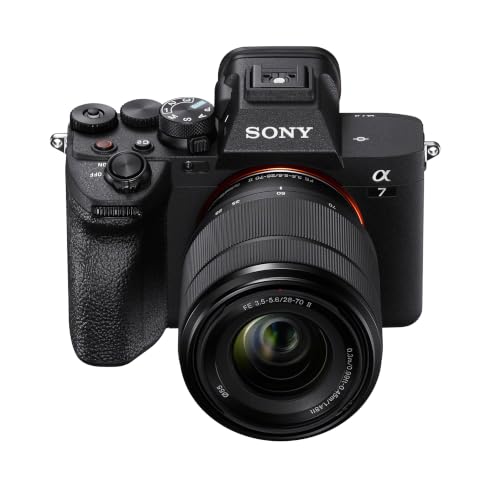

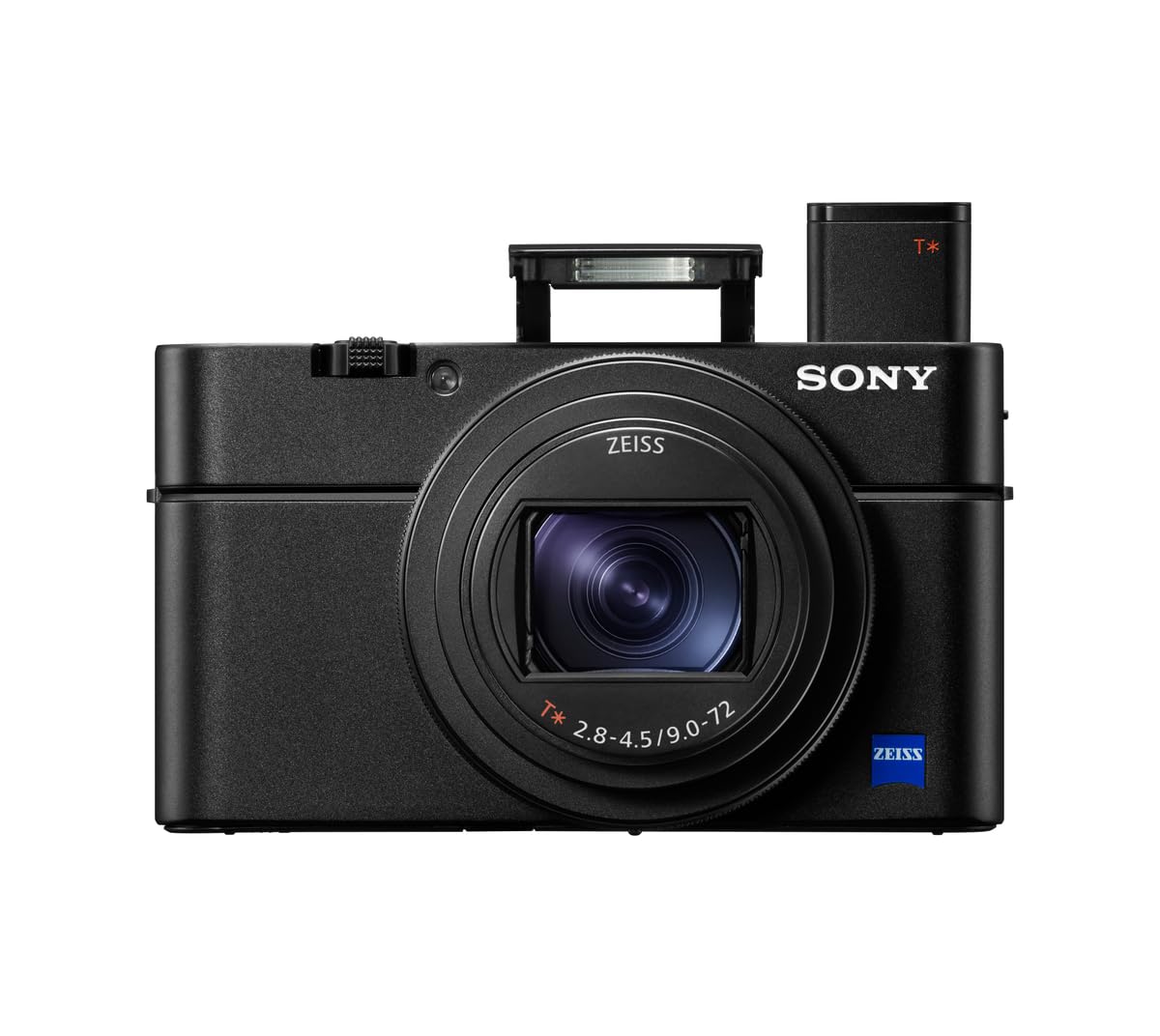
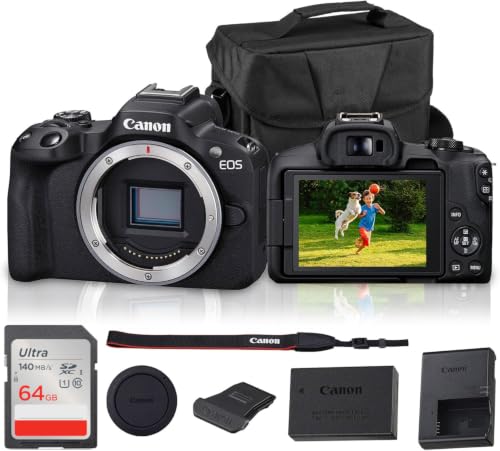


A Practical Checklist for Judging Concert Cameras
Use these criteria in order, because a camera that cannot enter the venue or cannot focus in the dark is not rescued by a good video mode or a large screen. Score each candidate honestly, and give extra weight to the criteria that match your usual seat and shooting style.
What Concert Shooting Demands From a Camera
Live shows ask a camera to do several hard things at once, so start with overall demands before individual specs. It must expose correctly when a singer steps from darkness into a spotlight, focus on a moving subject in low light, and keep shooting through a long set without filling its buffer. It must also stay small enough for the venue and produce files you can print, post or edit. If a candidate struggles with two or more demands, it is a poor fit no matter how attractive its price looks.
Sensor Size in Dim Rooms
Sensor size shapes how clean your images look when the lights drop, and it shapes the size and price of the whole system. Larger sensors tend to record less grain at high sensitivity, which matters when you need a fast shutter speed to freeze a performer. Smaller sensors keep bodies and lenses lighter and cheaper, but they demand brighter lenses for a similar result. Judge sample photos from dark rooms, not bright studios, and remember that heavy crops reveal noise faster.
Reach for Distant Stages
Reach matters most from a far seat, but it is often misunderstood. Optical zoom uses the lens itself to bring the subject closer, while digital zoom simply crops the image and loses detail. Check the maximum aperture at the long end of a zoom, because many lenses grow much slower as you zoom in, and a slow long end will struggle in a dark arena. Weigh reach against brightness for your usual venue, since a bright fixed lens is sharper in low light but locks you into the framing your seat gives you.
Built to Handle Crowds and Weather
Concerts take place in crowded halls, muddy fields and rainy festival sites, so build quality belongs on your checklist. Weather sealing helps in rain, but it only works fully when the lens is sealed too, so check both parts of the system. A sturdy grip matters when you move through a crowd, and simple controls help when your hands are cold or damp.
Keeping Moving Performers Sharp
Sharpness at a concert depends on focus speed, tracking and stabilization working together. A camera that locks onto a face and follows it across the stage will save shots that a slower system would blur. Stabilization in the body, in the lens or in both helps handheld shooting at slower speeds and with longer lenses, and it smooths video too. Watch for focus hunting when lights flash or a performer passes behind another person, because those moments reveal whether the system recovers quickly or loses the subject.
Video Strength for Live Sets
Video has its own checklist, and a camera that takes fine stills may still disappoint as a video tool. Look for steady handheld footage, clean sound handling and a tilting screen for high or low angles. Check whether it can record a full song without stopping and how large its files become, since long sets fill cards quickly. A microphone input gives more control over sound, but venue rules on recording vary, so confirm what the venue permits before you film.
Carrying Comfort Through a Long Show
Comfort is easy to ignore in a shop and impossible to ignore during a three hour show. A body that feels fine for ten minutes can tire your wrist and neck with a long lens for an entire evening. Check balance with the lens you plan to use, grip comfort, and whether the strap distributes weight well. Also consider bag size, because a system that fits the venue bag limit is far more useful than a larger system you leave behind.
Still photographers who want a portfolio focused approach should also read our guide to the best cameras for concert photography, which frames the choice around shooting routines. For a general stills comparison, see our guide to the best digital cameras, and for moving image work at shows, our guide to the best video cameras for concerts covers video led systems in more depth.
Spending Levels That Suit Different Showgoers
Price bands are more useful than a ranked list, because they let you match spending to how often you shoot and how demanding your venues are. The bands below describe what you can reasonably expect at each level, not specific products.
A Sensible Starting Level
At a starting level of about $400 to $900 for a body and lens, look for a bright starter lens, dependable autofocus in moderate light and a simple control layout you can learn quickly. You may give up the longest reach and the cleanest very high sensitivity files, but you can still capture strong memories from close or well lit seats. Spend leftover budget on a spare battery, a fast card and a padded bag.
A Strong Middle Level
At a middle level of about $900 to $1,800, expect a larger sensor or a brighter zoom, faster tracking and better video stabilization than at the starting level. This band suits regular showgoers who want reliable results from mid distance seats as well as close ones. You still need to choose between reach and brightness, so prioritize the tradeoff that matches your usual seat.
A High Level for Frequent Shooters
At a high level above about $1,800, you pay for the cleanest low light files, the fastest tracking, robust sealing and long battery life. This level suits people who shoot often, print large, or work in dark clubs and large arenas. Even here, venue rules limit what you can carry, so confirm bag and lens limits before you commit to a large setup.
Quick Buyer Checklist
- Does the venue allow this camera and lens, and does it fit the bag limit?
- Can the autofocus track a moving performer in low light without hunting?
- Is the lens bright enough at the focal length you will actually use?
- Can you shoot a full set on one battery, or do you have a spare ready?
- Does the camera record video long enough for a full song without stopping?
- Is the total system, with cards, batteries and a bag, within your budget?
- Can you operate the main controls by feel in the dark?
- Does the warranty cover the kind of use you plan, and can you return it if it disappoints?
Red Flags to Watch For
Weak concert cameras often hide behind vague specs and bold marketing claims. Watch for a zoom range quoted without a maximum aperture, because that omission usually hides a slow long end. Watch for a very short warranty, unclear sensor details or sample images that only show bright daylight scenes.
Be wary of claims that promise perfect low light results with no tradeoff, and of sellers who cannot confirm whether a body is new, what is included in the box or how returns work. If a key spec is missing, treat that gap as a warning and compare a more transparent option.
Best Cameras for Specific Needs
Some shoppers need a narrower answer, such as a pocketable body for travel or a camera that fits a particular shooting habit. The sections below cover those needs in general terms.
Best Compact Cameras for Concerts: What to Check
The phrase best compact cameras for concerts points to small bodies that slip into a jacket pocket and pass stricter venue limits. Check lens brightness first, because a small sensor needs all the light it can get, then check autofocus speed and battery life. Accept that a compact body will rarely match a larger system from a distant seat, and choose it when portability and venue access matter more than maximum reach.
Best Small Cameras for Concerts: What to Check
The phrase best small cameras for concerts often describes a small interchangeable lens body rather than a fixed lens pocket camera. Check which lenses are available, how the body balances with a bright lens attached, and whether the smaller grip feels secure during a long set. A small body with the right lens can be a strong concert tool, but only if you budget for that lens and a spare battery from the start.
Setup and Care Tips
Prepare before the show, not during the first song. Charge all batteries, format cards in the camera, set your starting sensitivity and shutter speed, and pack a lens cloth in an accessible pocket. Use a lens cloth, not your shirt, to clean the lens, carry a spare battery for long sets, and store the camera in a dry, padded bag between events. Follow maker guidance for battery care, and follow venue rules on flash, tripods and recording, since breaking those rules can end your night early.
FAQs
Can you bring a camera into a concert venue?
It depends on the venue, the artist and the ticket terms, so always check before you travel. Many venues allow small cameras and phones but ban interchangeable lens bodies, long lenses, flash and tripods, while others allow larger gear only with a press pass. Read the venue page, check your ticket terms and contact the venue if the rules are unclear.
What battery and memory setup works for a full concert?
A full concert setup starts with one fully charged battery in the camera, one spare in your pocket and a fast card with room for both stills and video. Cold outdoor air and heavy video use drain power faster than casual shooting. Keep the spare in an inside pocket so cold air does not drain it before you need it.
Should you use flash at a concert?
No, you should not use flash at a concert unless the venue and the artist explicitly allow it, which is rare. Flash distracts performers and nearby fans, flattens the stage lighting that makes concert photos interesting, and rarely reaches far enough to help from a normal seat. Instead, raise sensitivity, use a bright lens and brace the camera steadily, because those tools work with the stage light rather than against it.
How do you shoot from a far seat without losing quality?
From a far seat, prioritize a bright lens with useful optical reach, steady holding technique and realistic expectations about cropping. Brace your elbows, use stabilization, and shoot at the fastest shutter speed that still gives a clean exposure, because distance magnifies camera shake. Avoid heavy digital zoom, which only crops the file and reveals noise, and accept that some distant shots will suit social sharing better than large prints.
What should you check before buying a used concert camera?
Before buying a used concert camera, check the shutter count, sensor condition, battery health and warranty or return terms, and test autofocus in low light if you can. Ask for sample images taken in dark rooms, inspect the lens mount and card slot for wear, and confirm that all caps, chargers and straps are included. A used body can be excellent value, but a worn shutter or a tired battery can erase the saving quickly.
The Bottom Line
Work through the checklist in order, starting with venue rules, then low light strength, focus, reach and comfort, and only then compare prices. The best cameras for concerts for you are the ones that pass every test that matters for your usual seat and shooting style, without forcing you to carry gear the venue will reject. Check the product table above, add up the full system cost with batteries and cards, and choose the setup you will actually bring to the next show.

