Best Cameras for Cinematic Look in 2026: Which Type Is Right for You?
Disclosure: We may earn a commission when you buy through links on this page, at no extra cost to you. As an Amazon Associate I earn from qualifying purchases. Learn more

Compare cameras for a cinematic look by sensor size, frame rate, color profile, lenses and audio, with type comparisons and a clear buying checklist.
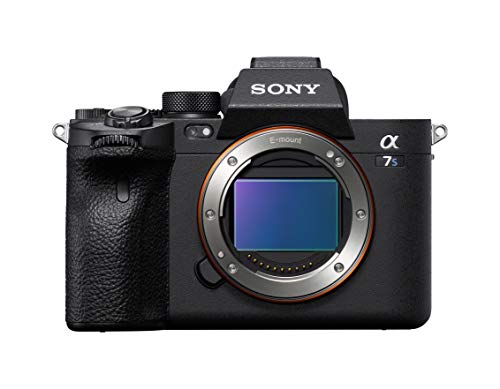
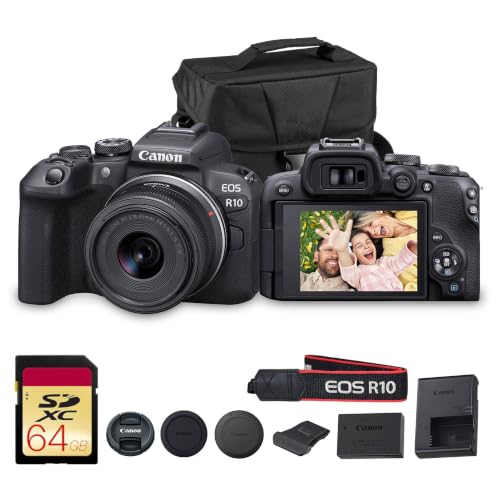
A cinematic image rarely comes from resolution alone. Soft background blur, gentle highlight roll off, natural motion and color you can shape in editing all work together, and the best cameras for cinematic look give you control over those parts. Use the comparison table below to see how the main types differ.
This guide compares camera types rather than naming models. You will learn which body suits narrative work, client video or solo travel, which video features change the image, and where a simpler camera reaches its limit.



Who Should Buy a Camera for a Cinematic Look?
Your shooting pattern decides the right type more than any single spec does.
Narrative and Short Film Creators
You work from a script, light each scene and often use a tripod, so manual focus control and a flat color profile matter more than speed. Choose an interchangeable lens body with strong dynamic range and a headphone jack for checking dialogue. A larger rig suits you because the camera stays in one place for most takes.
Wedding and Music Video Videographers
You get one chance at key moments and move between bright windows and dim rooms. Choose reliable autofocus, good low light performance and two card slots if your work is paid and cannot be repeated. You also need a body that pairs well with a compact gimbal for walking shots.
Hybrid Creators Who Shoot Stills and Video
You may shoot portraits one day and film a short story the next, so one body has to serve both jobs well. If stills remain half your work, see our guide to the best cameras for photography alongside this one. For your video side, favor clean 4K video, a tilting screen and lenses that cover both portraits and wide scenes.
Key Features to Compare
Compare these six factors in order, because the first three shape the image most.
How Sensors Shape Depth and Shadow Detail
Sensor size affects depth of field, low light noise and lens choice. A full frame sensor gives shallower background blur at a given aperture and usually holds cleaner shadows than a small sensor. APS C bodies sit in the middle, with a wide lens range and lower cost. Dynamic range matters just as much, since more range keeps detail in bright skies and dark faces in the same frame.
Frame Rates, Resolution and Motion
Most film style work uses 24 frames per second, because that rate gives the familiar motion blur viewers expect from cinema. A camera should record true 24 frames per second, not only 30, and offer 4K recording for detail and room to crop. Higher rates such as 60 or 120 frames per second let you slow action smoothly in editing, but they are an extra, not the base setting for dialogue.
Color Profiles, Log Recording and Bit Depth
A flat log profile records more highlight and shadow information by lowering contrast in the original file, which gives you more freedom when you grade color later. Look for 10 bit recording if you plan serious grading, since it stores far more color steps than 8 bit and reduces banding in skies. If you prefer finished color straight from the camera, choose a body with pleasing standard profiles.
Lenses, Aperture and Focus Control
Lenses create much of the cinematic feel. A fast prime lens at about f1.4 to f2.8 separates your subject from the background, while a zoom lens with optical zoom covers events where you cannot move. Check that manual focus feels smooth and repeatable for planned shots, and note focus breathing, where framing shifts slightly as focus changes.
Image Stabilization and Autofocus for Video
Image stabilization inside the body smooths small hand movements and helps handheld scenes look deliberate rather than shaky. It cannot replace a tripod for locked shots or a gimbal for long walks. Video autofocus should track a face without hunting, and you should be able to set its speed so a focus shift looks calm. For scripted scenes, many creators still prefer manual focus.
Audio Inputs, Monitoring and Recording Limits
Picture quality alone will not save weak sound. A microphone input lets you use an external microphone close to your subject, and a headphone jack lets you hear hum, wind or clipping while you record. Also check heat limits and maximum clip length in 4K, card speed needs and battery life. A camera that stops mid scene needs spares and a backup plan.
Types of Cameras for a Cinematic Look Compared
When you shop for the best cameras for cinematic look, start with body type, because type sets your lens options, rig size and upgrade path. Action cameras can add a tough second angle, but their small sensors limit background blur, so treat them as support cameras.
Why Mirrorless Bodies Lead for Film Style Video
Mirrorless bodies are the most flexible choice for most buyers. They combine strong video features, a deep lens range and a size you can use on a tripod, a gimbal or handheld. Prices range from about $800 to $2,500 for bodies aimed at serious video. For a wider view of formats, see our guide to the best digital cameras.
Dedicated Cinema Cameras
Cinema bodies trade stills features for video tools such as built in neutral density filters, larger cooling and ports for timecode and professional audio. They suit crews and longer shoots that rent lenses and support gear. Bodies often cost about $2,500 to $6,000 before lenses. For projects where motion work is the whole job, see our guide to the best cameras for cinematic video.
Premium Compact Cameras
A premium point and shoot compact gives you a fixed zoom lens, simple controls and a body that fits a jacket pocket. Better models offer 4K video, a 1 inch sensor and a flat profile, which can look film like in good light. Expect to pay about $700 to $1,300. The trade off is fixed glass, weaker low light results and fewer audio options.
Common Mistakes to Avoid
These errors cost money without improving your footage.
- Buying for maximum resolution alone leaves you with sharp footage that still lacks the motion, color and depth you wanted.
- Shooting every scene at a wide open aperture makes focus miss moving subjects and wastes your sharpest lens range.
- Recording in a log profile without learning to grade it leaves footage flat, gray and harder to finish.
- Ignoring audio gear makes polished images play beside echoing dialogue that viewers notice within seconds.
- Choosing a tiny body for long handheld shoots causes heat limits, short battery life and shaky framing.
- Spending your whole budget on the body leaves nothing for a lens, light or microphone that would improve results more.
Care and Maintenance Tips for Video Cameras
Clean the front lens element with a soft lens cloth, not your shirt, since grit in fabric can scratch coatings. Blow loose dust off first, and leave sensor cleaning to a service center if spots remain after a gentle blower pass.
Carry a spare battery and an extra card on every shoot, and store the camera in a dry, padded bag away from heat. Format cards in the camera after you have copied and checked your files, and keep contacts dry.
Frequently Asked Questions
What features matter most in a camera for a cinematic look on a two camera shoot?
Matching color and dynamic range between both bodies matters most, because mismatched footage takes hours to correct. Set the same frame rate, white balance and profile on each camera, then record a gray card at the start of each scene. That reference gives your editor a shared starting point and reveals a dirty lens or wrong exposure early.
What camera specs matter most for beginners choosing a cinematic look?
True 24 frames per second recording, a microphone input and a screen you can see outdoors matter most for a beginner. Start with one versatile zoom lens and shoot short practice scenes, reviewing focus and exposure after each one. That habit shows whether you enjoy grading before you pay for advanced color features.
Which camera type handles low light best for a cinematic look?
A full frame mirrorless or cinema camera usually handles low light best because its larger sensor gathers more light per pixel. Lens speed counts too, so an f1.8 prime on a smaller sensor can beat a slow kit zoom on a larger body. Raise the ISO in steps at home and note where skin looks waxy, since that sets your practical ceiling.
How much should you spend on a first camera for a cinematic look?
Plan on about $800 to $1,500 for a capable first body and lens kit, then reserve part of the budget for sound and light. A basic microphone, a small LED panel and a sturdy tripod often lift modest footage more than a costlier body alone. Buy used only if you can return the camera after testing video.
Is a smartphone enough instead of a dedicated camera for a cinematic look?
A recent smartphone is enough for learning framing, short online clips and scenes in bright, even light. Its small sensor and heavy processing limit shallow depth of field and clean shadow detail. Use a video app that locks frame rate, shutter speed and white balance so exposure does not shift mid shot, then move to a dedicated body when those limits block your ideas.
Do you need a full frame camera for a cinematic look?
No, you do not need full frame, because lighting, lens choice and camera placement shape the result more than sensor size alone. APS C and Micro Four Thirds bodies have shot polished films for years. Place your subject farther from the background and light the face from the side, and a smaller sensor can still give pleasing separation and mood.
The Bottom Line
Put dynamic range, true 24 frame recording and lens choice ahead of headline resolution. Then match the type to your work, mirrorless for flexibility, cinema bodies for crew based shoots and premium compacts for travel light filming.
Compare sizes, lens costs and video features in the product table above, and choose the system you will enjoy learning. With the right body and a little practice, the best cameras for cinematic look help your stories feel calm, deliberate and close to film.