
Best Cameras for Chicken Coop for 2026: A Practical Buying Guide
Disclosure: We may earn a commission when you buy through links on this page, at no extra cost to you. As an Amazon Associate I earn from qualifying purchases. Learn more
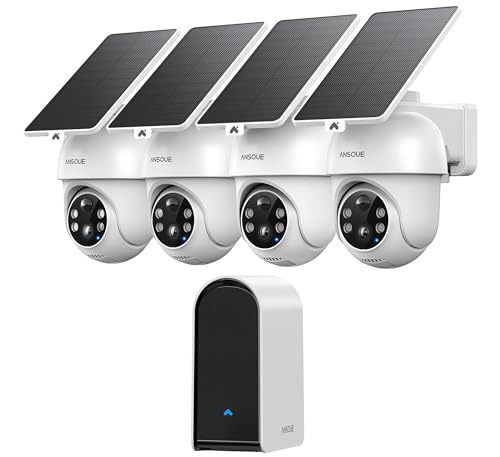
Compare power, night vision and alerts to choose the best cameras for chicken coop use in rain, dust and dark.
A camera at the coop pays off when it shows what you need to see: birds going in at dusk, the door latched, feed and water levels, and any visitor near the run after dark. The best cameras for chicken coop setups are weatherproof, easy to mount near the roofline, and clear in low light, with an app that sends alerts to your phone. This guide explains how to match a camera to your coop, your yard, and your Wi-Fi signal.
Start with the job. A camera that watches the door needs a different view from one that covers a large run, and a camera inside a dusty coop needs different protection from one under an open eave. The product table above shows the main options, and the sections below explain what each choice means in daily use.
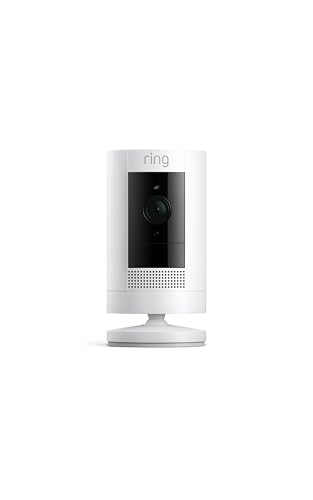


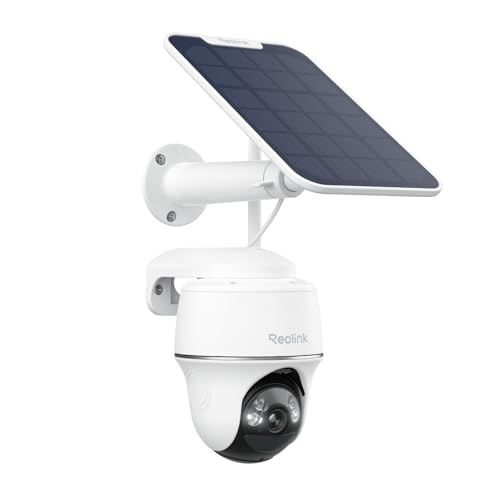


Who Should Buy Which Camera for a Chicken Coop?
Backyard Keepers With a Few Hens
If the coop sits close to the house, a small Wi-Fi camera with a wide view is usually enough. You want a live view when you wake up, a quick check that the door closed at night, and a motion alert if something moves near the run. A plug in model works if an outlet is near. Otherwise choose a battery model that you can recharge every few weeks.
Keepers Whose Coop Is Far From the House
A coop at the back of a large lot often sits beyond Wi-Fi range. Solar powered models, cameras with a cellular connection, or a Wi-Fi extender placed halfway to the coop solve the range problem. Check the signal at the exact mounting spot with your phone before you drill anything, because a weak connection makes clips stutter and alerts arrive late.
Keepers Worried About Predators
Raccoons, foxes, hawks and neighborhood dogs usually visit at night, so night vision range and quick alerts matter most. Look for a camera with infrared lights or a built in spotlight, a wide view that covers the run and the door in one frame, and a siren or two way audio that can startle an animal away. A camera records and warns you, but it cannot replace a strong latch and sturdy wire.
Key Features to Compare in the Best Cameras for Chicken Coop Buyers
Features That Matter for a Chicken Coop
When you compare the best cameras for chicken coop use, remember that a coop mixes dust, moisture, dim light and constant movement, so the features worth paying for are practical ones. Dust from bedding settles on a lens, which means a lens that wipes clean easily and a housing that keeps dust out of the seals matter more than a fancy menu. Moisture from rain and morning dew calls for real weather resistance. Dim light inside the coop calls for a sensor that gathers light well rather than a high megapixel claim.
Weather Resistance and Durability
Look for an outdoor rating such as IP65 or higher, which means the housing is sealed against dust and driving rain. Check the stated operating range for cold winters and hot summers, because batteries and plastic parts suffer at both ends. Mount the camera out of pecking and roosting reach, angle it slightly downward so rain runs off, and keep cables off the ground where rodents can chew them.
Night Vision and Low Light Performance
Infrared night vision gives a black and white picture that works in total darkness. Color night vision needs a little ambient light or a built in spotlight. Check how far the night view reaches, because the figure on the box is measured in open ground and your coop door may sit at an awkward angle. Infrared lights also attract insects, which can cause false alerts, so a camera with adjustable motion zones helps.
Power: Plug In, Battery or Solar
Plug in cameras are the most reliable if an outdoor outlet is nearby. Battery cameras are easy to place but need a recharge every few weeks, and cold weather shortens that interval. Solar panels keep a battery topped up in sunny places, but a shaded coop under trees may not get enough light. Whichever you choose, keep a spare battery indoors so a swap takes a minute.
Motion Alerts and Smart Detection
Wind, leaves and chickens themselves can trigger endless alerts. Cameras with person and animal detection, or with motion zones you can draw on the screen, cut the noise so the alerts you receive are worth opening. A quiet hours schedule helps you sleep while still recording clips for the morning.
Storage and Subscription Costs
Some cameras save clips on a memory card inside the camera, and others rely on a paid cloud plan. A card works even when the internet drops, which is useful at a remote coop. Check what features need a subscription before you buy, since a low sticker price can hide a monthly fee.
Field of View and Mounting
A wide lens of about 110 to 130 degrees covers the door and the run from one corner. A camera that pans and tilts covers more ground but can miss action while it faces the other way. Mount at about seven to nine feet, high enough to avoid pecking and low enough to reach for cleaning.
Types of Cameras for Chicken Coop Use
Battery and Solar Wi-Fi Cameras
These are the easiest to install, since there is no cable to run. They suit coops without power and renters who cannot drill. The trade off is a battery routine, and a solar panel needs a sunny spot.
Wired and Plug In Cameras
Plugged in models record without battery worry and often offer steadier video. They suit coops near a house or a garage outlet. Run the cable inside a conduit or a protective sleeve so weather and animals cannot damage it.
Cellular Cameras for Remote Coops
If there is no Wi-Fi at all, a camera with a cellular connection sends clips over a mobile network. Check the data plan and coverage at the coop, and plan for solar power.
Pan and Tilt Cameras
A pan and tilt camera can sweep the whole run on command and follow a moving animal. It costs more and uses more power, but it can replace two fixed cameras in a large yard.
Setup and Care Tips
- Wipe the lens with a soft lens cloth, not your shirt, so grit does not scratch the coating.
- Check the mount and cable every month, because wind and curious birds loosen things over time.
- Keep the camera and any cord out of chewing and pecking reach.
- Clean dust and cobwebs from around the infrared lights to avoid glare at night.
- Update the app and camera firmware over a stable connection.
Frequently Asked Questions
What features matter most in cameras for a chicken coop?
Weather resistance, night vision and a view wide enough to cover the door and run matter most. After that comes the power plan, because a camera that needs frequent recharging gets checked less often. Resolution matters least on its own, since a clean image in the dark beats a sharp image that fails at dusk.
How much should I spend on my first coop camera?
A reliable outdoor camera often costs about $40 to $150, and cellular or solar kits cost more. Spending more makes sense when the coop is far from the house or when you need to identify night visitors. Keep a little budget for a memory card and a mounting bracket.
Which camera is better for low light at the coop?
A camera with a larger sensor, strong infrared lights or a built in spotlight performs best. Check how far the night view reaches at the real distance of your coop door, and place the camera so lights do not shine into reflective surfaces such as the run wire.
Can I use a smartphone instead of a coop camera?
A phone works for a quick look, but it cannot stay outdoors, record around the clock, or run for weeks on a charge. A dedicated weatherproof camera records continuously and sends alerts while you are away.
Will a camera keep predators away?
A camera records and warns you, but it does not protect birds by itself. Pair it with a secure latch, buried wire and a closed coop at dusk. A siren or spotlight on some models can scare an animal away, but treat that as a bonus.
The Bottom Line
Choose for the view you need, the light you have and the weather it must survive. A mid priced weatherproof camera with honest night vision and a power plan that fits your yard will serve most keepers better than a costly model with features you never use. Mount it with care, keep the lens clean and check the view at dusk. The best cameras for chicken coop choice is the one you can trust in rain, in the dark and on cold mornings, so compare the picks in the product table above before you decide.


