
Best Cameras for Casual Photography for 2026: A Simple Buyer Checklist
Disclosure: We may earn a commission when you buy through links on this page, at no extra cost to you. As an Amazon Associate I earn from qualifying purchases. Learn more

A simple checklist for the best cameras for casual photography, covering sensor size, ease of use, zoom range and battery life.
Choosing a camera for everyday photos should feel simple, yet spec sheets make it look complicated. This guide replaces the guesswork with a short checklist, so you can judge any model against the same clear standards. If you want the best cameras for casual photography for family days, travel, and hobbies, start with how you actually shoot, not with the longest feature list.
The checklist below covers the six checks that matter most, what each budget level realistically buys, and the warning signs of a weak deal. The comparison table below lines up the main camera types side by side, so you can match a style to your routine before reading the details.
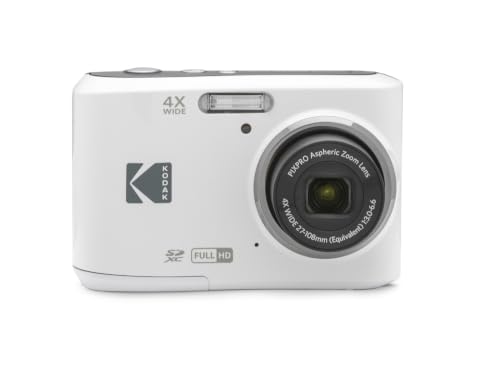


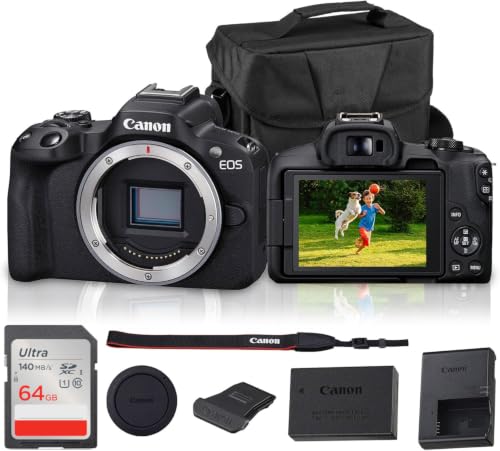


The Six Checks That Matter Most
Run every camera you consider through these six checks. A model that passes all six will serve a casual shooter well for years, even if it is not the newest release.
Features That Matter for Casual Photography
Casual photography rewards speed and forgiveness above raw power. Look for fast startup, autofocus that locks onto faces without hunting, and auto exposure that handles mixed indoor and outdoor light. Image stabilization matters because most casual shots happen at arm length, at dusk, or indoors, and a tilting rear screen helps with group photos and low angles. If you want the wider picture first, see our guide to the best cameras for photography for the basics shared by every genre.
Sensor Size and Image Quality
Sensor size shapes image quality more than megapixel count does. A 1 inch sensor, common in premium compacts, gives clean photos in daylight and decent results indoors. APS C sensors, found in entry level mirrorless cameras, gather more light and blur backgrounds more easily. Full frame sensors sit at the top for low light quality, but the cameras and lenses grow larger and pricier, and for casual use 20 to 26 megapixels is plenty for prints and social sharing.
Ease of Use for Your Skill Level
The best camera for a relaxed shooter is one you will actually carry and use. Full auto and scene modes should produce good photos without menu diving, while a few manual controls let you grow later. Touchscreens speed up focus point selection, and a companion app that moves photos to your phone over WiFi removes the cable step entirely. New shooters comparing starter models can also see our guide to the best beginning photography cameras for beginner focused options.
Video Capabilities
Most casual cameras now record video alongside stills, and the details vary more than brochures suggest. 4K recording at 30 frames per second covers family events and travel clips well, while 60 frames per second smooths sports and pets. A screen that flips forward helps anyone who films themselves, and a microphone input matters only if you plan to record speech often. Reliable autofocus during video is worth more than exotic slow motion modes you may never open.
Lens and Zoom Range
Fixed lens compacts list zoom as a multiplier, such as 3x or 10x optical zoom, and optical zoom keeps full quality while digital zoom simply crops. Interchangeable lens cameras use focal lengths instead, and a kit lens covering about 24 to 70 mm in full frame terms handles portraits, groups, and scenery. A wide maximum aperture, shown as a low f number, helps indoors. Judge the range against your habits: school plays need reach, while street walks favor compact wide lenses.
Battery Life and Charging
Battery ratings are given in shots per charge, and casual cameras range from about 250 to over 500 shots. Mirrorless models with big screens sit at the lower end, so budget for a spare battery if you shoot all day events. USB C charging is a genuine convenience because the camera can top up from a phone charger or power bank. Cold weather drains batteries faster, which matters for winter trips and ski days.
What Each Budget Level Buys
The product table above shows how the main types compare. These three budget levels explain what your money adds at each step.
Starter Level: Pocketable and Simple
At about $200 to $400 you get compact cameras and the smallest mirrorless bodies with a kit lens. Expect a 1 inch or smaller sensor in compacts, simple auto modes, and modest zoom ranges. This level suits buyers who want better results than a phone without learning settings. Build quality is mostly plastic, weather sealing is rare, and low light photos show grain sooner, but daylight results are clean and colors are pleasing straight from the camera.
Mid Range: Room to Grow
At about $400 to $800, APS C mirrorless cameras dominate, with faster autofocus, better screens, and access to affordable extra lenses. This is where eye detection autofocus, 4K video, and USB C charging become standard rather than special. Most casual shooters who print photos or shoot indoors often land here. Buyers comparing the wider market can browse our guide to the best digital cameras to see how these mid range models sit among other styles.
Premium: Bigger Sensors, Better Glass
At about $800 to $1,500 you reach full frame entry models and premium fixed lens compacts. The gains are cleaner high ISO files, smoother background blur, faster burst shooting, and tougher bodies with some weather sealing. Lenses cost more at this level, so count the lens budget, not just the body price. This tier makes sense for hobbyists who shoot weekly and know exactly which limitation of a cheaper camera they want to remove.
Quick Buyer Checklist
Answer these questions before you order. Mostly yes answers mean the camera fits your routine.
- Can you carry this camera comfortably for a full day out?
- Does the autofocus track faces and pets without constant misses?
- Is the zoom range or kit lens wide enough for group photos indoors?
- Does the battery rating cover your longest typical shooting day?
- Can the camera send photos to your phone without a computer?
- Does the screen tilt for low angles or selfies?
- Does the total price, including a spare battery and card, fit your budget?
Red Flags to Watch For
- Huge megapixel claims on a tiny sensor, which usually means noisy images rather than sharper ones.
- Zoom advertised only as digital zoom, with no optical zoom figure listed anywhere.
- No stated battery rating in shots per charge, or a rating far below rivals at the same price.
- A warranty of only a few months on a camera that costs several hundred dollars.
- 4K video listed without any frame rate, which often hides a cropped or choppy mode.
Tips to Get the Most From Your Camera
Clean the lens with a microfiber lens cloth, not your shirt, because shirt fabric can drag grit across the coating. Carry a spare battery and a second memory card so a full card never ends a day out. Store the camera in a dry, padded bag away from direct heat. When testing a camera outdoors, never look at the sun through an optical viewfinder, and avoid pointing the lens at the sun for long periods.
Frequently Asked Questions
What features matter most in cameras for casual photography?
Fast and reliable autofocus matters most, because casual moments rarely wait for a second attempt. Face and eye detection, steady auto exposure, and image stabilization follow closely behind. A camera that starts quickly and focuses on faces without hunting will capture more keepers than a powerful model that feels slow. Sensor size and zoom range come next, since they decide how the camera copes with dim rooms and distant subjects.
What specs matter most for beginners buying a casual camera?
Beginners should prioritize a helpful auto mode, a clear touchscreen, and in body stabilization if the budget allows it. A sensor of at least 1 inch gives forgiving results when light drops, and a kit lens near 24 to 70 mm covers most subjects. Complicated spec sheets matter less than weight, because a light camera gets carried and used. The best cameras for casual beginners also charge over USB C, which simplifies travel.
Which camera type handles low light best for casual photos?
Cameras with larger sensors handle low light best, because each pixel gathers more light and produces less grain at high ISO settings. An APS C or full frame model with a fast lens, around f/1.8 to f/2.8, keeps shutter speeds usable in restaurants and evening gatherings. Stabilization helps with still subjects but cannot freeze moving people. Raising ISO is normal and expected, so judge sample galleries at ISO 3200 rather than daylight shots.
How much should I spend on my first casual camera?
Most first time buyers spend about $300 to $700 and get a camera that lasts for years. Below about $300, gains over a good phone shrink, while the $400 to $800 band adds larger sensors, faster autofocus, and lens choice. Reserve part of the budget for a spare battery, memory cards, and a padded case. Spending more mainly buys low light quality and speed, not better daylight photos.
Is a smartphone enough instead of a dedicated camera?
A smartphone is enough for well lit snapshots and instant sharing, and its computational processing hides many mistakes. A dedicated camera pulls ahead with real optical zoom, stronger low light results, faster burst shooting, and physical controls that work with gloves. Battery life also differs, since a camera never competes with your calls and messages. Many casual shooters keep both, using the phone daily and the camera for trips and events.
Final Thoughts
Judge every model by the same six checks: features that fit casual shooting, sensor size, ease of use, video, zoom range, and battery life. Match those checks to your budget level, then confirm your shortlist against the product table above. Chosen this way, the best cameras for casual photography for you will be the camera that fits your routine, not the one with the longest spec sheet.


